
Introduction
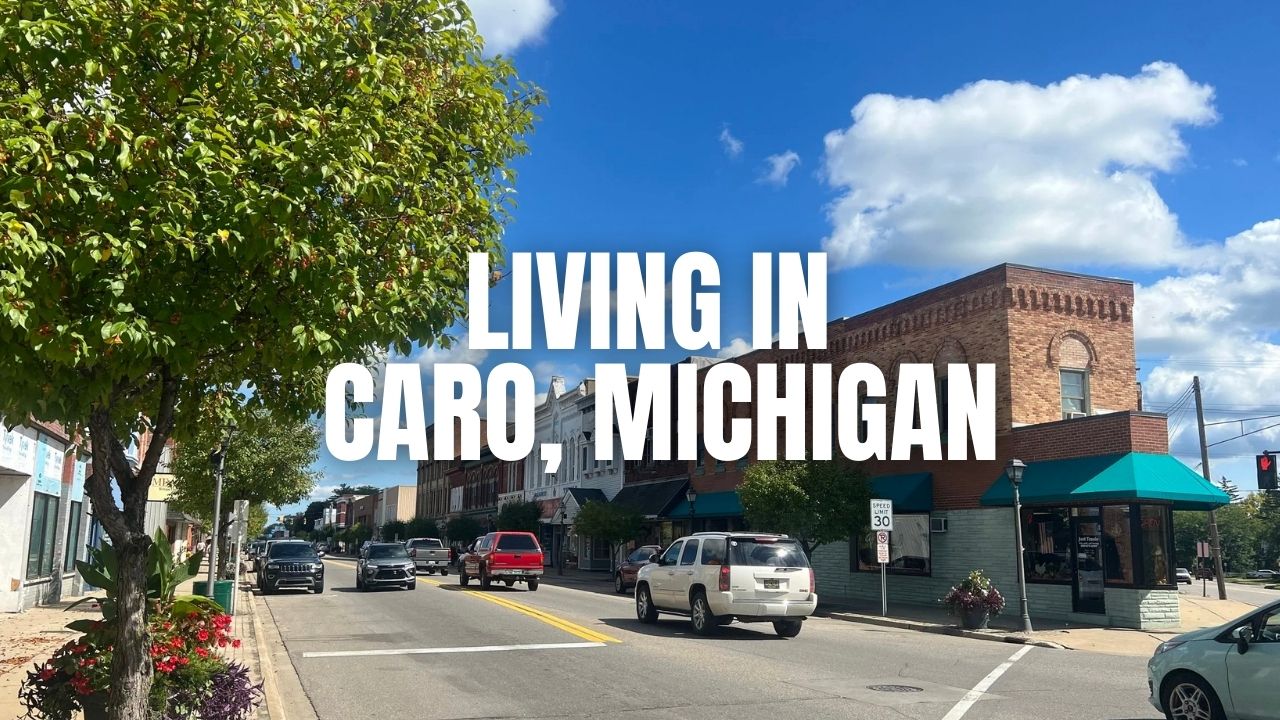
If you’re exploring smaller Michigan communities with a slower pace and historic charm, Caro, Michigan is a place that often comes up in the conversation.
As the county seat of Tuscola County, Caro serves as a hub for government services, local businesses, and surrounding rural communities. Many people consider living here for the quieter environment, access to open space, and housing prices that are often lower than many larger Michigan cities.
Like any town, though, it has its own character, housing mix, and lifestyle considerations. In this guide, we’ll look at what it’s really like to live in Caro, including cost of living, real estate, schools, and local amenities.
Cost of Living in Caro, Michigan
One of the most commonly cited advantages of living in Caro is affordability.
According to BestPlaces.net, Caro’s overall cost of living index is below the national average. Housing costs in particular tend to be lower than many Michigan metropolitan areas.
U.S. Census Bureau data shows that median home values in Caro are significantly below the statewide median, reflecting the community’s smaller size and rural location.
Utilities and transportation costs are generally consistent with broader Midwest averages, according to regional data published by the Bureau of Labor Statistics.
Niche.com also highlights housing affordability as a notable factor when comparing Caro to other Michigan communities.
Real Estate & Housing Overview
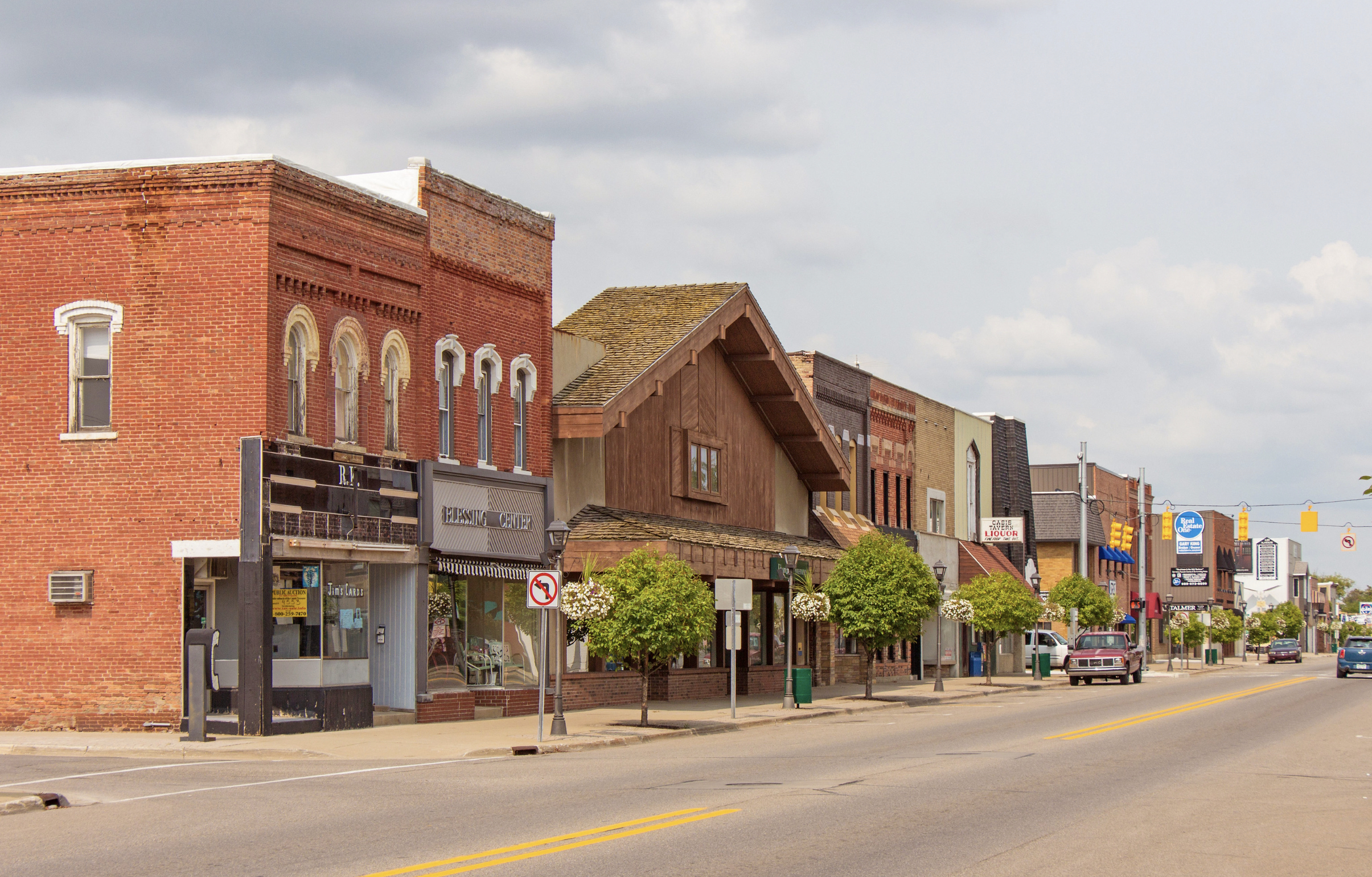
Caro’s housing market is primarily made up of established homes built throughout the 20th century.
According to U.S. Census Bureau housing data:
Many homes were built between the 1940s and 1980s
Owner-occupied housing makes up the majority of properties
Lots are often larger than those found in dense suburban areas
Common housing styles include:
Traditional two-story homes
Ranch-style homes
Historic houses near downtown
Rural properties on larger parcels outside city limits
New construction exists but is relatively limited. Most housing inventory consists of existing homes rather than large new subdivisions.
Local MLS activity typically reflects steady market movement rather than rapid fluctuations seen in larger urban markets.




Is Volinia Township, Michigan a Good Place to …
Volinia Township, Michigan is one of Cass…
Moving to Silver Creek Township, Michigan? What to …
Silver Creek Township, Michigan is where Cass…
Living in Porter Township (Cass County), Michigan: Pros, …
Porter Township, Michigan is a lake-studded rural…