
Introduction
If you’re looking for a quieter place to live in Michigan with wide open spaces and a slower pace, Fairgrove Township, Michigan might catch your attention.
Located in Tuscola County in the Thumb region of the state, Fairgrove Township offers rural surroundings, farmland landscapes, and housing options that often include larger parcels of land. People researching relocation to smaller Michigan communities sometimes consider areas like Fairgrove for the space, lower population density, and access to nearby small towns.
Before making any move, it’s helpful to understand what daily life looks like in the area. Let’s walk through cost of living, housing, property taxes, schools, and lifestyle factors so you can decide if Fairgrove Township fits your goals.
Cost of Living in Fairgrove Township, Michigan
One of the primary reasons people consider communities like Fairgrove Township is the generally lower cost of living compared to larger urban areas.
According to U.S. Census Bureau housing data for Tuscola County, median home values are typically lower than the Michigan statewide median.
BestPlaces.net also reports that many Thumb-region communities maintain cost-of-living indexes below national averages, largely due to housing affordability.
Utility costs and transportation expenses tend to align with broader Michigan averages, according to Midwest regional data from the Bureau of Labor Statistics.
However, residents should expect to drive for work, shopping, and services, which may increase fuel costs depending on commute distance.
Real Estate & Housing Overview
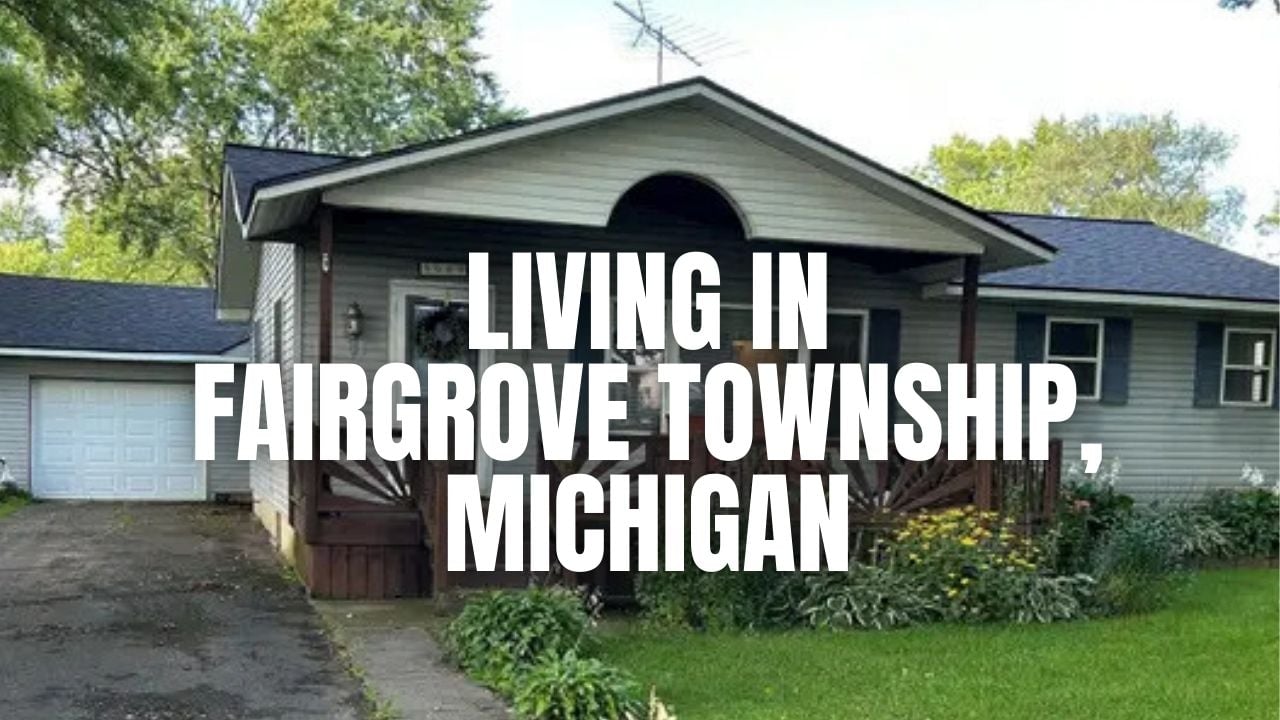
Housing in Fairgrove Township reflects its rural setting.
Based on U.S. Census Bureau housing age data:
Many homes were built between the 1940s and 1980s
Owner-occupied housing makes up a large share of properties
Homes often sit on larger lots compared with suburban neighborhoods
Common housing styles include:
Ranch-style homes
Farmhouses and rural homesteads
Manufactured or modular homes
Detached single-family homes with acreage
New construction activity exists but is relatively limited compared to suburban growth areas. Real estate availability tends to fluctuate depending on farmland sales and rural property listings.
Local MLS data often shows fewer total listings than larger cities, which is typical for rural markets.
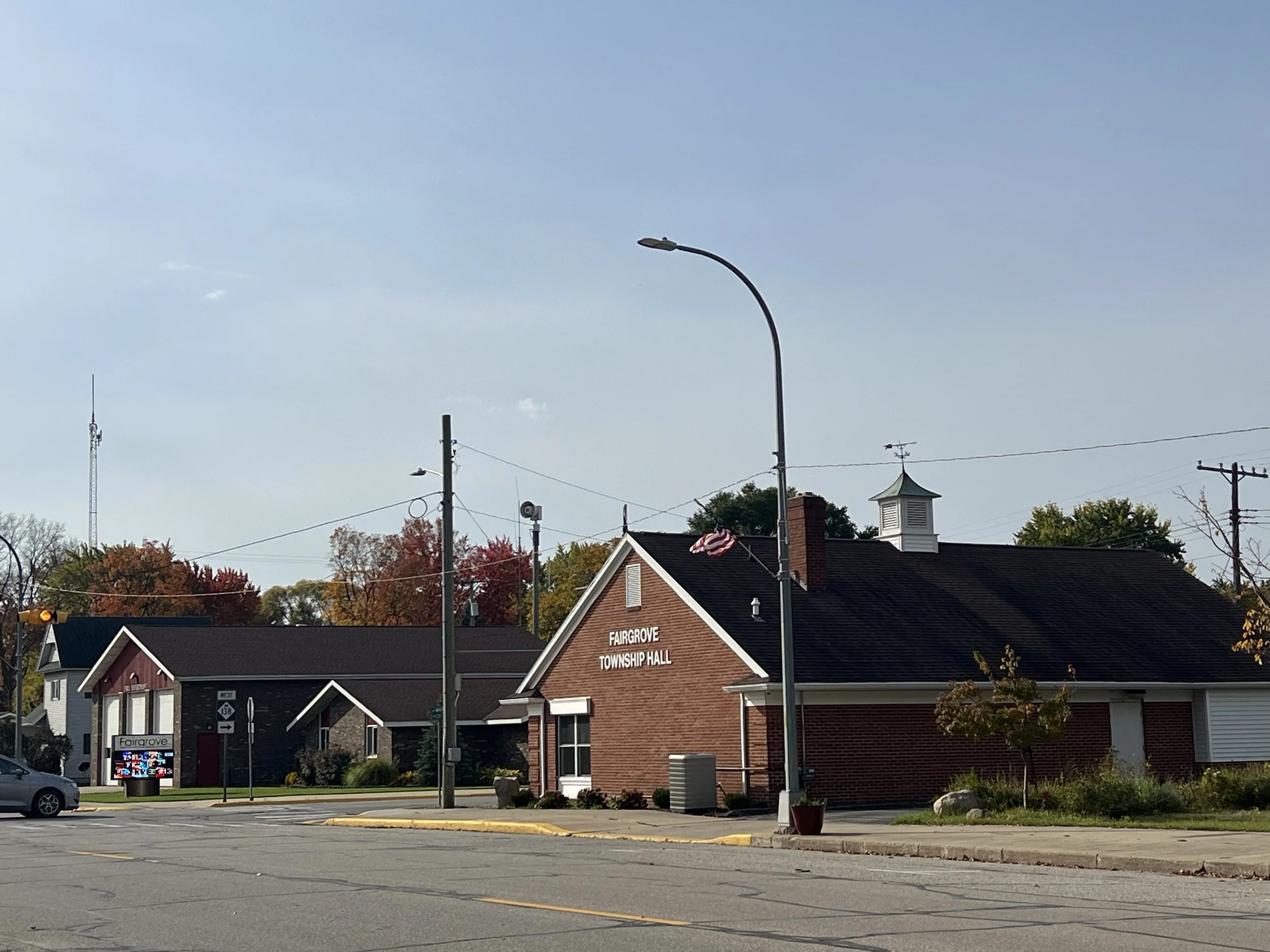




Is Volinia Township, Michigan a Good Place to …
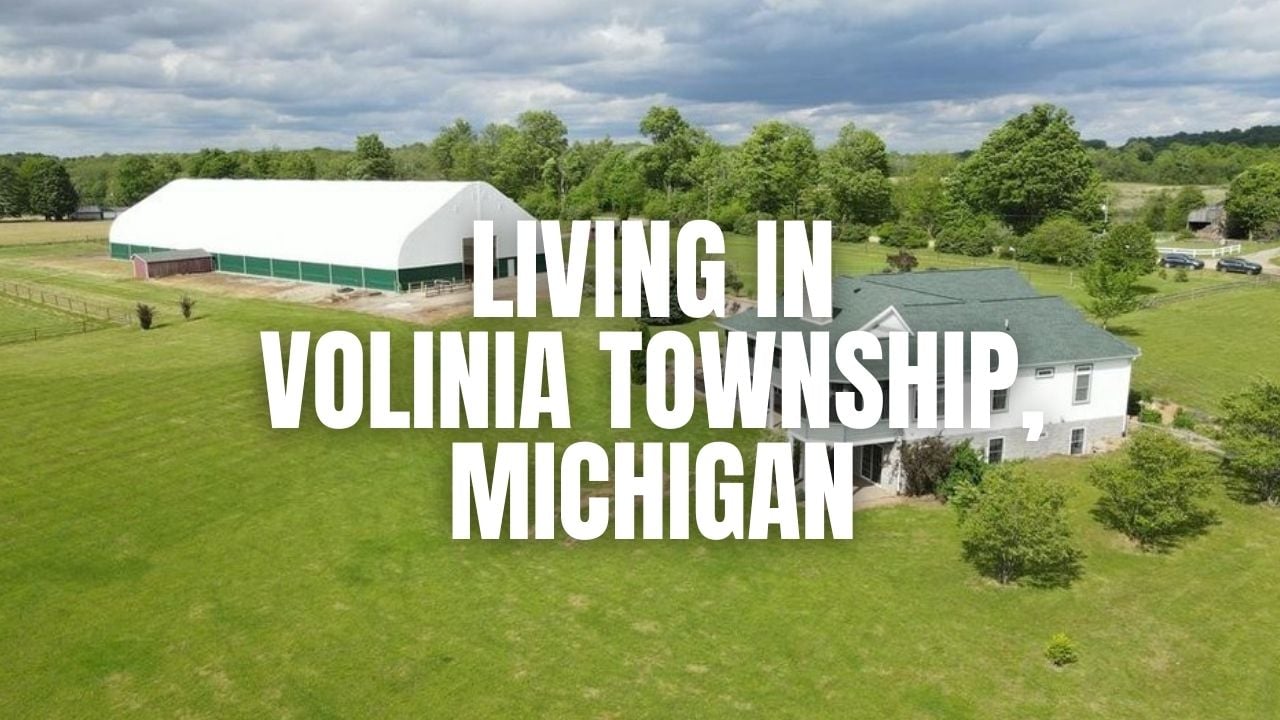
Volinia Township, Michigan is one of Cass…
Moving to Silver Creek Township, Michigan? What to …
Silver Creek Township, Michigan is where Cass…
Living in Porter Township (Cass County), Michigan: Pros, …
Porter Township, Michigan is a lake-studded rural…