
Introduction
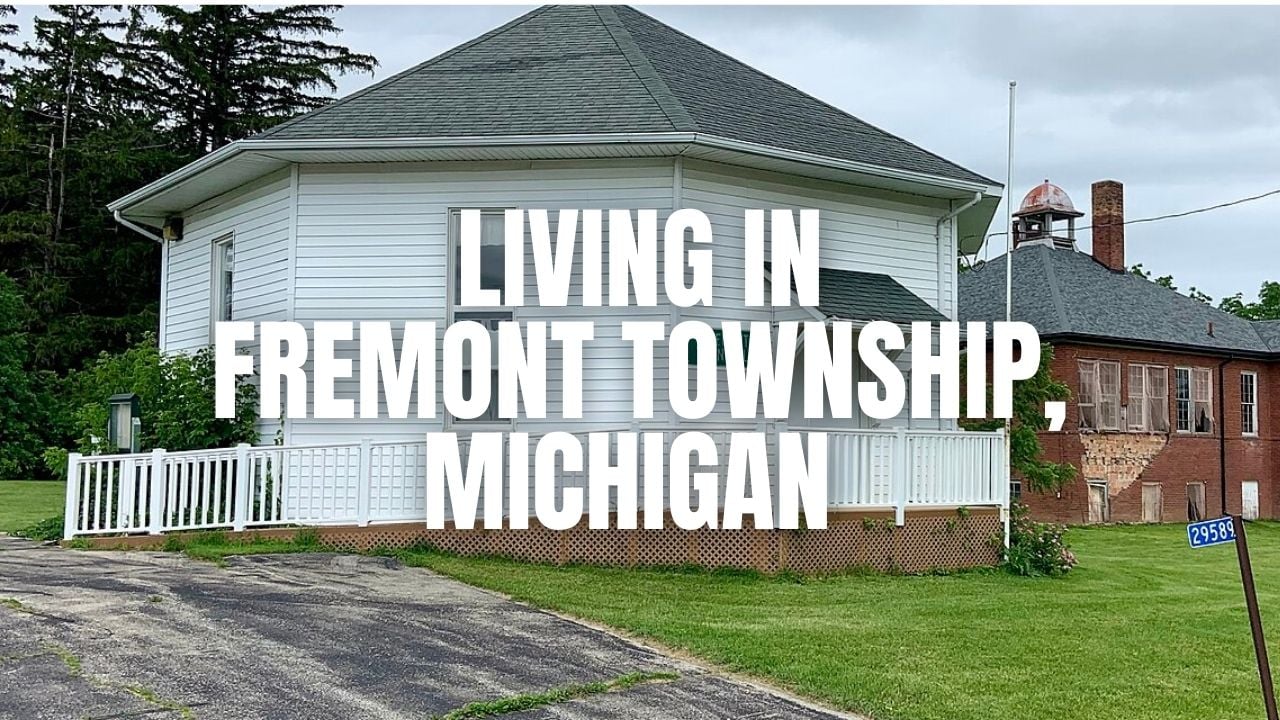
If you’re looking for wide-open space, agricultural surroundings, and a quieter pace of life, Fremont Township, Michigan may be on your radar.
Located in Sanilac County in Michigan’s Thumb region, Fremont Township is a rural community rather than a city or dense suburb. People who move here typically value space, privacy, and proximity to small-town amenities without the traffic and congestion of larger metro areas.
This guide walks through cost of living, real estate, property taxes, schools, and lifestyle considerations so you can decide whether Fremont Township aligns with your long-term goals.
Cost of Living in Fremont Township, Michigan
Because Fremont Township is rural, housing costs tend to be influenced by land size and agricultural property values.
According to U.S. Census Bureau data for Sanilac County, median home values in the county are generally lower than the Michigan statewide median. Niche.com also reports that Sanilac County housing costs are below state averages.
BestPlaces.net indicates that Sanilac County’s overall cost of living index is below the national average.
Utilities and fuel costs are typically in line with statewide norms, based on Midwest regional data from the Bureau of Labor Statistics. However, transportation costs may be higher for residents who commute longer distances due to the rural setting.
Because Fremont Township is small, specific township-level cost-of-living breakdowns may not be individually reported; county-level data is often the most accurate available source.
Real Estate & Housing Overview
Housing in Fremont Township primarily consists of single-family homes, farmhouses, and rural properties with acreage.
Based on U.S. Census Bureau housing data for Sanilac County:
Many homes were built mid-20th century or earlier
Owner-occupied properties make up a large share of housing
Lot sizes are often larger than suburban subdivisions
You’ll typically see:
Traditional farmhouses
Ranch-style homes
Properties with barns or agricultural structures
Scattered newer builds on larger parcels
New construction does occur but is limited compared to fast-growing suburban counties. According to regional MLS trends, the rural housing market tends to have lower transaction volume and steadier price movement compared to urban areas.
Inventory levels can vary seasonally.



Moving to Portage, Michigan? What to Know About …
Thinking about moving to Portage, Michigan? This…
Living in Parchment, Michigan: Pros, Cons, Cost of …
Thinking about living in Parchment, Michigan? This…
Thinking About Kalamazoo, Michigan? A practical guide
Thinking about moving to Kalamazoo, Michigan? This…