Introduction
If you’re looking for a quieter, more rural lifestyle in Southwest Michigan, Howard Township might already be on your radar.
Located in Cass County, this township is known for its open space, access to inland lakes, and a slower pace compared to larger cities. People often consider living here for the privacy, outdoor recreation opportunities, and lower-density environment.
That said, rural living comes with trade-offs — especially when it comes to commuting, amenities, and housing options. Let’s walk through what it’s actually like to live in Howard Township so you can decide if it aligns with your goals.
Cost of Living in Howard Township, Michigan
Cost of living in Howard Township is generally lower than many urban and suburban areas in Michigan.
According to U.S. Census Bureau data, median home values in Cass County tend to fall below the statewide median. Niche.com also indicates that housing costs in the area are relatively affordable compared to national averages.
BestPlaces.net reports that overall cost of living in rural parts of Cass County is below the U.S. average.
Utilities and transportation costs align with Midwest averages, based on data from the Bureau of Labor Statistics. However, transportation costs can vary depending on commute distance, since most travel requires driving.
Overall, affordability is one of the main reasons people consider this area.
Real Estate & Housing Overview
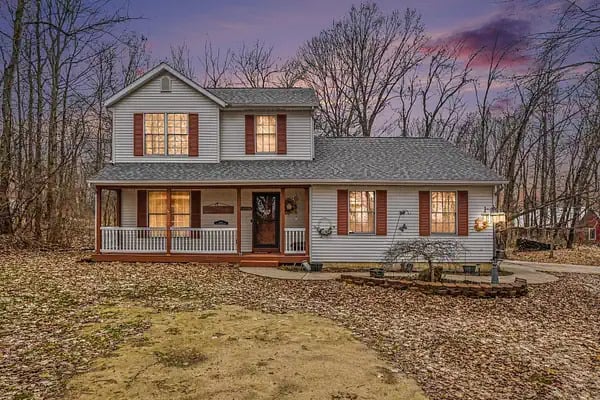
Howard Township’s housing market is primarily made up of single-family homes on larger parcels of land.
According to U.S. Census Bureau housing data:
Many homes were built between the 1950s and early 2000s
Owner-occupied homes make up a significant portion of the housing stock
Lot sizes are typically larger than suburban averages
Common housing types include:
Ranch-style homes
Manufactured homes
Farmhouses and rural properties
Lakefront homes near Diamond Lake and Barron Lake
New construction is limited and tends to be custom-built rather than large-scale developments.
Local MLS data shows that housing availability can vary seasonally, especially for lakefront properties, which tend to have higher demand.




Is LaGrange Township, Michigan a Good Place to …
Considering a move to LaGrange Township, Michigan?…
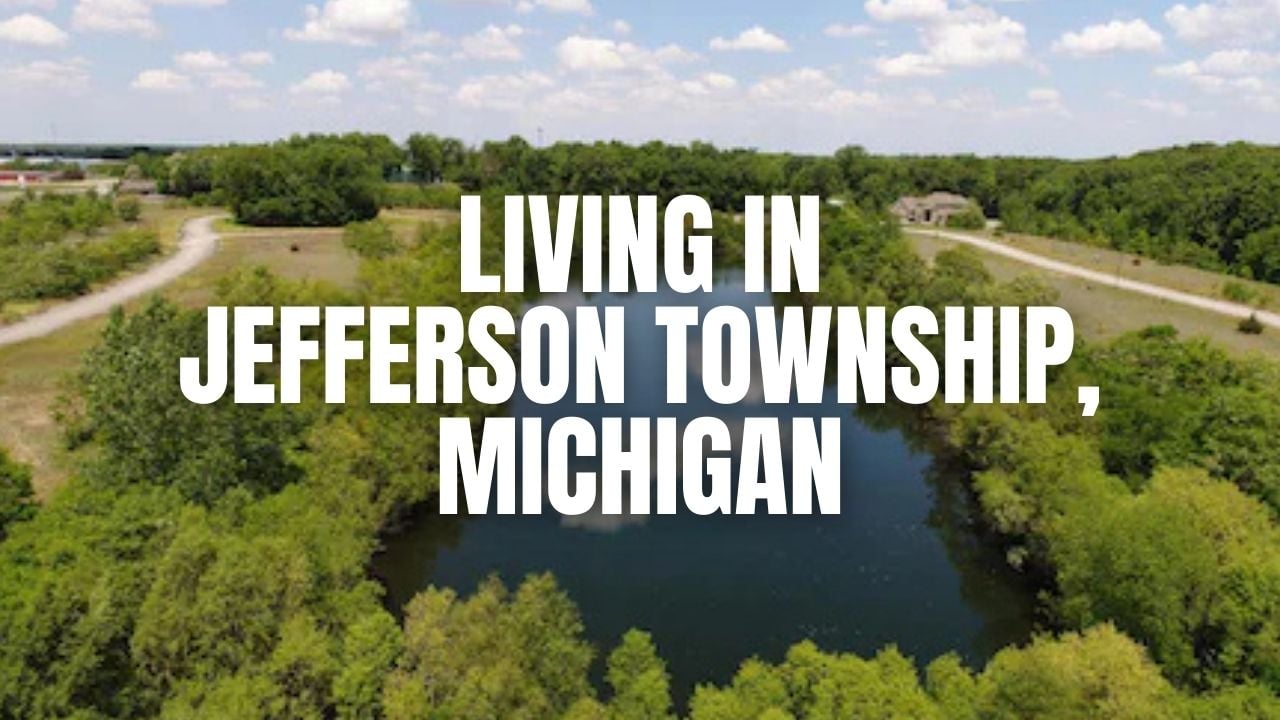
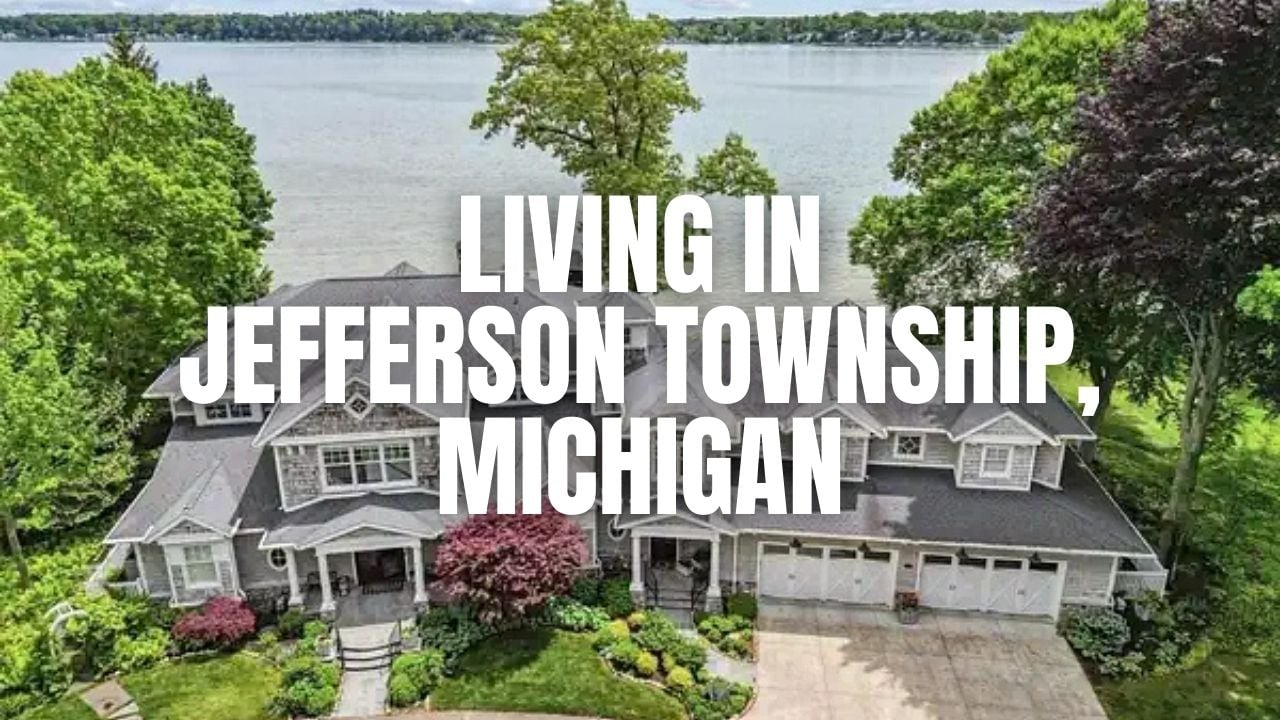
Moving to Jefferson Township (Cass County), Michigan? What …
Considering a move to Jefferson Township, Michigan…
Living in Howard Township, Michigan: Pros, Cons, Cost …
Considering a move to Howard Township, Michigan?…