
Introduction
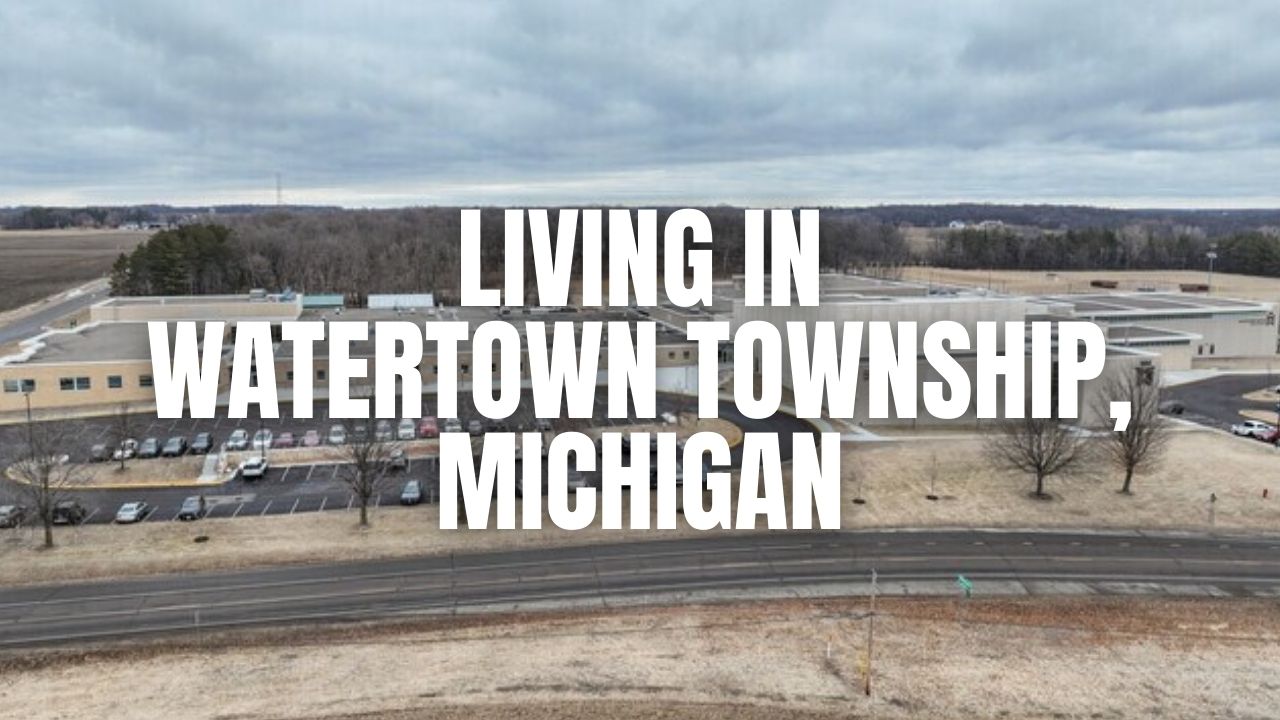
If you’re looking for wide-open space, agricultural landscapes, and a quieter pace of life, Watertown Township, Michigan may be worth exploring.
Located in Sanilac County in Michigan’s Thumb region, Watertown Township is a rural community where homes often sit on larger parcels of land and daily life moves at a slower rhythm. People considering this area are typically drawn by privacy, affordability, and access to nature rather than dense suburban amenities.
In this guide, we’ll break down the cost of living, housing trends, property taxes, schools, and lifestyle so you can decide whether Watertown Township aligns with your long-term plans.
Cost of Living in Watertown Township, Michigan
Cost of living in Watertown Township is generally aligned with rural Michigan averages.
According to U.S. Census Bureau data, median home values and household incomes in Sanilac County are below the statewide Michigan median. Niche.com also reports that Sanilac County overall scores favorably for housing affordability compared to national averages.
BestPlaces.net indicates that Sanilac County’s overall cost of living index is below the U.S. average, largely due to housing costs.
Utility and transportation costs are generally consistent with broader Midwest averages, according to the Bureau of Labor Statistics. However, because the area is rural, fuel and vehicle maintenance may represent a larger portion of household expenses compared to more walkable communities.
Overall, housing tends to be the primary factor contributing to affordability in the township.
Real Estate & Housing Overview
Housing in Watertown Township is primarily made up of detached single-family homes, farmhouses, and properties on acreage.
Based on U.S. Census Bureau housing data for the township:
Most homes are owner-occupied
A significant portion of housing stock was built between the 1940s and 1990s
Lot sizes are typically larger than suburban Michigan averages
You’ll commonly see:
Ranch-style homes on multi-acre parcels
Traditional farmhouses
Manufactured homes in certain areas
New construction activity is limited compared to suburban growth areas, though custom builds on vacant land do occur. MLS data for Sanilac County shows lower transaction volume than metro areas, which is typical for rural markets.
Inventory levels can fluctuate seasonally, especially for acreage properties.



Living in Schoolcraft, Michigan: Pros, Cons, Cost of …
Schoolcraft, Michigan is a small village in…
Thinking About Richland, Michigan? A practical guide
Richland, Michigan is a small village in…

Climax, Michigan Living Guide: The Ultimate living guide
Thinking about living in Climax, Michigan? This…