
Introduction
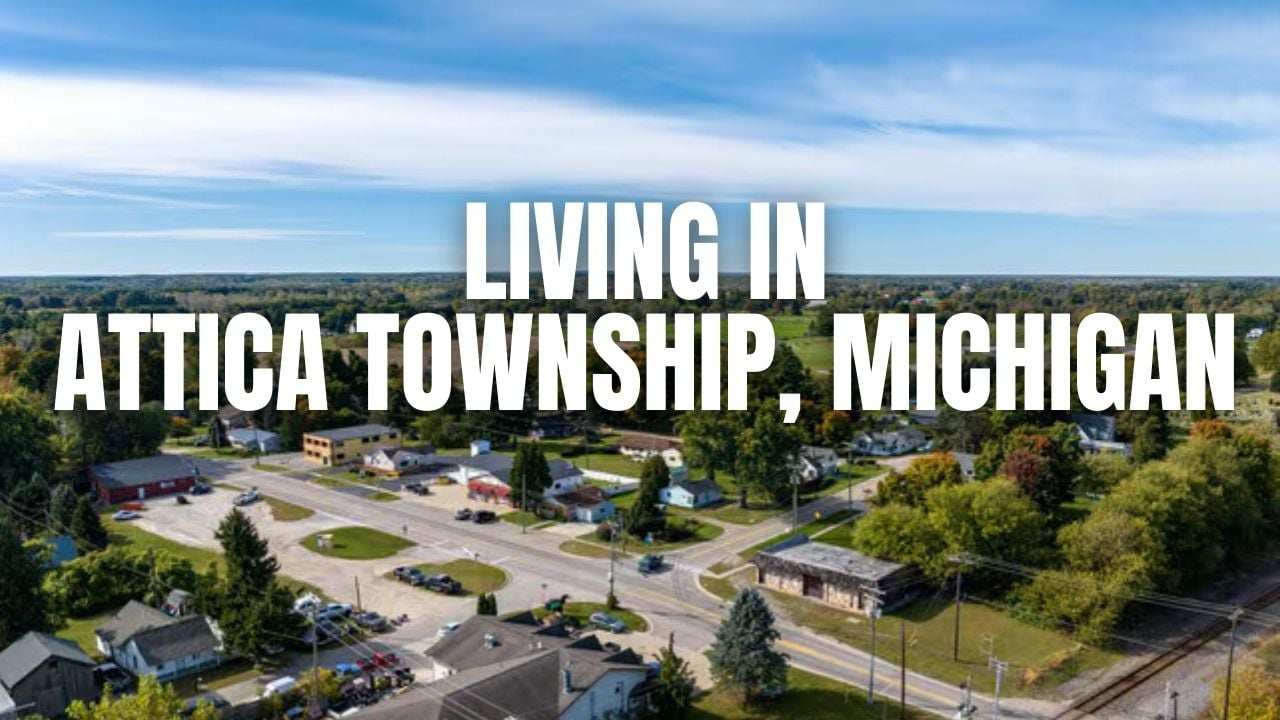
Attica Township, Michigan is one of those places people discover when they want more space, quieter surroundings, and housing options outside dense suburban areas.
Located in Lapeer County, Attica Township offers a rural setting while still being within driving distance of cities like Lapeer, Imlay City, and Flint. Many buyers consider the township for its larger lot sizes, detached homes, and overall slower pace compared to higher-density communities.
This guide walks through housing, cost of living, schools, property taxes, and lifestyle in Attica Township to help you understand what to expect if you’re considering a move here.
Cost of Living in Attica Township, Michigan
Cost of living in Attica Township is influenced primarily by housing and transportation.
According to U.S. Census Bureau housing data, rural townships like Attica Township typically consist of detached homes with larger lot sizes, which can offer more space compared to urban areas.
BestPlaces.net reports that Lapeer County’s overall cost of living is below the national average, particularly in housing-related expenses.
Transportation costs may be higher depending on commute distance. The Bureau of Labor Statistics notes that transportation is one of the largest household expense categories in areas where personal vehicles are the primary mode of travel.
Utilities, groceries, and healthcare costs generally align with statewide averages, based on regional BLS consumer expenditure data.
Real Estate & Housing Overview
Attica Township’s housing stock primarily consists of detached single-family homes.
According to the U.S. Census Bureau:
Most homes are owner-occupied
Housing density is lower than suburban areas
Many homes were built between the 1970s and early 2000s
Common housing types include:
Ranch-style homes
Traditional two-story homes
Homes on acreage
Newer custom-built homes in rural subdivisions
MLS listings typically show fewer homes available at one time compared to more densely populated suburbs, which is typical for rural townships.
New construction exists but tends to occur gradually rather than in large-scale subdivision developments.



Is Burlington Township (Lapeer County), Michigan a Good …
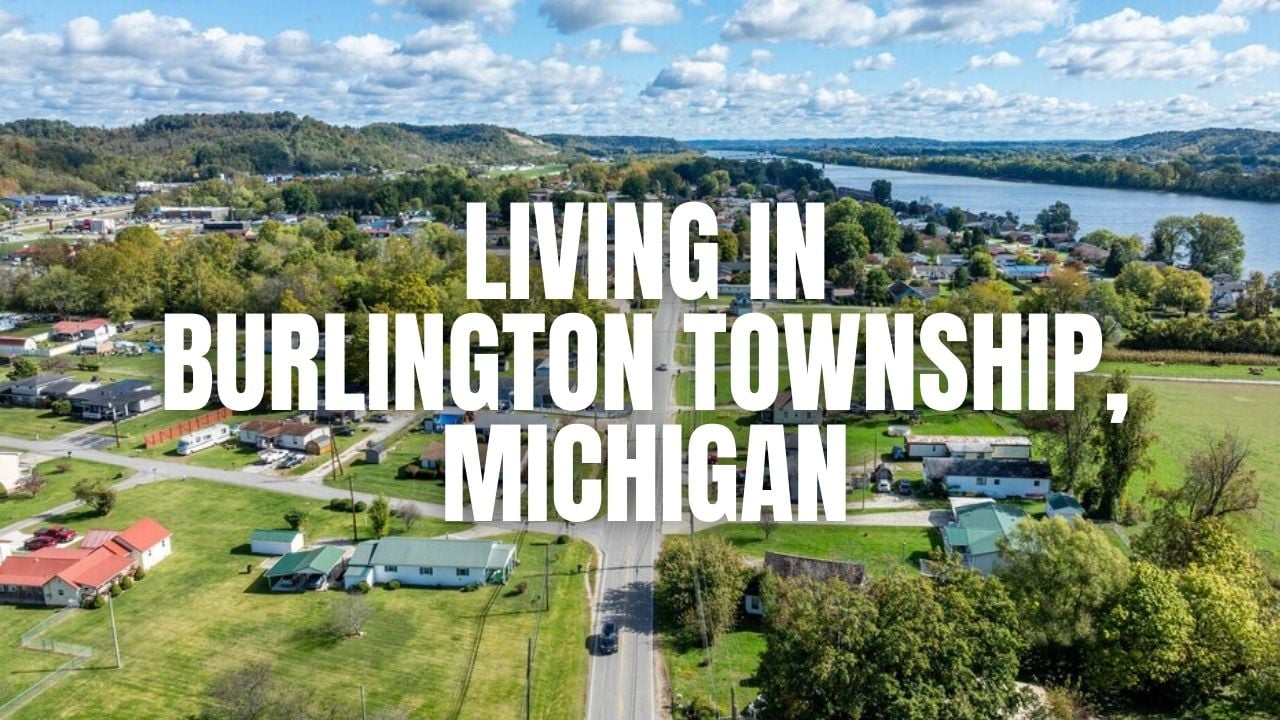
Burlington Township, Michigan offers a rural lifestyle…
Moving to Attica Township, Michigan? What to Know …
Attica Township, Michigan offers rural surroundings, larger…
Living in Arcadia Township (Lapeer County), Michigan: Pros, …
Arcadia Township, Michigan offers rural living with…