
Introduction
If you’re looking for open space, agricultural surroundings, and a slower pace of life in Mid-Michigan, Brant Township may be worth a closer look.
Located in Saginaw County, Brant Township is a primarily rural community known for its farmland, low-density housing, and proximity to small towns like Chesaning. It’s not a bustling suburb — and that’s exactly the appeal for many people.
In this guide, we’ll walk through what it’s like to live in Brant Township, Michigan — including housing, schools, commute considerations, property taxes, and everyday lifestyle factors — so you can decide if it aligns with your long-term plans.
Cost of Living in Brant Township, Michigan
Brant Township’s cost of living is influenced largely by its rural housing market and property values.
According to U.S. Census Bureau data for Brant Township, median home values are generally below the Michigan statewide median. Niche.com also reports housing costs in rural Saginaw County communities tend to be more affordable compared to larger Michigan metro areas.
Because the township is rural, transportation costs may vary depending on commute distance. The Bureau of Labor Statistics reports that transportation is one of the larger household expense categories nationally, and that can apply here depending on your driving needs.
Utility costs are generally consistent with Michigan averages, though specific costs depend on home size, heating source, and service providers.
As always, individual budgets will vary based on housing type, property size, and commute patterns.
Real Estate & Housing Overview
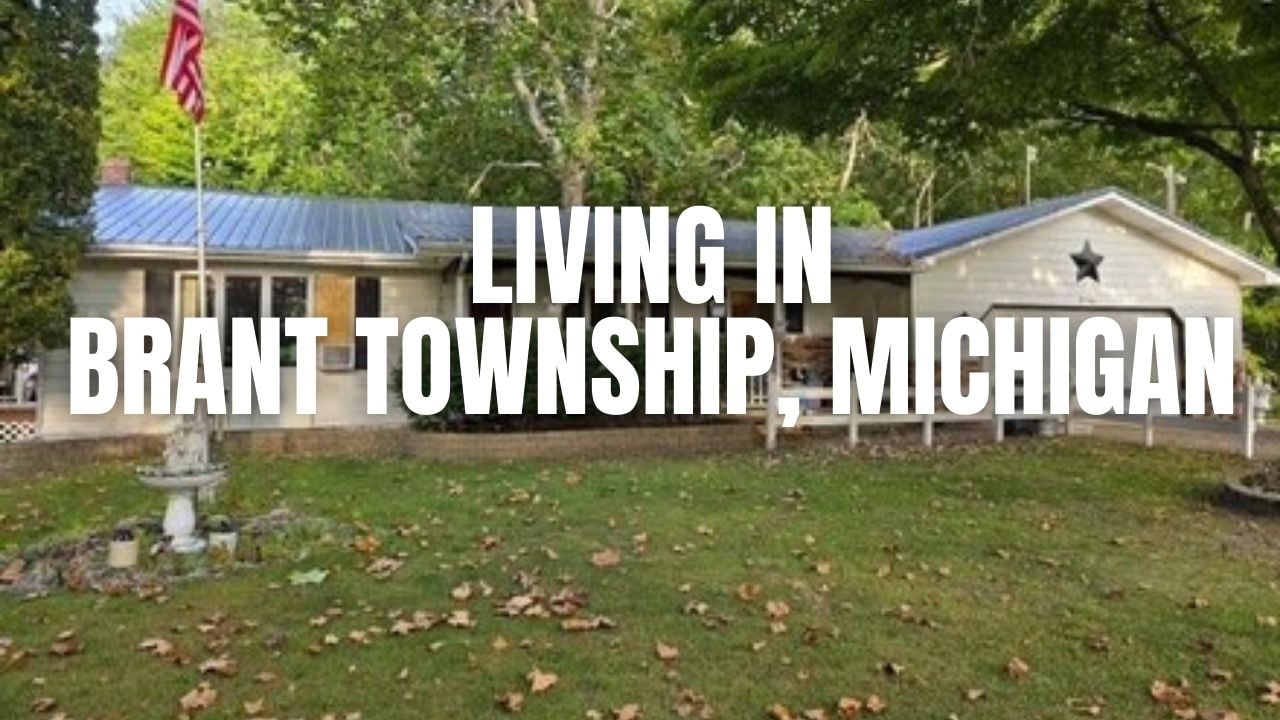
Housing in Brant Township is primarily single-family, detached homes situated on larger parcels of land.
Based on U.S. Census Bureau housing data:
A significant portion of homes were built between the 1970s and early 2000s
Owner-occupied housing makes up the majority of properties
Lot sizes are typically larger than suburban subdivisions
You’ll commonly find:
Ranch-style homes
Farmhouses
Modular or manufactured homes on private land
Homes with acreage
New construction exists but is limited compared to high-growth suburban markets. Development tends to occur on individual lots rather than large planned subdivisions.
Local MLS data for Saginaw County reflects steady rural market activity, though inventory can fluctuate seasonally.




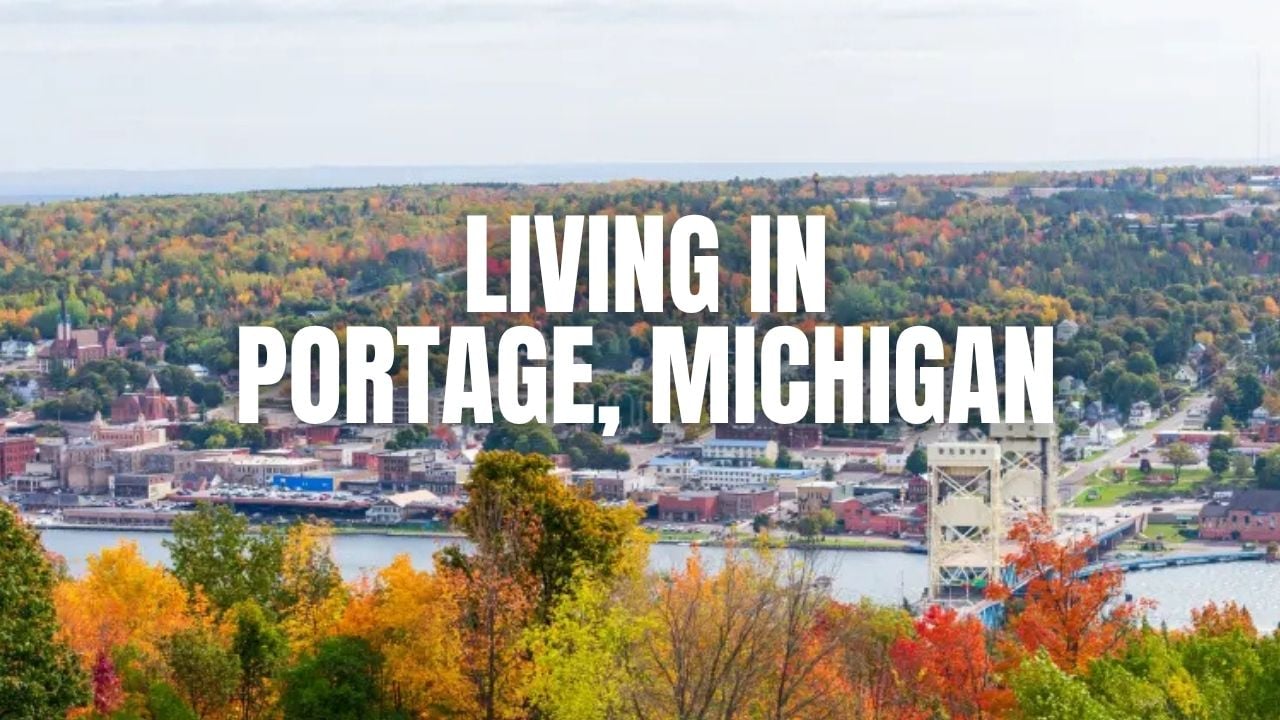
Moving to Portage, Michigan? What to Know About …
Thinking about moving to Portage, Michigan? This…
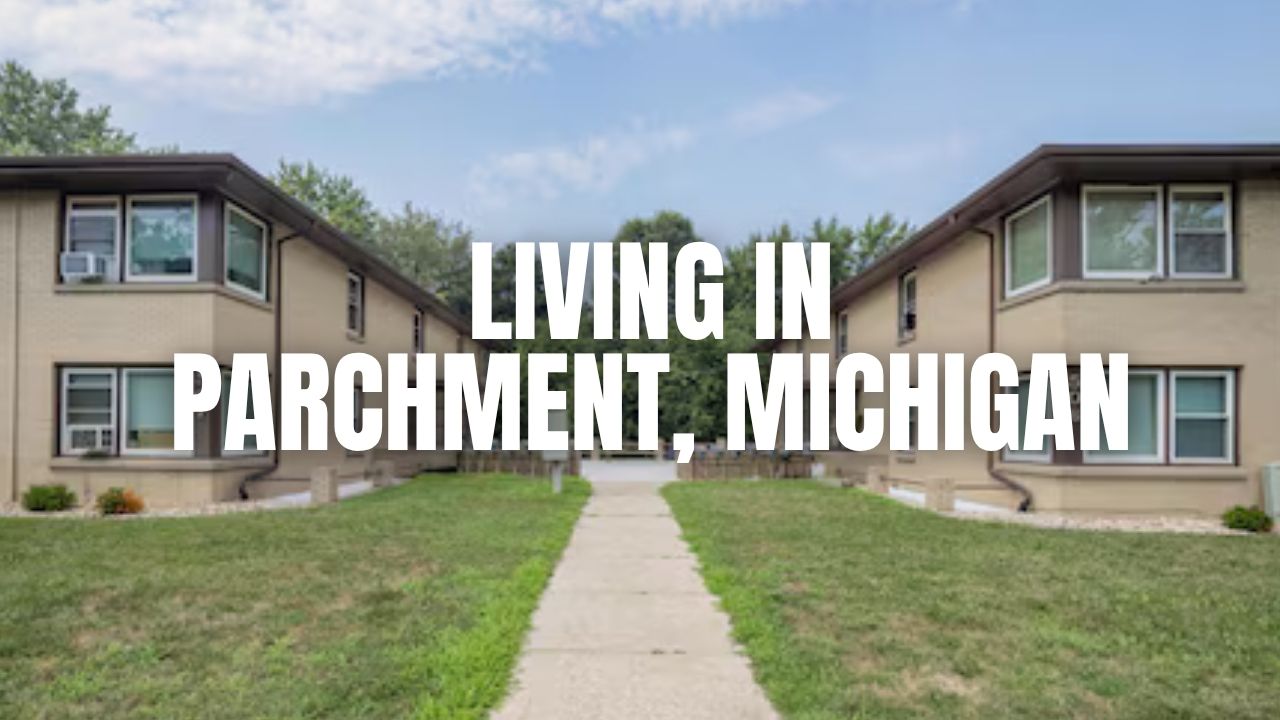
Living in Parchment, Michigan: Pros, Cons, Cost of …
Thinking about living in Parchment, Michigan? This…
Thinking About Kalamazoo, Michigan? A practical guide
Thinking about moving to Kalamazoo, Michigan? This…