Introduction
If you’re exploring rural communities in Michigan where space and quieter surroundings are part of daily life, Fremont Township in Tuscola County might be on your radar.
This township offers agricultural landscapes, open land, and a slower pace compared to larger cities. People considering living here are often looking for more room, fewer crowds, and proximity to smaller regional hubs like Caro.
That said, rural living also comes with trade-offs such as longer drives to certain amenities. In this guide, we’ll walk through what to expect in Fremont Township, including housing, property taxes, schools, cost of living, and lifestyle.
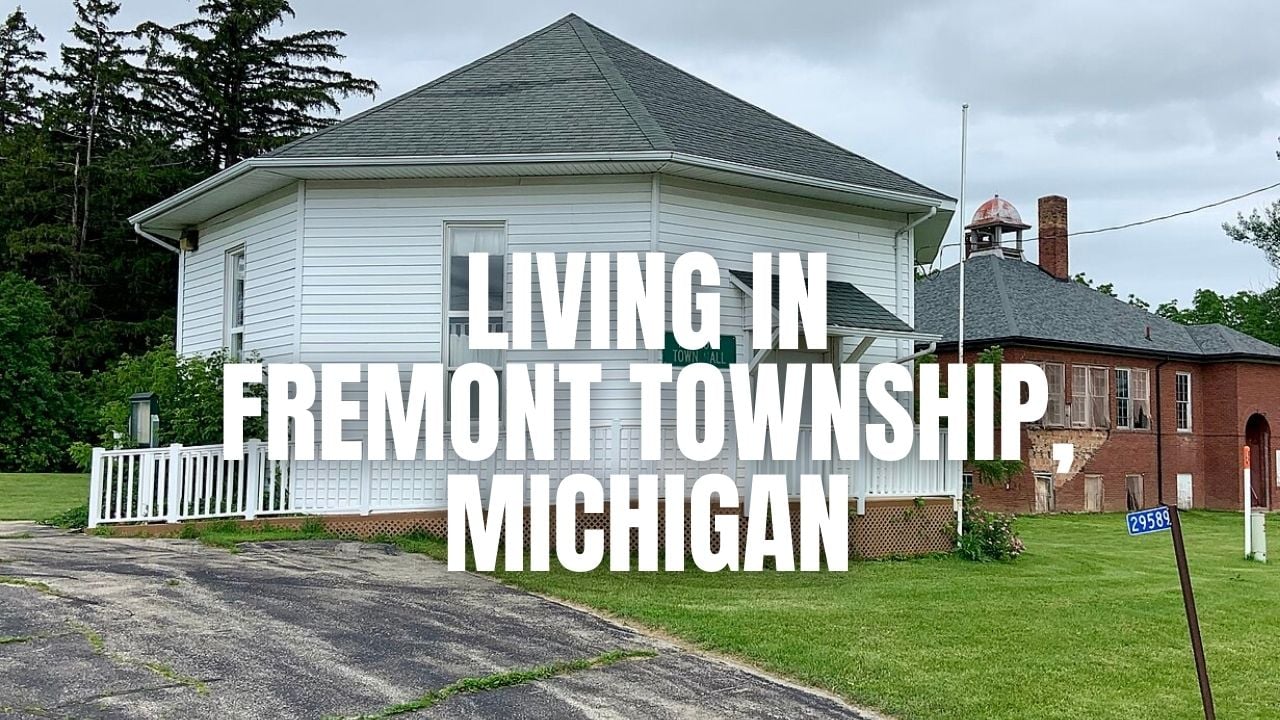
Cost of Living in Fremont Township, Michigan
One of the biggest attractions of rural Michigan townships is affordability.
According to U.S. Census Bureau data for Tuscola County, housing costs are generally lower than Michigan statewide averages. Niche.com also notes that many communities in Tuscola County have relatively affordable home values compared to urban regions.
BestPlaces.net reports that the overall cost of living in rural areas of Michigan’s Thumb tends to fall below the national average.
Utilities and transportation costs, however, may vary depending on property size, heating sources, and commuting distance. The Bureau of Labor Statistics notes that transportation expenses often make up a larger share of costs in rural areas because driving is typically required.
Real Estate & Housing Overview
Housing in Fremont Township is primarily made up of rural homes and agricultural properties.
According to U.S. Census Bureau housing data for Tuscola County:
Many homes were built between the 1940s and 1980s
Owner-occupied housing is common in rural townships
Properties often include larger lots or acreage
Typical housing styles in the area include:
Farmhouses on agricultural land
Ranch-style homes
Single-story rural homes
Manufactured homes on private land
New construction exists but tends to occur on individual parcels rather than large subdivision developments.
Because the township is rural, housing inventory and sales activity are generally smaller than in urban markets, and property availability may vary.



Moving to Portage, Michigan? What to Know About …
Thinking about moving to Portage, Michigan? This…
Living in Parchment, Michigan: Pros, Cons, Cost of …
Thinking about living in Parchment, Michigan? This…
Thinking About Kalamazoo, Michigan? A practical guide
Thinking about moving to Kalamazoo, Michigan? This…