
Introduction
If you’ve ever driven through rural Michigan and thought, “This feels like a slower pace of life,” Lakefield Township might be exactly what you’re picturing.
Located in Lapeer County, Lakefield Township offers wide open spaces, agricultural land, and residential properties with more breathing room between neighbors. It’s not a high-density suburb—and that’s precisely the appeal for many homebuyers.
People considering Lakefield Township often prioritize space, quieter surroundings, and proximity to nearby cities like Lapeer and Flint without living directly inside them. This guide covers what you should know before making the move.
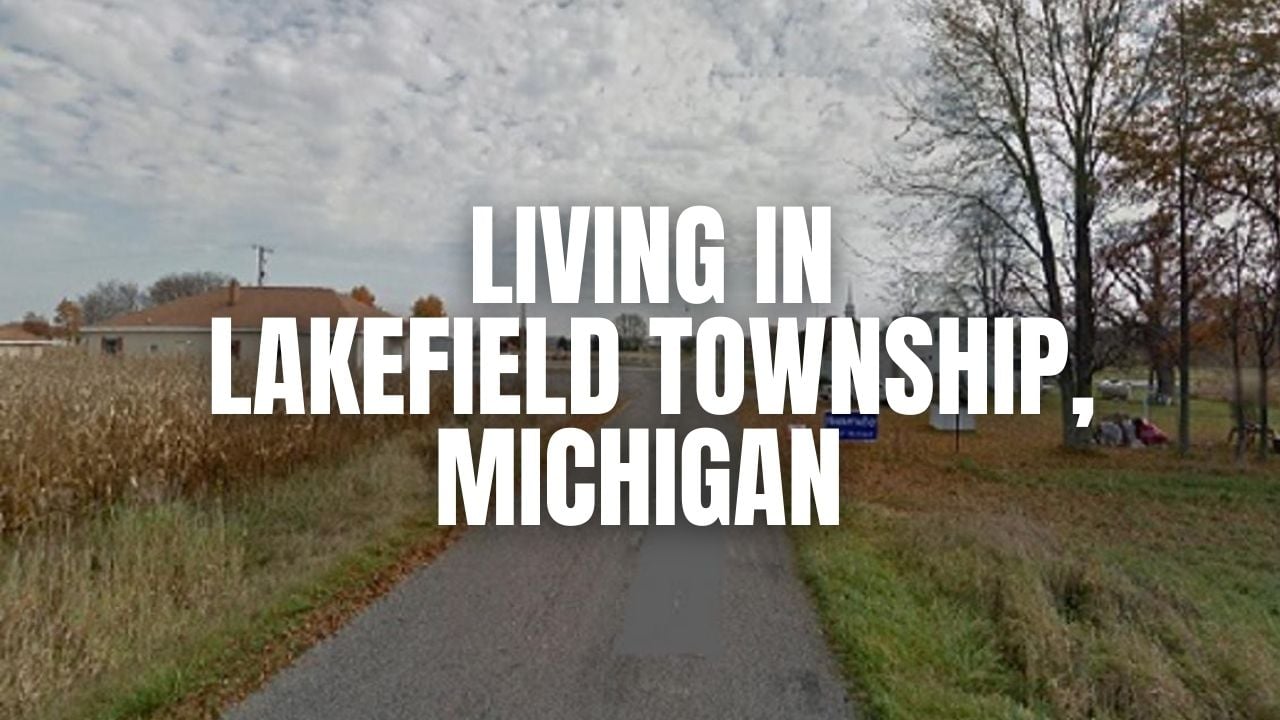
Cost of Living in Lakefield Township, Michigan
Cost of living in Lakefield Township is influenced largely by housing and transportation patterns typical of rural areas.
According to the U.S. Census Bureau, rural townships in Lapeer County typically have lower housing density and a high percentage of owner-occupied homes.
BestPlaces.net reports that Lapeer County’s overall cost of living index is below the national average, with housing costs being a major factor.
Transportation expenses can vary depending on commute distance. The Bureau of Labor Statistics reports that transportation is one of the largest household expenses in regions where driving is the primary mode of travel.
Utilities generally align with Michigan averages, though individual costs vary based on home size, heating system, and utility providers.
Real Estate & Housing Overview
Lakefield Township’s housing market is dominated by single-family homes with larger land parcels.
According to U.S. Census Bureau housing data:
Most homes are detached single-family properties
Many homes were built between the 1970s and early 2000s
Housing density is significantly lower than suburban areas
Common housing types include:
Ranch-style homes
Farmhouses
Custom-built homes on acreage
Manufactured homes on private land
New construction exists but is less frequent compared to suburban developments, largely due to the township’s rural zoning patterns.
MLS listings typically show lower inventory levels than suburban areas, which is consistent with rural housing markets.



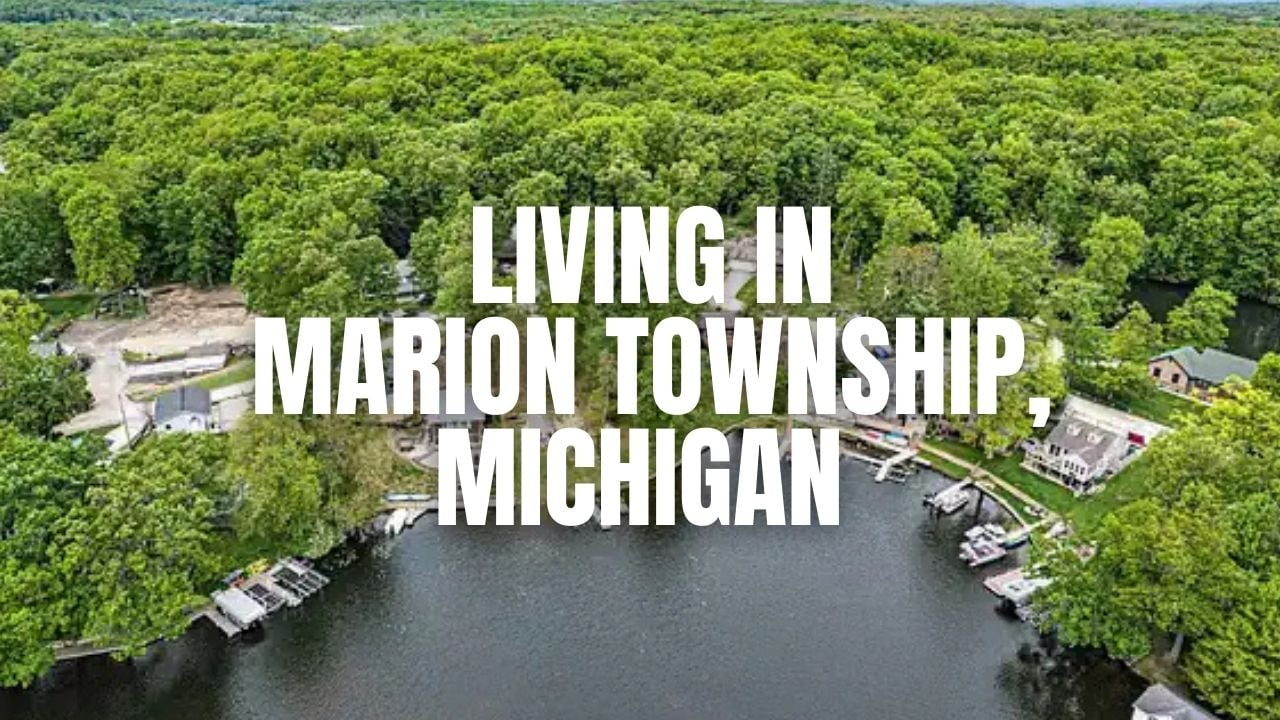
Is Marion Township (Saginaw County), Michigan a Good …
Marion Township, Michigan offers a rural setting…
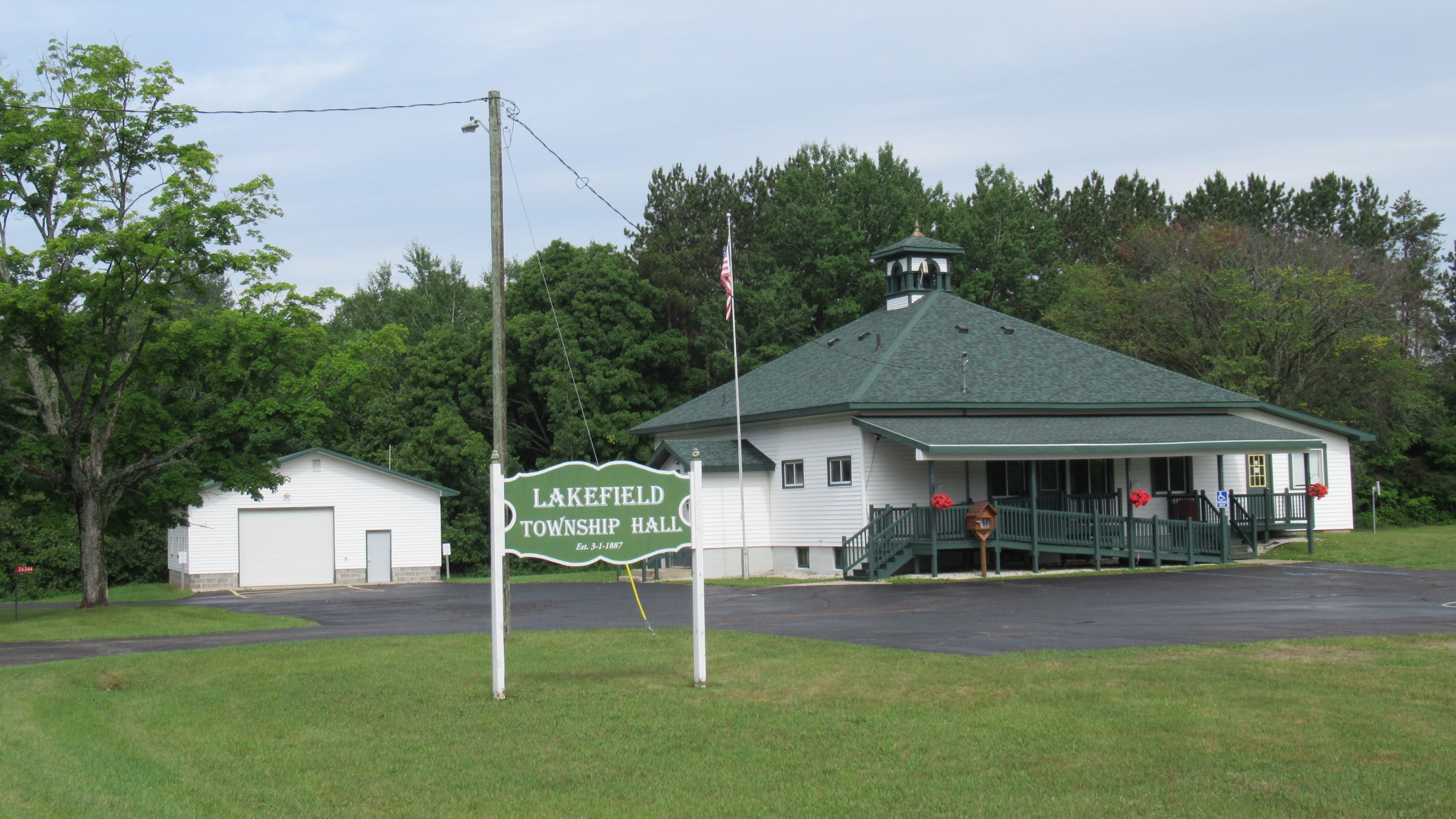
Moving to Lakefield Township (Saginaw County), Michigan? What …
Lakefield Township, Michigan in Lapeer County offers…
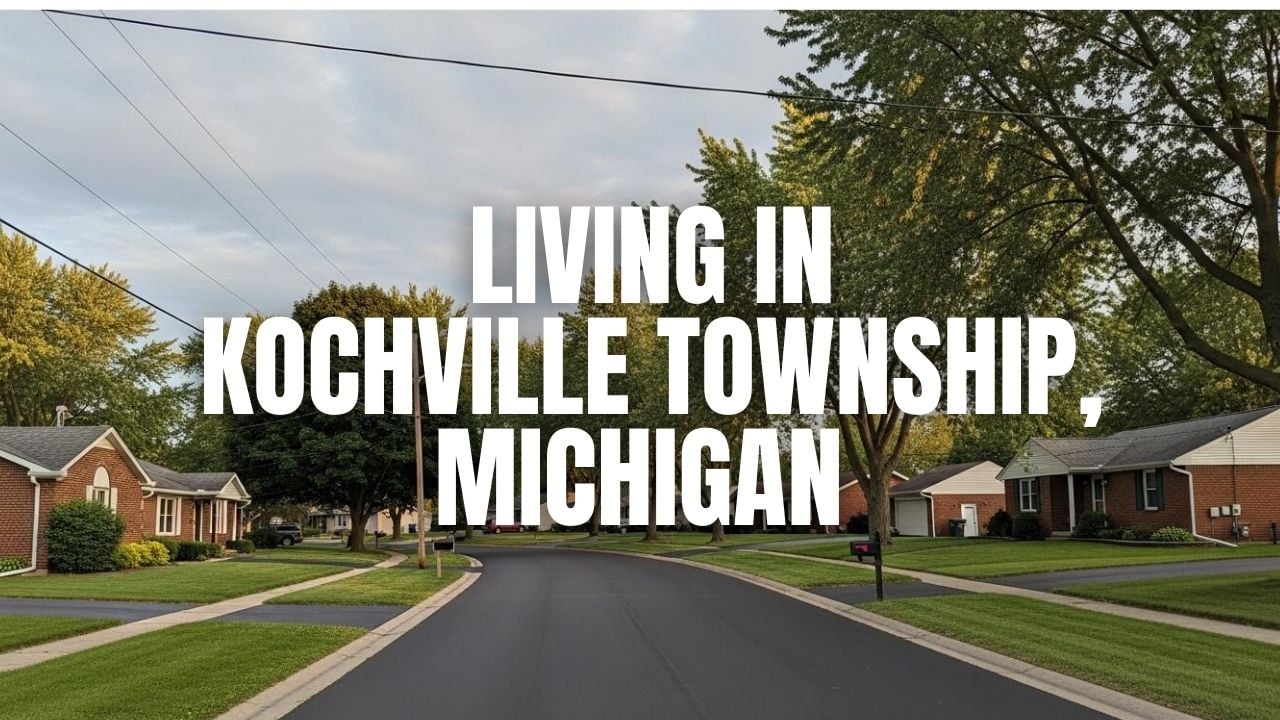
Living in Kochville Township, Michigan: Pros, Cons, Cost …
Kochville Township, Michigan is located in Saginaw…