Introduction
If your home search includes larger properties, quieter surroundings, and a more rural setting, Marathon Township, Michigan may be worth exploring.
Located in Lapeer County, Marathon Township offers open landscapes, low-density housing, and a slower pace compared to suburban communities. Many people consider moving here for the privacy, land availability, and proximity to nearby cities like Lapeer and Flint.
This guide covers what you need to know about homes, schools, commute access, cost of living, and everyday life in Marathon Township, so you can decide whether it aligns with your relocation plans.
Cost of Living in Marathon Township, Michigan
Cost of living in Marathon Township is largely influenced by housing and transportation costs.
According to the U.S. Census Bureau, townships in Lapeer County typically feature single-family homes on larger lots, which can provide more space compared to denser suburban areas.
BestPlaces.net reports that Lapeer County’s overall cost of living index is below the national average, particularly in housing-related expenses.
Transportation costs may vary depending on commute distance, as most residents rely on personal vehicles due to limited public transit availability. The Bureau of Labor Statistics notes transportation is a significant household expense category in areas without public transportation infrastructure.
Utilities and other household costs generally align with statewide averages across Michigan.
Real Estate & Housing Overview
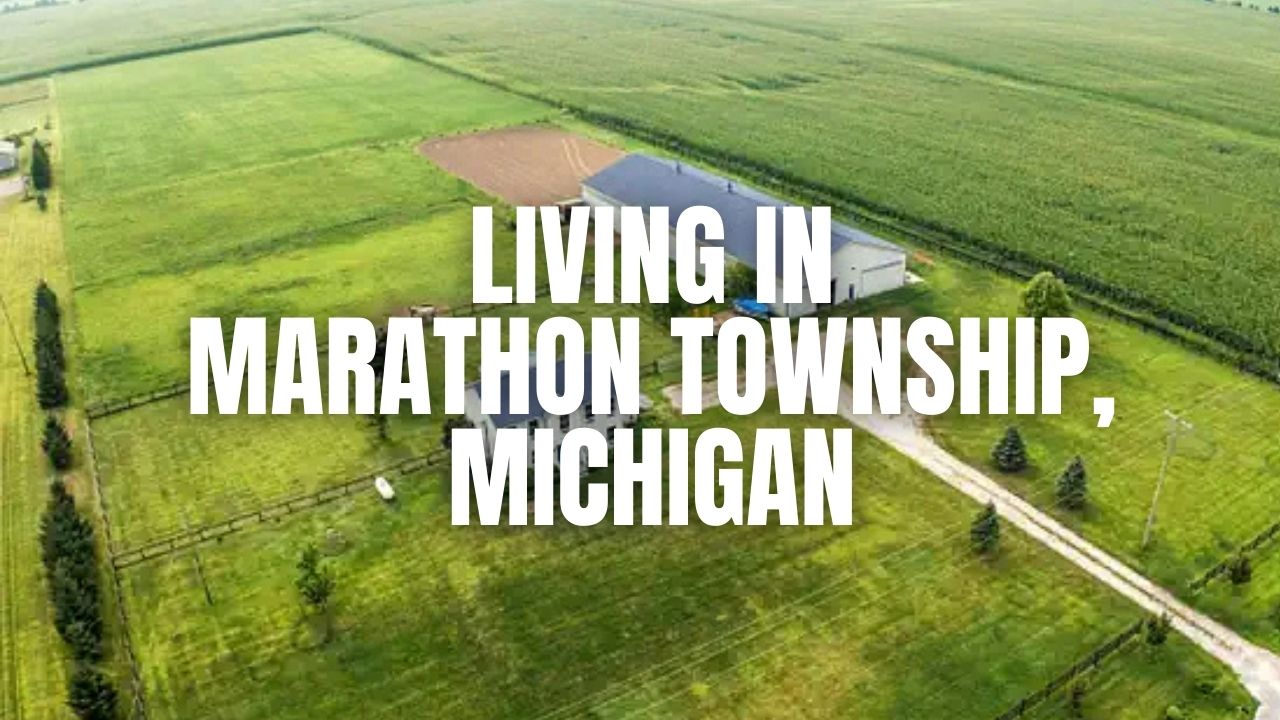
Housing in Marathon Township is characterized by low-density development and detached homes.
Based on U.S. Census Bureau housing data:
Most homes are single-family residences
Many homes were built between the 1970s and early 2000s
Properties often include larger lots or acreage
Common housing types include:
Ranch-style homes
Two-story traditional homes
Custom-built homes on larger parcels
Rural properties with acreage
New construction exists but occurs at a slower pace compared to suburban markets. Local MLS listings typically reflect lower inventory levels, which is common in rural townships.
This type of housing appeals to buyers who prioritize space and lower-density living.



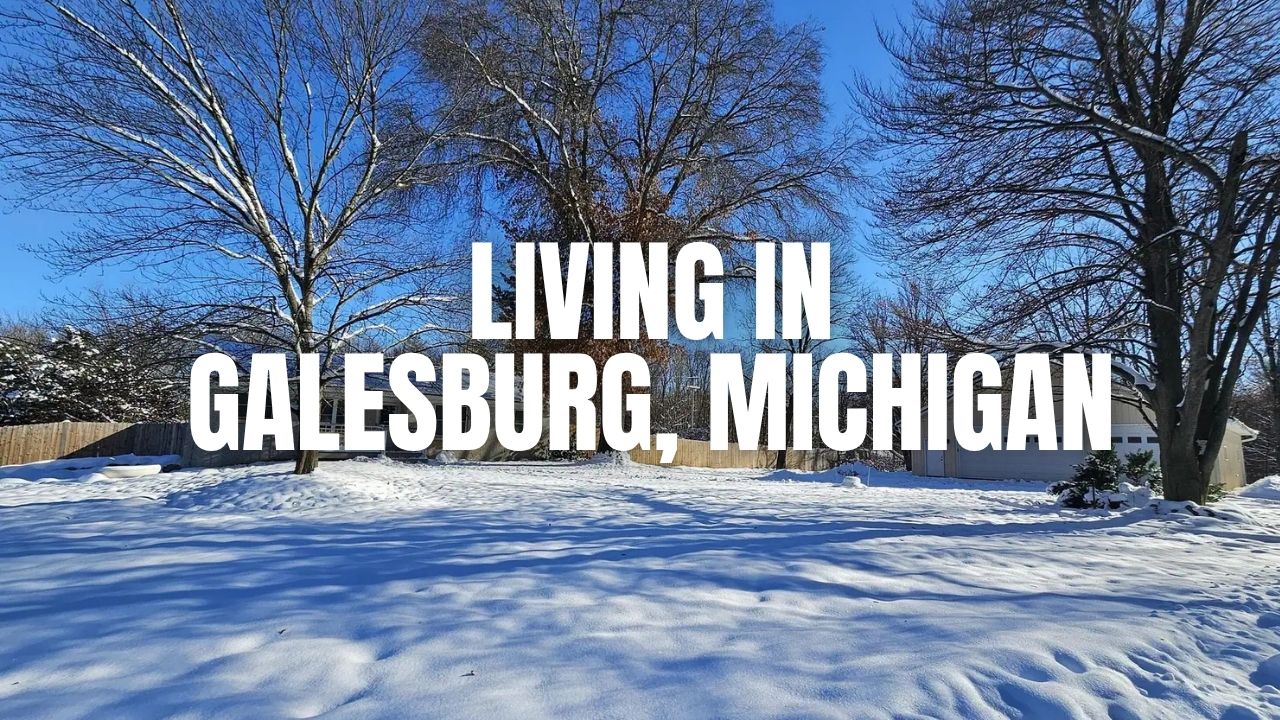
Galesburg, Michigan Living Guide: The Ultimate living guide
Galesburg, Michigan is a small Kalamazoo County…
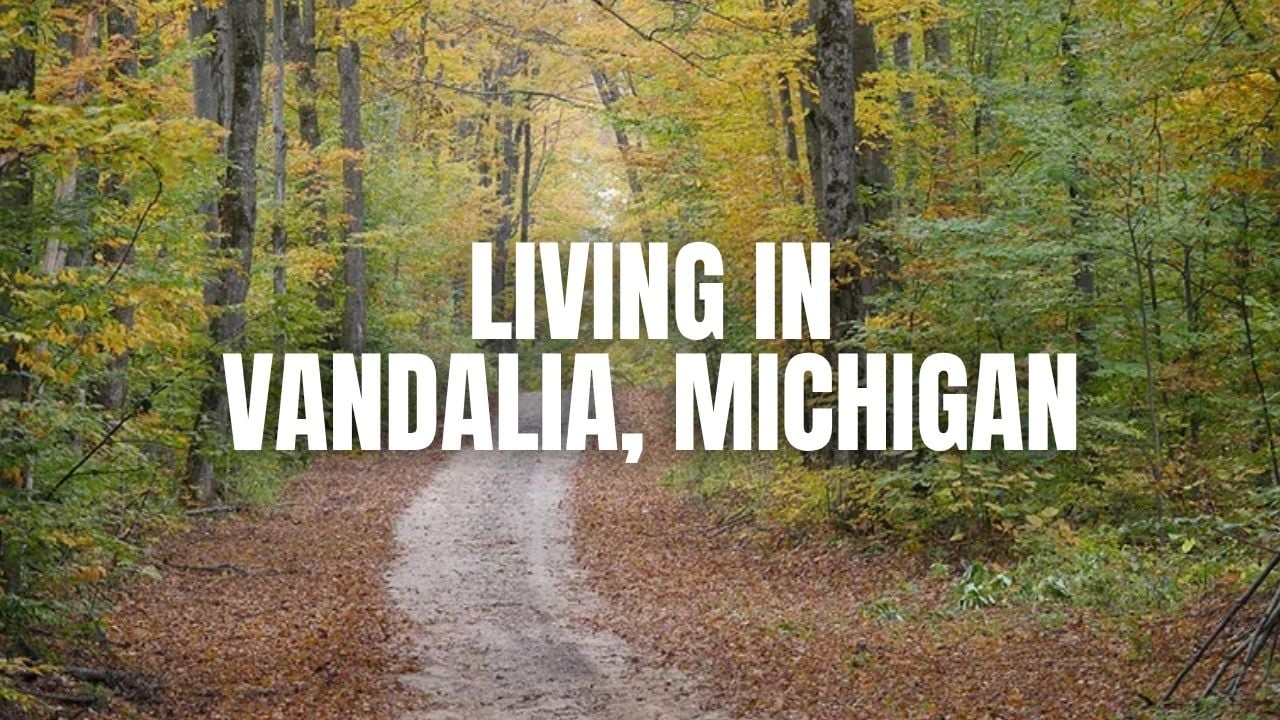
Vandalia, Michigan: Best Neighborhood Pockets + Pros/Cons for …
Vandalia, Michigan is an incorporated village of…
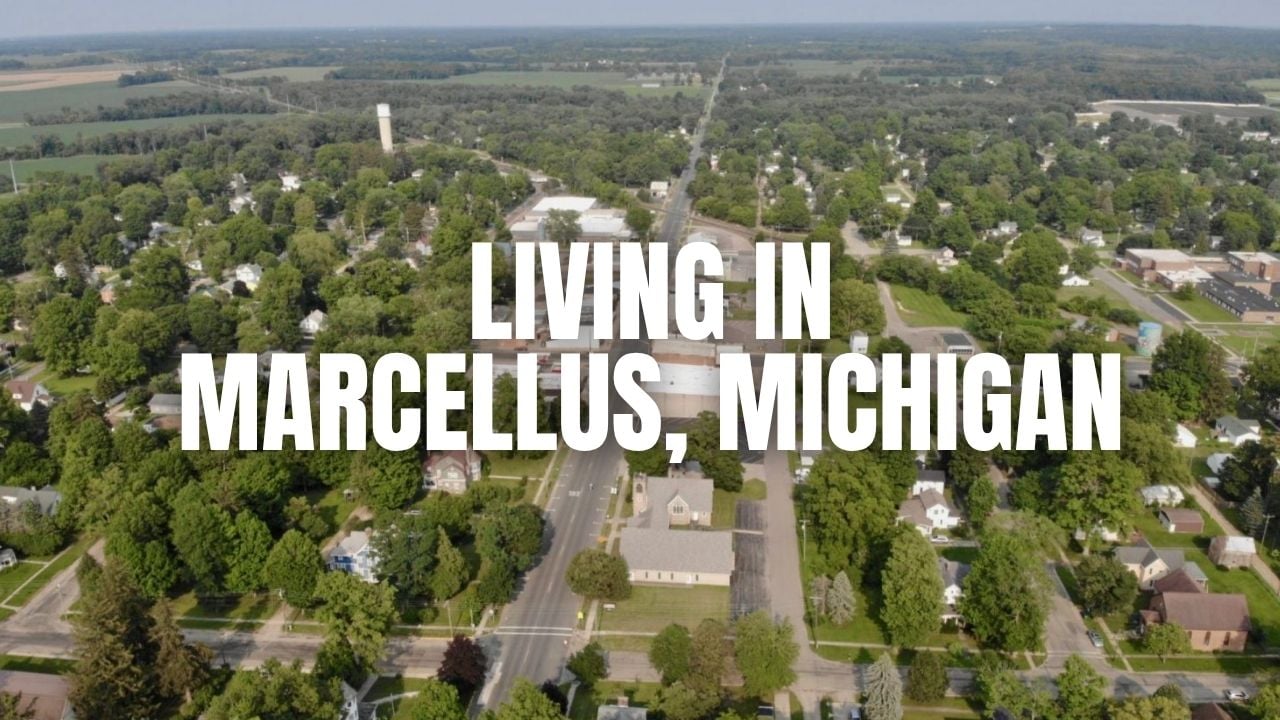
Marcellus, Michigan: What It’s Like to Live Here …
Marcellus, Michigan is a small village in…