
Introduction
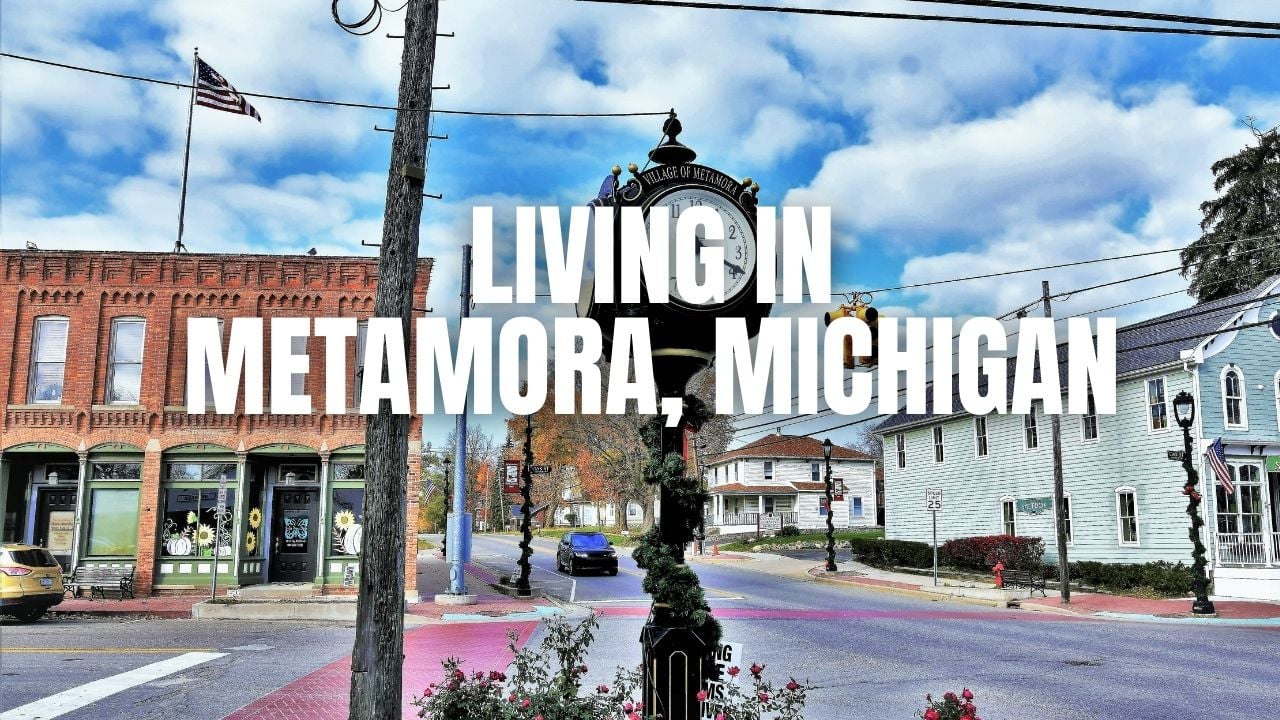
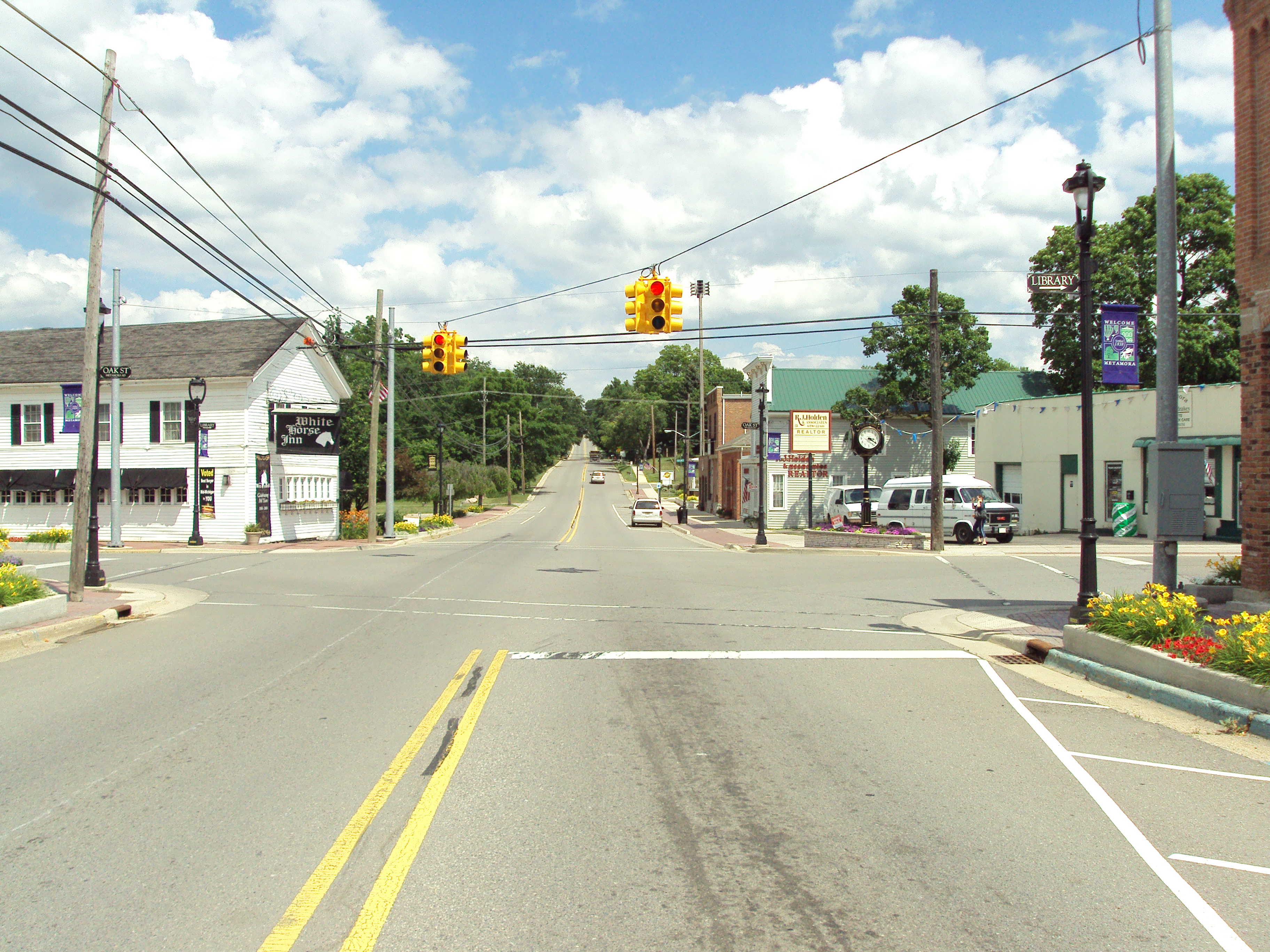
Metamora, Michigan is one of those places where you’ll notice the quieter pace almost immediately. Located in Lapeer County, this small village and surrounding township offer open space, scenic landscapes, and a strong connection to Michigan’s rural heritage.
Many people consider Metamora when they’re looking for larger properties, fewer densely packed subdivisions, and access to outdoor recreation. At the same time, it’s still within driving distance of employment centers in Metro Detroit, Flint, and surrounding communities.
If you’re thinking about moving to Metamora, this guide will walk through housing, cost of living, schools, property taxes, and everyday lifestyle so you can better understand what to expect.
Cost of Living in Metamora, Michigan
Cost of living in Metamora is largely influenced by housing and transportation costs.
According to the U.S. Census Bureau, housing in rural communities like Metamora often consists of detached single-family homes on larger lots, which can vary widely in price depending on acreage and home size.
BestPlaces.net reports that Lapeer County’s overall cost of living index is below the national average, particularly in housing.
Utilities and transportation costs generally align with statewide averages. The Bureau of Labor Statistics reports that housing and transportation are the largest expense categories for most households in the Midwest.
Because Metamora is more rural, most errands and commuting require driving, which can affect transportation costs depending on distance.
Real Estate & Housing Overview
Metamora’s housing market is known for its variety of property sizes and rural character.
According to U.S. Census Bureau housing data:
Most homes are detached single-family residences
Many properties sit on larger lots compared to suburban areas
Housing stock ranges from mid-century homes to newer custom builds
Common home types include:
Ranch-style homes
Traditional two-story homes
Custom-built homes on acreage
Newer homes in smaller residential developments
MLS listings in the area typically show lower inventory levels than larger suburban markets, which is common in rural areas.
Some equestrian-style properties and homes with acreage are also present, reflecting the township’s rural environment.



Is Volinia Township, Michigan a Good Place to …
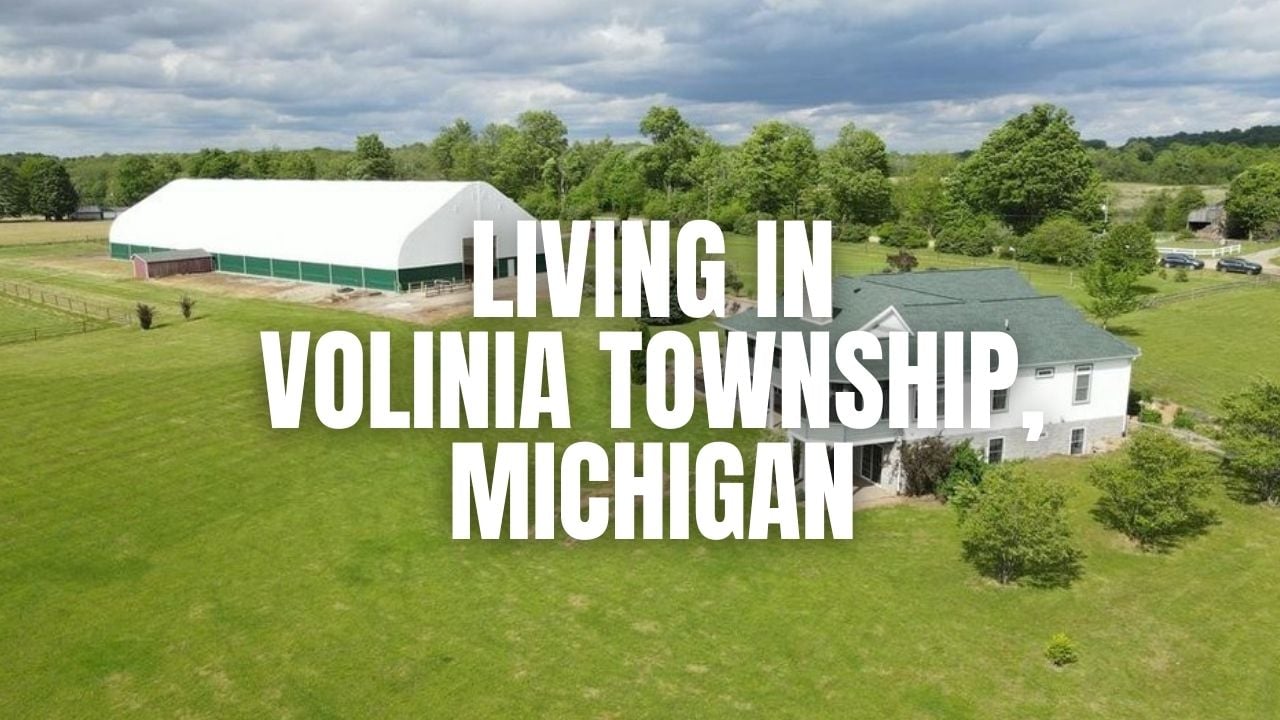
Volinia Township, Michigan is one of Cass…
Moving to Silver Creek Township, Michigan? What to …
Silver Creek Township, Michigan is where Cass…
Living in Porter Township (Cass County), Michigan: Pros, …
Porter Township, Michigan is a lake-studded rural…