
Moving to Portage, Michigan? What to Know About Homes, Schools, Commutes & Lifestyle

Introduction

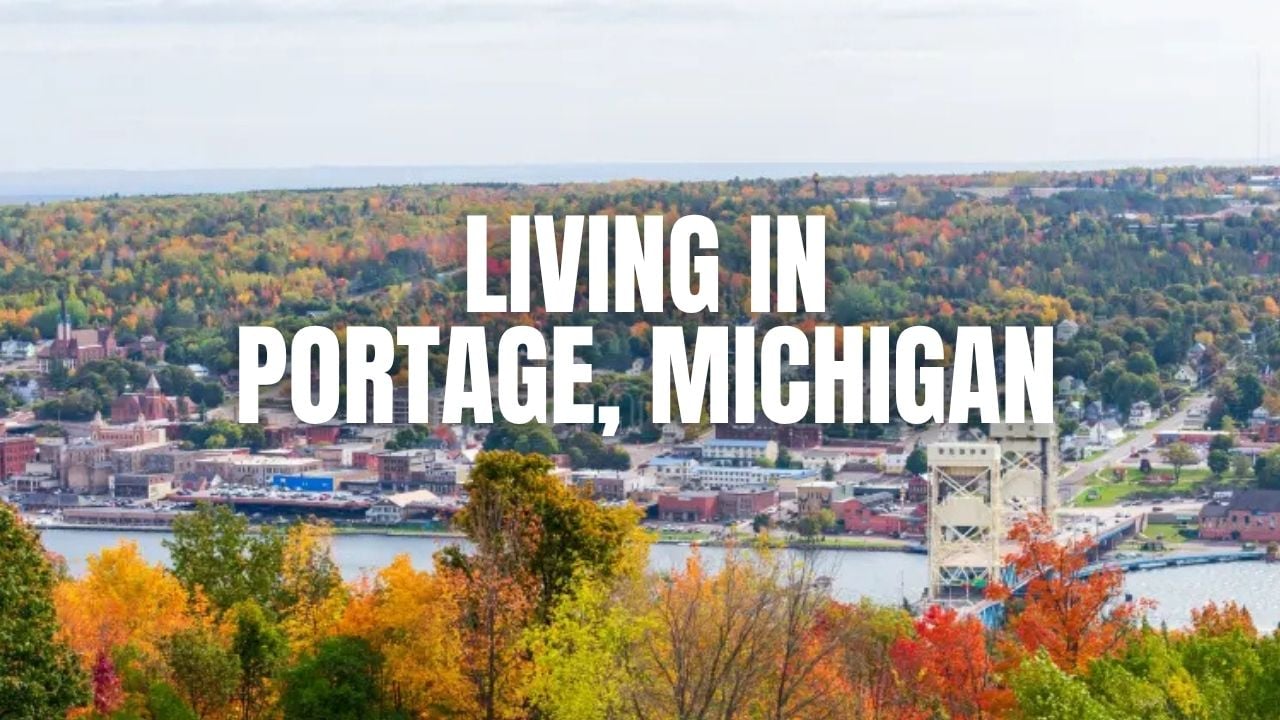
If someone asked you to design the ideal Midwest suburb from scratch, there's a decent chance you'd end up with something that looks a lot like Portage, Michigan. Good schools? Check. Green space woven throughout the city? Check. Solid housing market without the sticker shock of bigger metro areas? Check. Low commute times? Check. Easy highway access? Double check.

Portage isn't flashy. It doesn't lead with tourist attractions or sky-high rankings on lists built around nightlife. What it does consistently well is the fundamentals: it's clean, it's well-run, its parks system is genuinely excellent, its school district routinely earns top marks in the state, and its housing offers a range of price points that feel, frankly, refreshing compared to markets on either coast — or even other parts of Michigan.

At approximately 49,015 residents per the U.S. Census Bureau's 2019–2023 American Community Survey 5-year estimates, Portage is the second-largest city in Kalamazoo County and a major anchor of the Kalamazoo-Portage metropolitan area. It sits directly south of the City of Kalamazoo, functioning as the area's most prominent suburban community. And if you're seriously looking at the Southwest Michigan market, Portage keeps coming up in searches for good reason.
Search For All Homes For Sale
See My Home's Current Value

Where Is Portage, Michigan Located?

Portage is a city in Kalamazoo County in the southwestern portion of Michigan's Lower Peninsula. It is located directly south of and adjacent to the City of Kalamazoo, sharing no buffer zone to speak of — the two cities essentially flow into one another. According to U.S. Census Bureau data, Portage covers approximately 32.3 square miles, making it a substantial-footprint city for the region.

The locational advantage here is real. Interstate 94 — the major east-west corridor connecting Chicago and Detroit — passes through the Portage/Kalamazoo area, making Portage a genuine mid-distance option between two of the Midwest's largest cities. Chicago is approximately 140 miles west; Detroit is approximately 145 miles east. US-131 runs north-south through the area, providing access to Grand Rapids approximately 50 miles to the north and Indiana to the south.

For daily commuters, Portage's positioning is a key selling point. The mean travel time to work for Portage residents is approximately 19.5 minutes, per U.S. Census Bureau ACS 2023 five-year estimates — a figure that is roughly 20% lower than the statewide Michigan average of 24.4 minutes, per Census Reporter. That short commute time is a tangible quality-of-life benefit in a region where most employment destinations are in the nearby Kalamazoo-Portage metro, not hours away.

The Kalamazoo/Battle Creek International Airport (AZO) is approximately 15 miles east of Portage, providing commercial air service. Amtrak's Wolverine line stops in Kalamazoo, accessible within minutes from Portage, providing passenger rail service to Chicago and Detroit.

Cost of Living in Portage, Michigan

Portage consistently earns strong marks for affordability relative to national benchmarks. According to BestPlaces.net, Portage has a cost of living score of 87.7 — meaning the total cost of housing, food, childcare, transportation, healthcare, and other necessities runs approximately 12.3% below the U.S. average. BestPlaces.net notes that Portage's cost of living runs approximately 4.2% higher than the Michigan state average, per the same source — positioning it as slightly above-average within the state, but still well below what most buyers are accustomed to if relocating from major metro areas.

According to the U.S. Census Bureau's 2019–2023 ACS five-year estimates, the median household income in Portage is approximately $79,529 — approximately 10% above both the Kalamazoo-Portage metro median of $70,525 and the Michigan state median of $71,149, per Census Reporter. Per capita income is approximately $45,616. The poverty rate in Portage is approximately 7.5%, well below the county and state averages of approximately 13%, per the same Census Reporter source.

On housing specifically, city-data.com reports an estimated median home value in Portage of approximately $268,756 as of 2023. Mean prices across all housing units are approximately $308,247, per the same source. According to Zillow, the current average home value in Portage is approximately $276,076, reflecting 1.6% appreciation over the prior year. Median gross rent is approximately $1,129 per month, per city-data.com.

Compared to national housing norms, Portage remains affordable. According to AreaVibes, housing costs in Portage run approximately 6% below the national average. PayScale's cost of living data indicates housing expenses in Portage are roughly 21% below the national average, with utilities approximately 3% below and grocery prices approximately 3% below national norms. Healthcare costs are also approximately 11% below the national average, per PayScale.

For buyers relocating from markets like Chicago, Grand Rapids, Ann Arbor, or coastal cities, the overall cost-of-living profile of Portage is typically a significant positive.

Real Estate & Housing Overview in Portage, Michigan

Housing Market Overview in Portage

The Portage housing market is characterized by consistent demand, moderate-to-competitive conditions, and a relatively suburban-style inventory with strong variety across price points. According to Redfin, the market is described as "somewhat competitive," with homes typically selling in approximately 16 days on the market — a relatively fast pace indicating active buyer activity. Inventory levels vary seasonally, and homes in popular price ranges tend to attract multiple interested parties. Buyers researching homes in Portage, MI should monitor current listings on Realtor.com, Redfin, Zillow, or Trulia for the most accurate and timely picture of available inventory and pricing.

Types of Homes in Portage

Portage offers a broad and diverse housing inventory that reflects its development timeline from the 1950s through the present day. Postwar ranches and split-levels are common in the city's established neighborhoods. Colonial-style homes, Cape Cods, and two-story traditional properties are prevalent throughout mid-tier and move-up segments. The city also features a meaningful new construction presence, with active subdivisions and newer developments — particularly on the city's southern and western edges. Condominiums and townhomes are available in various parts of the city, particularly in areas near the City Centre corridor and established commercial nodes. Waterfront or near-water properties exist near several of the city's parks and the Portage Creek corridor. The overall housing stock is well-maintained and reflects a community that has invested consistently in its residential infrastructure.

Price Range & Affordability (Evergreen Style)

Homes in Portage, Michigan span a wide range of price points, from entry-level options to higher-priced move-up and newer construction properties. According to Zillow, the average home value in Portage is approximately $276,076. Redfin reports a median sale price of approximately $283,000 in a recent monthly reporting period, though individual transaction prices vary widely. According to Rocket Homes data, median sold prices in Portage Township have tracked in the upper-$280,000s to low-$290,000s range in recent periods.

Relative to the broader Michigan market, Portage prices are above the statewide median but below higher-cost markets like Ann Arbor, Grand Rapids, or Traverse City. Compared to lower-cost Kalamazoo city neighborhoods, Portage commands a meaningful premium that reflects the city's school district, park system, and overall community investment. More updated, larger, or newly constructed properties in Portage tend to command the upper range of local pricing, per general market patterns visible on Redfin, Zillow, and Realtor.com. Entry-level options are available but tend to move quickly in the Portage market. For current pricing on homes in Portage, MI, Realtor.com, Redfin, Zillow, and Trulia are the recommended starting points.

Property Taxes & Ownership Costs

Michigan's property tax system is millage-based, and Portage stands out within Kalamazoo County for having one of the lowest homestead millage rates in the region. According to the Kalamazoo County Equalization Department's 2024 millage rate schedule, the City of Portage with the Portage School District carries a homestead (owner-occupied, principal residence) millage rate of approximately 35.2 mills — significantly lower than the City of Kalamazoo with Kalamazoo Public Schools (approximately 68.5 mills) and lower than many other Kalamazoo County municipalities. The non-homestead rate for Portage/Portage Schools is approximately 52.8 mills, per the same source.

As with all Michigan real estate, buyers must account for Proposal A's uncapping provision: when a home changes ownership, the taxable value resets toward market value the following year, which can materially increase a new buyer's annual property tax bill compared to what the current owner pays. Running your numbers before purchasing is essential, using the State of Michigan's property tax estimator at michigan.gov/taxes/property/estimator.

According to city-data.com, the median real estate property taxes paid by Portage homeowners with a mortgage in 2023 were approximately $3,955 — a useful general benchmark, though individual bills vary significantly by taxable value and school district.

Market Segments & Buyer Activity (Neutral Language)

The Portage housing market reflects activity across multiple segments. Entry-level demand is present, particularly given the relatively short supply of homes priced at the lower end of the local range. Move-up demand — for larger, more updated, or better-located properties — is a consistent driver of activity in Portage, reflecting the community's strong appeal as a long-term residence option. New construction interest is active in Portage; the city's suburban footprint still has areas where new subdivisions and development are occurring, particularly toward the city's southern edges. Low-maintenance housing options such as condominiums and townhomes attract demand from buyers seeking smaller-footprint living without sacrificing location quality.

New Construction & Development Trends

Unlike some of the fully built-out communities in the Kalamazoo area, Portage retains land for new residential development in select areas. Active new construction is present in the southern and western portions of the city, where newer subdivisions continue to add to Portage's housing stock. The City Centre area has also seen commercial and mixed-use investment that complements residential growth. Per city-data.com, Portage has a more diverse housing vintage than neighboring Parchment — with a meaningful share of homes built in the 1980s, 1990s, and 2000s, alongside continued new construction in the 2010s and beyond. Buyers specifically seeking new construction in Portage, MI should review current listings on Realtor.com, Redfin, Zillow, or Trulia and filter by build year for the most current options.

What It's Like to Own a Home Here

Owning a home in Portage comes with the expectations typical of a well-developed suburban community. Lot sizes vary from modest to generous depending on neighborhood vintage and location — newer subdivisions often feature more standard suburban lot sizes, while older established neighborhoods may have larger lots. HOA situations are mixed: some newer developments and condominium communities include homeowner associations with fees and covenants, while the majority of the city's older single-family neighborhoods are HOA-free. The city's parks system, well-maintained road network, and municipal services are consistently highlighted by residents as quality-of-life differentiators. Michigan's four-season climate means that ownership involves seasonal maintenance considerations — roofs, HVAC systems, and drainage are all relevant to Portage's older housing stock. Newer construction properties have reduced short-term maintenance concerns.

Pros & Cons of the Housing Market in Portage

Pros:

  • Average home values (~$276,076, per Zillow) are below the national average and provide value relative to higher-cost Michigan markets
  • Homestead millage rate of approximately 35.2 mills — among the lowest in Kalamazoo County, per the Kalamazoo County Equalization Department's 2024 data — makes ownership costs more manageable relative to city neighbors
  • Broad inventory variety from entry-level to move-up and new construction
  • Active new construction presence provides options for buyers seeking newer builds in Portage, MI
  • Strong location advantages: direct I-94 and US-131 access, short commute times, proximity to Kalamazoo's full amenity base

Cons:

  • Portage prices run above the Kalamazoo city average and above some surrounding communities — buyers on tighter budgets may find inventory thinner at the lower end
  • Redfin data shows the market is "somewhat competitive," meaning desirable properties don't sit long — buyers need to be prepared to act
  • Median property taxes paid by Portage homeowners with mortgages run approximately $3,955/year, per city-data.com, which is meaningful on a percentage basis for lower-priced properties
  • Michigan's Proposal A uncapping rule can significantly increase a new buyer's tax bill compared to the prior owner's — running estimates before purchase is essential
  • Some older housing stock in established neighborhoods will require updating or system replacement

If you're considering a move to Portage and want to better understand how the housing market fits your budget and goals, reviewing current listings on Realtor.com, Redfin, Zillow, or Trulia — and running property-specific numbers — can help you make a more informed decision.
Portage

Property Taxes in Portage, Michigan

Property taxes in Portage — and throughout Michigan — are based on a millage system. One mill equals $1 for every $1,000 of taxable value.

Michigan operates under Proposal A (passed in 1994), which is one of the most important things to understand if you're buying a home here. This law caps how much your taxable value can increase each year, typically at the rate of inflation. In simple terms, this protects long-term homeowners from dramatic spikes in property taxes — even if home values rise significantly.

However, there's one key moment where this changes.

What Happens When You Buy a Home?
When a property transfers ownership, the taxable value typically "uncaps" the following year and resets closer to the home's current market value. This means your property taxes may be significantly higher than what the current owner is paying. That's why it's critical to estimate your taxes before you buy.

One of the genuine advantages of buying in Portage is its relatively low homestead millage rate. According to the Kalamazoo County Equalization Department's 2024 millage rate schedule, the City of Portage with the Portage School District carries a homestead millage rate of approximately 35.2 mills — one of the lowest rates among the cities and townships in Kalamazoo County, and substantially lower than the City of Kalamazoo's rate of approximately 68.5 mills. Even with the uncapping effect at purchase, buyers in Portage often come out in a better overall property tax position than buyers at comparable price points in neighboring Kalamazoo.

How to Estimate Property Taxes in Portage
The State of Michigan provides a free estimator here:
https://www.michigan.gov/taxes/property/estimator

To get a realistic high-end estimate, follow this method:

  • Select: County / City / School District (City of Portage / Portage School District)
  • For State Equalized Value (SEV): Use approximately 50% of the home's list price
    (This simulates the post-sale taxable value after uncapping)
    This will give you a strong estimate of your future property taxes.

Pro Tip:

  • Look at a current listing's SEV for a lower estimate
  • Use the 50% rule for a higher estimate
  • Plan for the worst, hope for the best

Want to Calculate It Manually?
You can estimate property taxes using this formula:
(Taxable Value × Millage Rate) ÷ 1,000 = Annual Property Taxes

Example:
$138,000 taxable value (50% of a $276,000 home) / 35.2 mills (City of Portage / Portage Schools homestead rate)
→ ($138,000 × 35.2) ÷ 1,000 = $4,858/year

Important Disclaimers About the Estimator
The Michigan property tax estimator is extremely helpful, but there are a few important notes:

  • Millage rates are based on those levied and billed in the prior year
  • Rates include the 1% property tax administration fee
  • Rates include special assessments levied on a millage basis and applied across entire townships, cities, or villages
  • Rates may also include certain police, fire, or emergency service millages applied broadly across a township (excluding villages in some cases)
  • Rates do not include all special assessments, which may vary by property
  • In some areas, community college millages vary depending on exact property location, and the database may only reflect one rate
  • Some properties transferred between school districts may have split millages not fully represented
  • Note: portions of the City of Portage fall within Comstock, Vicksburg, and Schoolcraft school districts, per the City of Portage's official website — rates vary accordingly

You can view updated millage rates here:
https://www.michigan.gov/taxes/property/estimator/related/millage-rates

Bottom Line
Property taxes in Portage can vary depending on the exact location, school district, and timing of ownership transfer. Portage's homestead millage rate is among the most favorable in Kalamazoo County — but the uncapping rule still matters, and every buyer should run property-specific estimates before purchasing. If you're unsure how this applies to a specific home, it's always worth running the numbers ahead of time — or reaching out for guidance.

Things to Do & Lifestyle in Portage, Michigan

One of the things that continues to surprise people who are moving to Portage, Michigan for the first time is the depth of its park system. The city maintains 20 individual parks throughout its footprint, per the City of Portage's official Parks & Amenities page (portagemi.gov) — a figure that translates into a genuinely active outdoor lifestyle without ever needing to leave the city limits.

The crown jewel of the system is Portage Creek Bicentennial Park — a linear park spanning over 200 acres that runs between the City Centre area and the northern city limits at Kilgore Road, per the City of Portage's official park page. The park's backbone is a 3.5-mile paved multi-use trail, and in total the park offers over 8 miles of hiking and biking trails winding through a mix of shaded woodlands, open meadows, and Portage Creek corridor scenery. According to AllTrails.com, the Portage Creek Bicentennial Trail has earned a 4.7-star rating from over 700 community reviews — a rare score for an urban trail. The park is plowed in winter for year-round use, per the City of Portage Parks & Recreation department.

The park system is also notable for the Celery Flats Historical Area — a preserved historic district within Portage Creek Bicentennial Park featuring an 1846-era manor, an 1856 one-room schoolhouse, an original 1931 grain elevator, and the Hayloft Theatre, per the City of Portage's official website. Summer festivals and living history programming bring the area to life seasonally.

Beyond Portage Creek, the city's parks include Bishop's Bog Preserve, a natural area protecting a rare bog ecosystem; Eliason Nature Reserve and West Lake Nature Preserve, which offer cross-country skiing and snowshoeing in winter, per the City of Portage Parks page; Millennium Park with its seasonal ice rink; and Central Park, which hosts outdoor concerts at the Overlander Bandshell.

The city's bikeway network connects neighborhoods, parks, schools, and commercial areas throughout Portage, per TrailLink's documentation of the Portage Bikeway system. The network links to the broader Kalamazoo area trail infrastructure including the Kalamazoo River Valley Trail's 24-mile paved corridor.

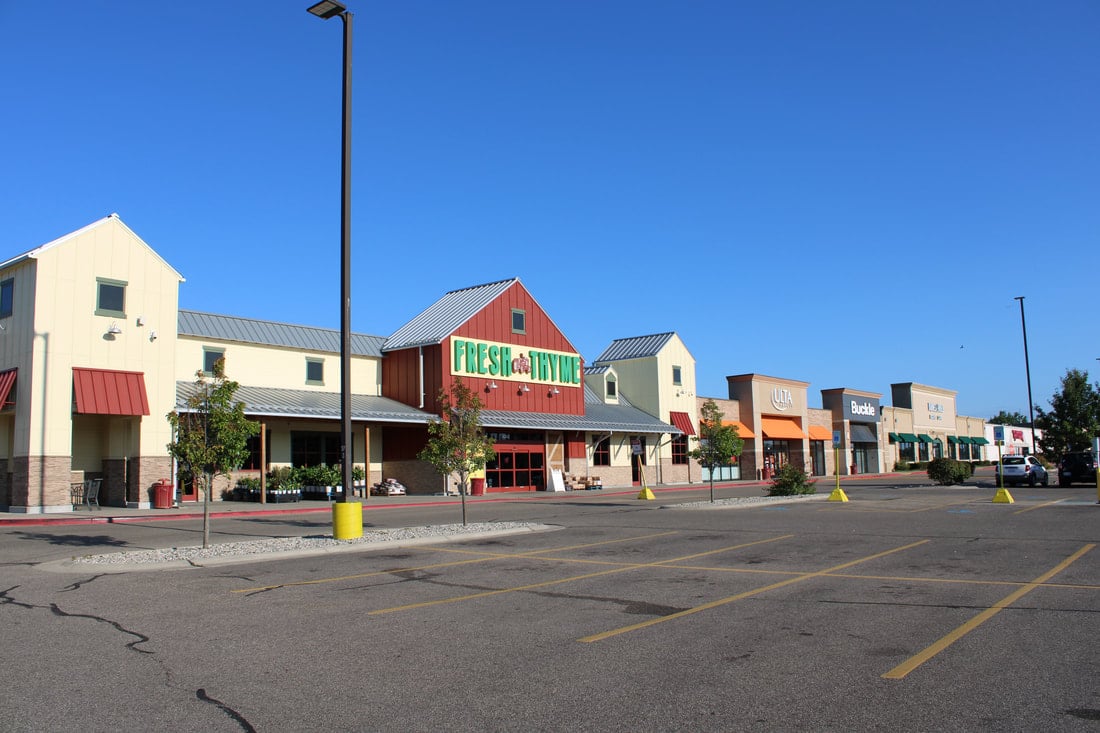
On the commercial side, Portage's retail and restaurant landscape along Westnedge Avenue and South Westnedge is dense and convenient — the area has a strong concentration of national and regional restaurants, grocery stores, healthcare facilities, and retail that serves the broader Kalamazoo metro. The Crossroads Mall and ancillary commercial corridors round out Portage's role as a primary retail hub for the region.

For access to arts and culture — live music, theater, galleries, and the monthly Art Hop — downtown Kalamazoo is approximately 5 miles north, easily accessible for residents who want the walkable urban experience without paying urban prices for their home.

Schools & Education in Portage, Michigan

Schools are frequently cited as one of the primary reasons people choose to live in Portage, Michigan, and the data backs up the reputation. The primary district serving the majority of Portage is Portage Public Schools (PPS), which serves approximately 8,514 students across 14 schools in grades PK through 12, per Niche.com. The district maintains a student-teacher ratio of 20 to 1, per the same source.

According to Niche.com, Portage Public Schools is a "highly rated" school district, with approximately 45% of students testing at or above proficiency in math and 59% in reading — metrics that run notably above the Kalamazoo Public Schools district and above many Michigan districts generally. The district earns an overall grade of A on Niche.com's district-level evaluation.

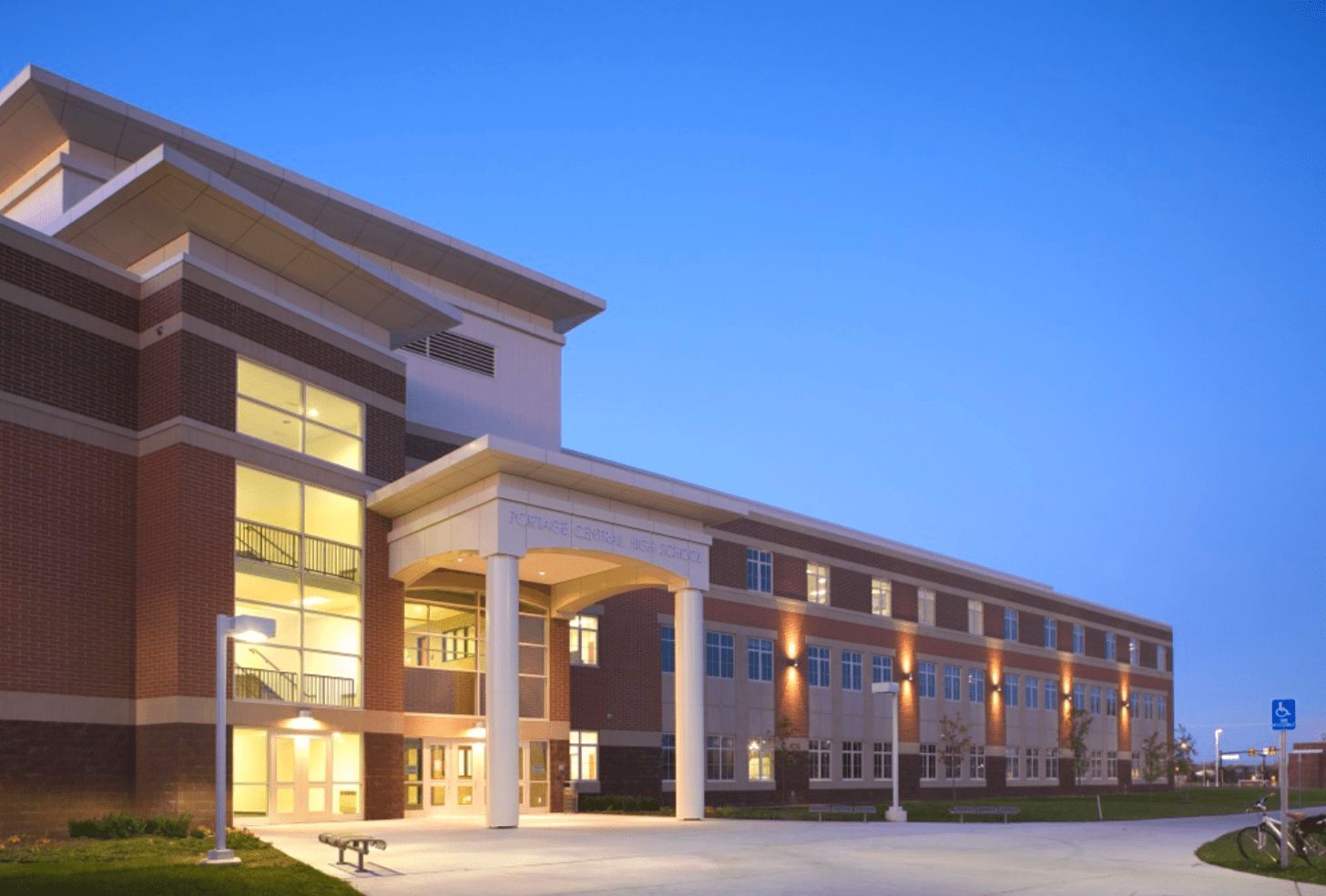
At the high school level, the district operates two comprehensive high schools. Portage Central High School earns an A grade on Niche.com and a 9/10 rating from GreatSchools.org, per Homes.com's school data. The school has a graduation rate of 98%, a mean GPA of 3.58, and average standardized test scores of 1240 SAT / 28 ACT, per Homes.com. GreatSchools.org notes that Portage Central is performing above average compared to public and charter schools in Michigan at the same grade levels, and has earned five College Success Awards since the 2017–18 school year, including the most recent 2024–25 award. Portage Northern High School earns a Niche grade of A and a 9/10 rating from GreatSchools.org, per Homes.com, with a graduation rate of 95%, mean GPA of 3.56, and average scores of 1220 SAT / 28 ACT.

Niche ranks Portage Northern among the top 40 public high schools in Michigan (#40) and Portage Central among the top 45 (#45), per Niche.com's school rankings. At the middle school level, West Middle School earns an A grade on Niche, ranked #45 among Michigan public middle schools. At the elementary level, multiple PPS schools earn A or A-minus grades on Niche, with Lake Center Elementary ranked #273 among Michigan's public elementary schools and Moorsbridge Elementary ranked #159.

It's worth noting that portions of the City of Portage fall within other school districts including Comstock, Vicksburg, and Schoolcraft, per the City of Portage's official website. Buyers should confirm which school district applies to any specific property before purchasing.

Current district ratings and boundary information are available at GreatSchools.org and Niche.com. Prospective residents should also contact Portage Public Schools directly at portageps.org for the most current enrollment and program details.

Portage school

Pros & Cons of Living in Portage, Michigan

Pros:

  • Cost of living is approximately 12.3% below the U.S. average, per BestPlaces.net
  • Median household income of approximately $79,529, per U.S. Census Bureau ACS 2023 — approximately 10% above the county and state medians, per Census Reporter
  • Homestead millage rate of approximately 35.2 mills — among the lowest in Kalamazoo County — per the Kalamazoo County Equalization Department's 2024 data
  • Portage Public Schools earns an A on Niche.com with both high schools rated 9/10 on GreatSchools.org, per Homes.com — among the top school districts in Southwest Michigan
  • 20 individual parks managed by the city, including the 200-acre Portage Creek Bicentennial Park with over 8 miles of trails, per the City of Portage's official website
  • Mean commute time of approximately 19.5 minutes — roughly 20% lower than the Michigan state average, per Census Reporter
  • Direct access to I-94 and US-131; positioned approximately midway between Chicago and Detroit
  • Active new construction market providing options for buyers seeking newer builds
  • 48.4% of residents hold a bachelor's degree or higher — above both county and state averages, per Census Reporter

Cons:

  • Home prices in Portage run above the Kalamazoo city median and above some surrounding communities — buyers at entry-level price points face a more limited inventory
  • According to Redfin, the market is "somewhat competitive" — desirable homes move in approximately 16 days, leaving little time for deliberation
  • Portage's cost of living runs approximately 4.2% above the Michigan state average, per BestPlaces.net — it's affordable nationally, but slightly above-average within the state
  • The city has limited independent downtown or commercial character of its own — cultural programming and walkable urban amenities require a short trip into Kalamazoo
  • Like all Michigan communities, Portage experiences genuine winters — lake-effect influence means meaningful snow accumulation and cold temperatures for a significant portion of the year
  • Median property taxes with a mortgage run approximately $3,955/year, per city-data.com — buyers should model post-purchase tax bills using the Michigan property tax estimator before finalizing any purchase decision

Frequently Asked Questions About Living in Portage, Michigan

Is Portage, Michigan a good place to live?
Portage consistently earns strong livability marks from multiple independent sources. Niche.com gives Portage an overall grade of A and describes it as "one of the best places to live in Michigan." The combination of strong schools, extensive parks, affordable housing relative to national standards, low commute times, and sound municipal services make it a high-performing suburban community by most measurable criteria.

What is the population of Portage, Michigan?
According to the U.S. Census Bureau's 2019–2023 ACS five-year estimates, the population of Portage is approximately 49,015 residents. Point2Homes's analysis of the same data also confirms this figure. The 2025 projected population is estimated at approximately 50,072, per Cubit Planning's projection based on U.S. Census Bureau data.

What is the cost of living in Portage, Michigan?
According to BestPlaces.net, Portage's cost of living score is 87.7 — approximately 12.3% below the U.S. national average. Housing, healthcare, utilities, and groceries all run below national norms. PayScale reports housing costs in Portage are approximately 21% below the national average. The city runs approximately 4.2% above the Michigan state average, per BestPlaces.net.

What is the average home price in Portage, Michigan?
According to Zillow, the average home value in Portage is approximately $276,076. Redfin reported a median sale price of approximately $283,000 in a recent monthly period. Rocket Homes data has shown median sold prices in the upper-$280,000s to low-$290,000s range in recent reporting. Current prices can be verified on Realtor.com, Redfin, Zillow, or Trulia.

What are property taxes like in Portage, Michigan?
Portage has one of the most favorable homestead millage rates in Kalamazoo County. Per the Kalamazoo County Equalization Department's 2024 data, the City of Portage with the Portage School District has a homestead rate of approximately 35.2 mills and a non-homestead rate of approximately 52.8 mills. The median property tax paid by Portage homeowners with a mortgage is approximately $3,955 annually, per city-data.com. Michigan's Proposal A caps annual increases for existing owners, but taxable value uncaps when ownership transfers. Use michigan.gov/taxes/property/estimator to model your specific numbers before purchasing.

What school district serves Portage, Michigan?
The primary district is Portage Public Schools, serving approximately 8,514 students across 14 schools (PK–12), per Niche.com. The district earns an A grade on Niche.com. Both Portage Central High School and Portage Northern High School earn a 9/10 from GreatSchools.org and an A from Niche.com. Note that portions of the City of Portage also fall within Comstock, Vicksburg, and Schoolcraft school districts, per the City of Portage's official website — district boundaries should be confirmed before purchasing any specific property.

How are Portage's schools ranked?
According to Niche.com, Portage Public Schools earns an A overall, with 45% of students proficient in math and 59% in reading. Portage Northern High School ranks #40 among Michigan public high schools and Portage Central High School ranks #45, per Niche.com's school rankings. Both high schools have earned GreatSchools 9/10 ratings, per Homes.com. GreatSchools.org has recognized Portage Central with five College Success Awards for preparing graduates for college success.

What is the Portage Creek Bicentennial Park?
Portage Creek Bicentennial Park is the flagship park in Portage's 20-park system. Spanning over 200 acres, it is a linear park running between the City Centre and the city's northern limits at Kilgore Road, connected by a 3.5-mile multi-use trail, per the City of Portage's official park page. In total the park includes over 8 miles of hiking and biking trails, the Celery Flats Historical Area, and access to Portage Creek. It is plowed in winter for year-round use. The Portage Creek Bicentennial Trail has a 4.7-star rating from over 700 AllTrails.com users.

How far is Portage from Kalamazoo?
Portage and Kalamazoo are directly adjacent — there is no gap between the two cities. Downtown Kalamazoo is approximately 4–5 miles from the core of Portage, a drive of approximately 10–15 minutes depending on origin point and traffic.

How far is Portage from Lake Michigan?
Portage is approximately 45–50 miles east of the Lake Michigan shoreline. Communities like South Haven and Saugatuck — with public beaches and lakefront amenities — are approximately 45–50 minutes by car, making them accessible for day trips, per general geographic data.

What major employers are near Portage, Michigan?
The Kalamazoo-Portage metro has a diverse employment base anchored by healthcare, manufacturing, education, and life sciences. Major employers include Stryker Corporation — whose global headquarters is in Portage — along with Bronson Methodist Hospital, Ascension Borgess, Western Michigan University, Kalamazoo Valley Community College, and other regional anchors. Per DataUSA, the largest employment sectors for Portage residents are Manufacturing (5,388 people), Health Care & Social Assistance (3,891 people), and Retail Trade (2,872 people).

Does Portage have good walkability or trails?
Portage is not a walkable urban environment in the traditional sense, but it has an exceptional multi-use trail and bikeway network for a suburban community. The Portage Creek Bicentennial Park trail system provides over 8 miles of paths, and the city's bikeway network connects to parks, schools, and commercial areas throughout Portage, per TrailLink and the City of Portage's official trail documentation. The network connects to the broader Kalamazoo River Valley Trail.

Is Portage a safe place to live?
Portage has a poverty rate of approximately 7.5%, well below the county and state averages of approximately 13%, per Census Reporter. For detailed, current crime statistics, prospective residents are encouraged to review the City of Portage's public safety data directly at portagemi.gov and cross-reference with current data on sources like NeighborhoodScout or the FBI's Crime Data Explorer for the most accurate and up-to-date figures.

To Conclude:

If you're looking to move to, from, or within the state of Michigan in one day or a million, I help people do just that and I love it as a Michigan Realtor. Please reach out anytime for help — I'm happy to be your go-to resource.

Question for You!

Portage has this rare combination of top-ranked schools, a standout parks system, low property taxes, and an easy commute to Kalamazoo — which one of those factors matters most to you when choosing where to live? Drop a comment below, I'd genuinely love to know what's driving your search!

Search For All Homes For Sale
See My Home's Current Value
living in michigan | andrew mcmanamon realtor

Andrew McManamon

Founder of Living In Michigan
Michigan Realtor®
[email protected]
Contact Us
www.LivinginMichigan.com

Check Out the EXCLUSIVE "Living In Michigan" Apparel HERELiving In Michigan apparel

Subscribe to the Living in Michigan Newsletter HEREliving in Michigan newsletter | michigan realtor |andrew mcmanamon realtor | living in michigan

Check out recent articles

Moving to Portage, Michigan? What to Know About …

Moving to Portage, Michigan? What to Know About …

Thinking about moving to Portage, Michigan? This…
Living in Parchment, Michigan: Pros, Cons, Cost of …

Living in Parchment, Michigan: Pros, Cons, Cost of …

Thinking about living in Parchment, Michigan? This…
Thinking About Kalamazoo, Michigan? A practical guide

Thinking About Kalamazoo, Michigan? A practical guide

Thinking about moving to Kalamazoo, Michigan? This…