Introduction
If you’re exploring smaller Michigan communities where housing is more accessible and the pace of life feels a bit calmer, Vassar, Michigan may appear on your radar.
Located in Tuscola County along the Cass River, Vassar offers historic homes, established neighborhoods, and close proximity to mid-Michigan employment hubs like Saginaw and Frankenmuth.
Many people consider Vassar for its affordability, small-city setting, and outdoor recreation nearby. Like any community, though, it comes with its own set of trade-offs. Here’s a closer look at what to expect if you’re thinking about living in Vassar.
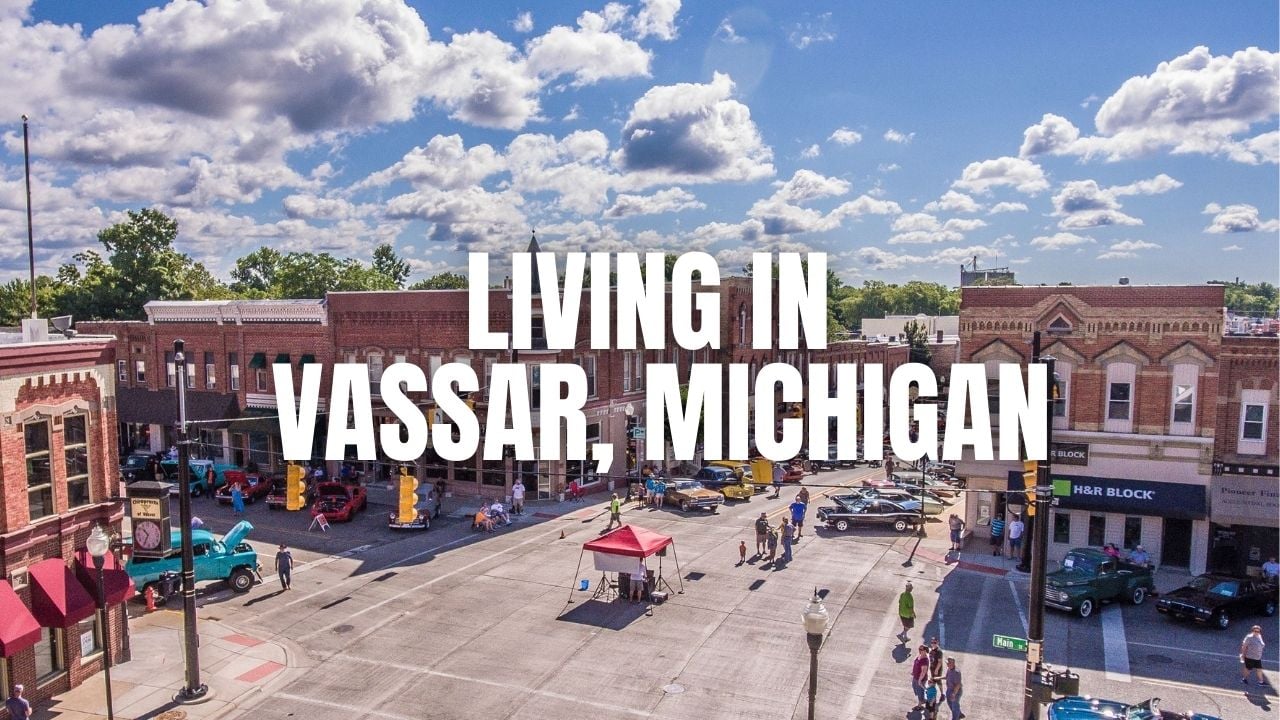
Cost of Living in Vassar, Michigan
Cost of living is one of the most common reasons people explore smaller cities like Vassar.
According to U.S. Census Bureau data, the median home value in Vassar is significantly lower than many parts of Michigan. Niche.com also notes that housing affordability is one of the city's key characteristics.
BestPlaces.net reports that the overall cost of living index in Vassar is below the national average.
Utilities and transportation expenses tend to follow regional averages for Michigan’s Midwest region, based on data from the Bureau of Labor Statistics.
For buyers comparing communities across Michigan, Vassar is often considered one of the more affordable housing markets in the region.
Real Estate & Housing Overview
Vassar’s housing market consists largely of established homes, with a mix of historic and mid-century properties.
According to U.S. Census Bureau housing data:
Many homes were built before 1970
Owner-occupied homes represent a large share of the housing market
Lot sizes are generally larger than those in dense suburban developments
Common housing styles include:
Historic two-story homes near downtown
Ranch-style homes built mid-century
Small residential subdivisions developed in the late 20th century
New construction is relatively limited compared with rapidly growing suburban communities, although some new homes have been built in surrounding rural areas.
Local MLS listings typically show a smaller number of homes on the market compared with larger Michigan cities.



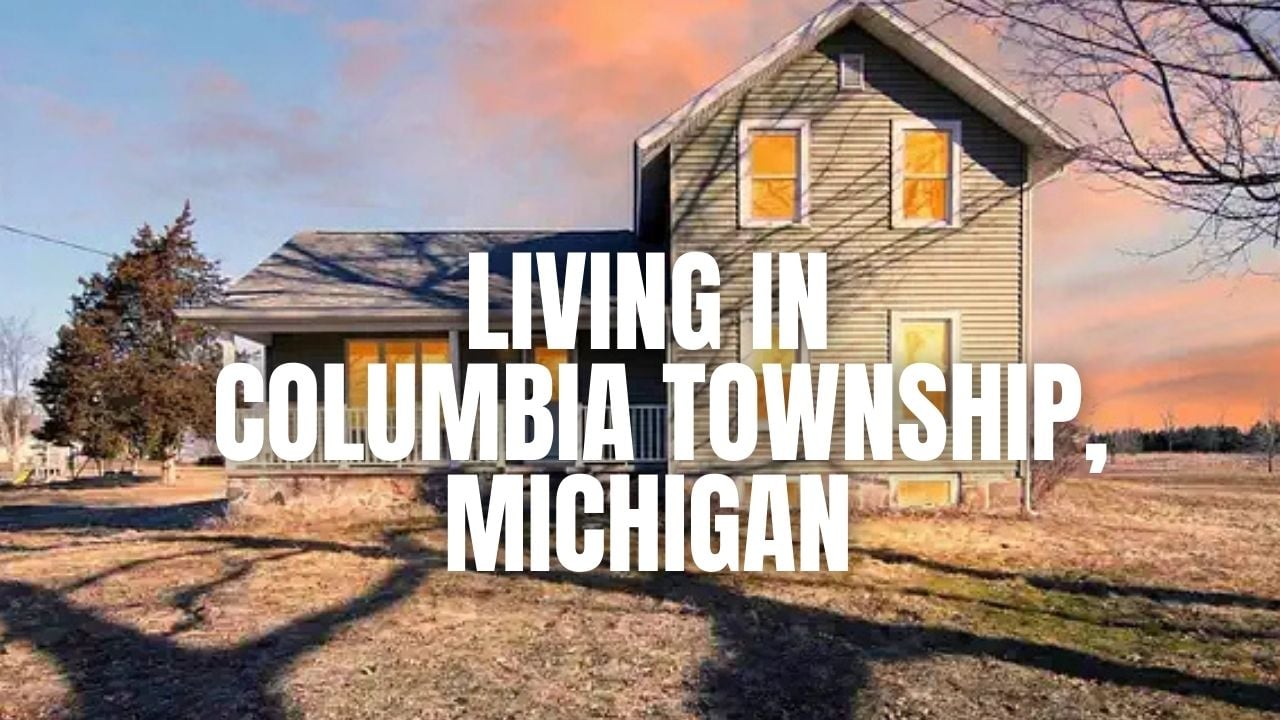
Before You Move to Columbia Township (Tuscola County), …
Considering a move to Columbia Township, Michigan…
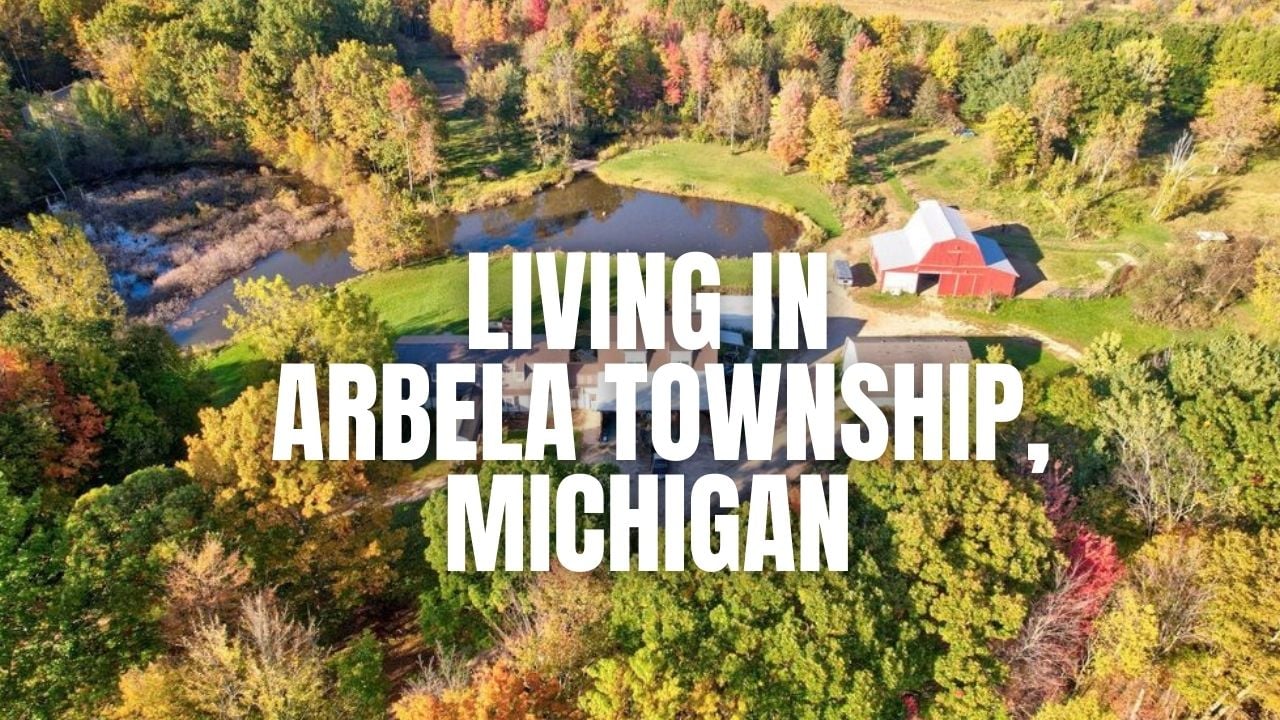
Arbela Township, Michigan Relocation Guide: Vibe, Housing, Amenities …
Considering a move to Arbela Township, Michigan?…
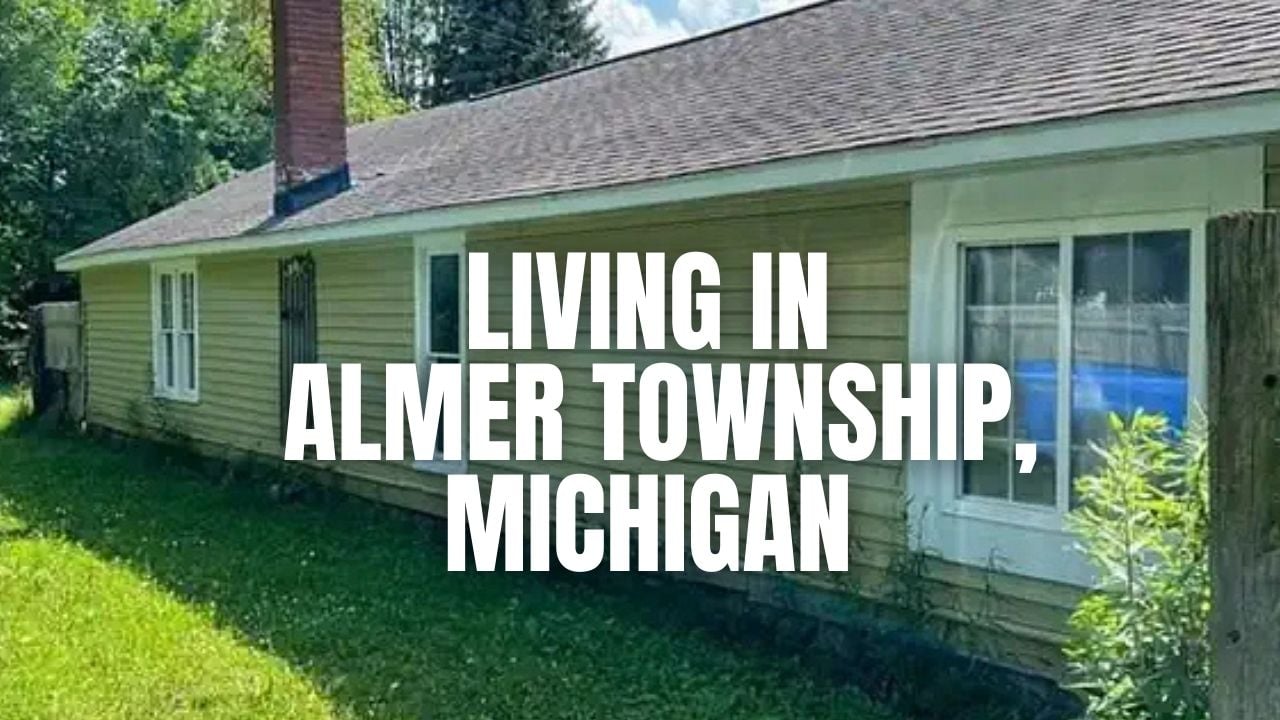
The Truth About Almer Township, Michigan: Neighborhoods, Prices, …
Thinking about moving to Almer Township, Michigan?…