Introduction
If you're exploring rural communities in Michigan’s Thumb region, Wells Township might be one of the places on your list.
Located in Tuscola County, Wells Township offers a quieter pace of life surrounded by farmland and open space. Many people consider moving here for the rural environment, larger land parcels, and proximity to nearby small towns.
However, rural living also comes with trade-offs such as longer drives for certain amenities. Let’s walk through what you should know about housing, property taxes, schools, commuting, and everyday life in Wells Township, Michigan.
Cost of Living in Wells Township, Michigan
Cost of living in Wells Township is generally lower than many suburban and urban areas in Michigan.
According to data from the U.S. Census Bureau and BestPlaces.net, rural communities in Tuscola County often have lower housing costs compared with statewide averages.
Niche.com also notes that housing costs in many Thumb-region communities tend to be more affordable than in larger metropolitan areas.
Utility and transportation costs may vary depending on property size and commuting distance. The Bureau of Labor Statistics reports that transportation costs can make up a larger share of household spending in rural regions where driving is necessary.
Because Wells Township is primarily rural, many homes are located on larger parcels, which can influence property maintenance costs and utility usage.
Real Estate & Housing Overview
The housing landscape in Wells Township is largely rural and spread out.
According to U.S. Census Bureau housing data:
Many homes were built between the 1940s and 1980s
Owner-occupied housing represents a large portion of residences
Properties often include acreage or agricultural land
Common property types include:
Farmhouses
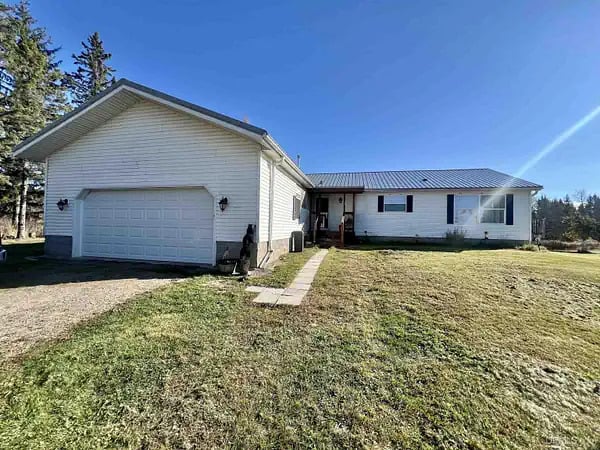
Ranch-style homes
Manufactured homes on rural lots
Homes with agricultural land or outbuildings
New residential construction occurs occasionally but at a slower pace compared to urbanizing regions of Michigan.
Local MLS data for Tuscola County indicates that rural property values can vary significantly depending on acreage, home condition, and proximity to nearby towns.



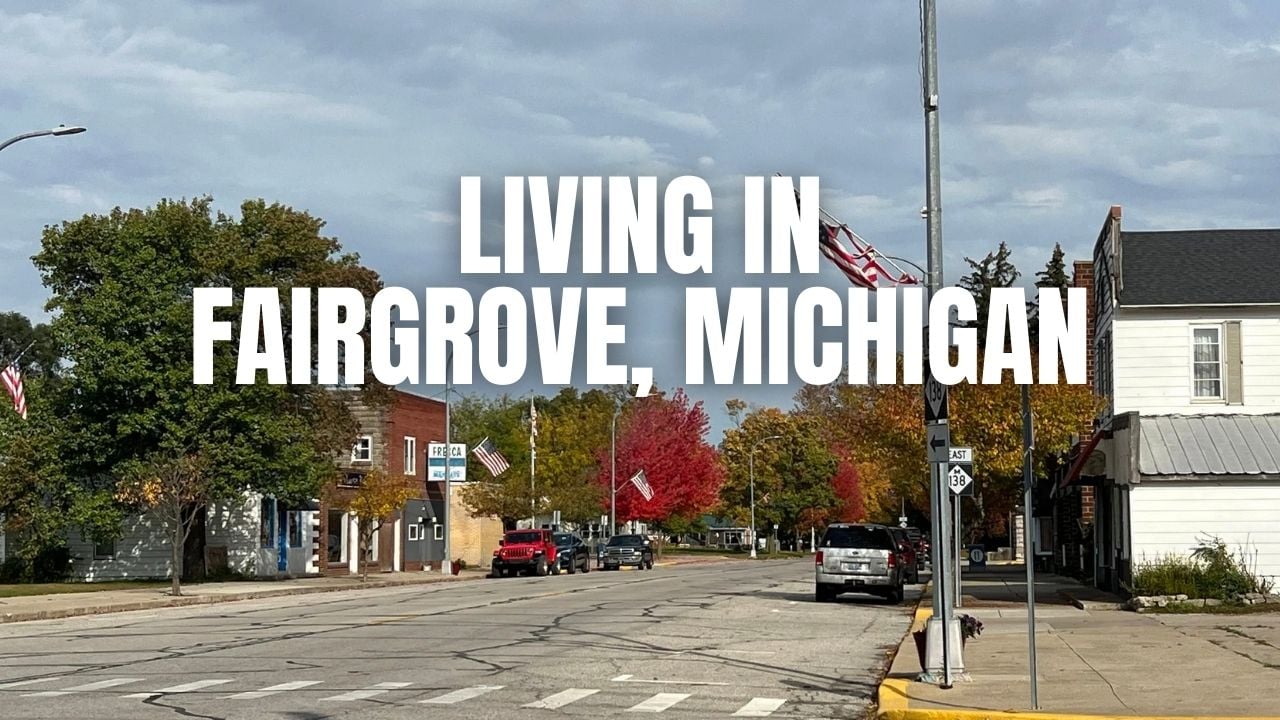
Before You Move to Fairgrove, Michigan: The Stuff …
Considering a move to Fairgrove, Michigan? Located…
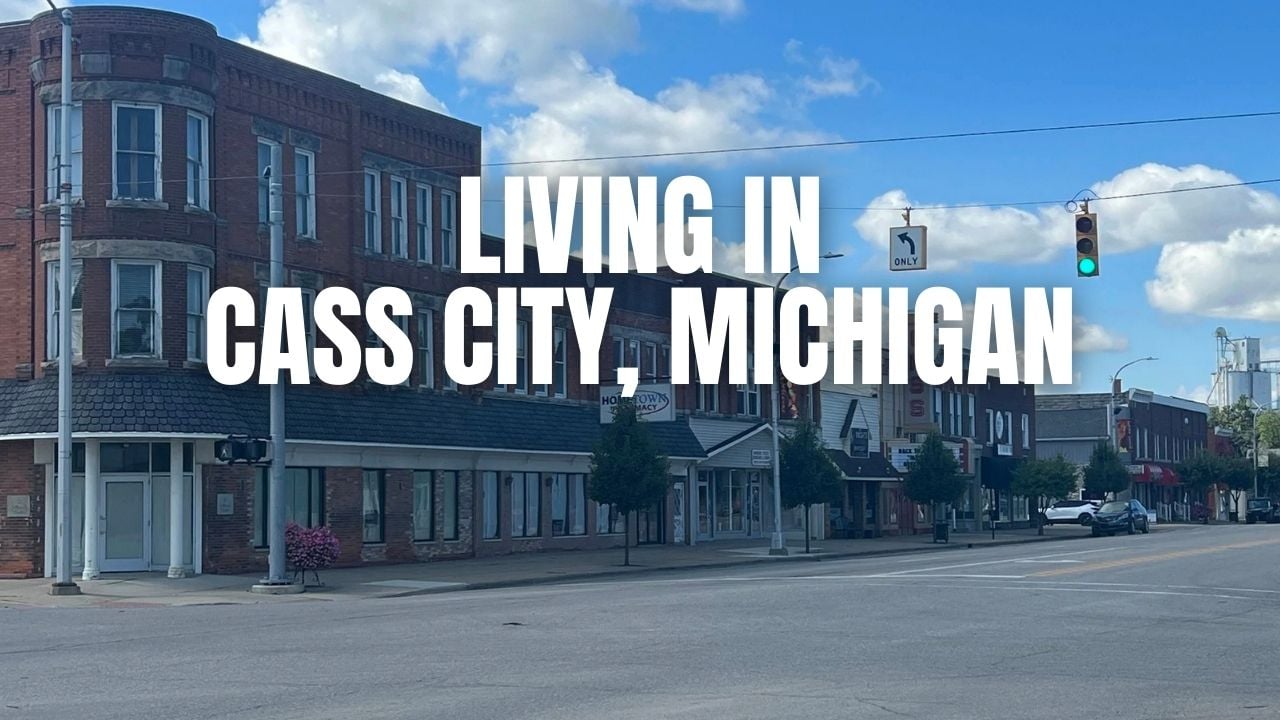
Cass City, Michigan Relocation Guide: Vibe, Housing, Amenities …
Considering a move to Cass City, Michigan?…
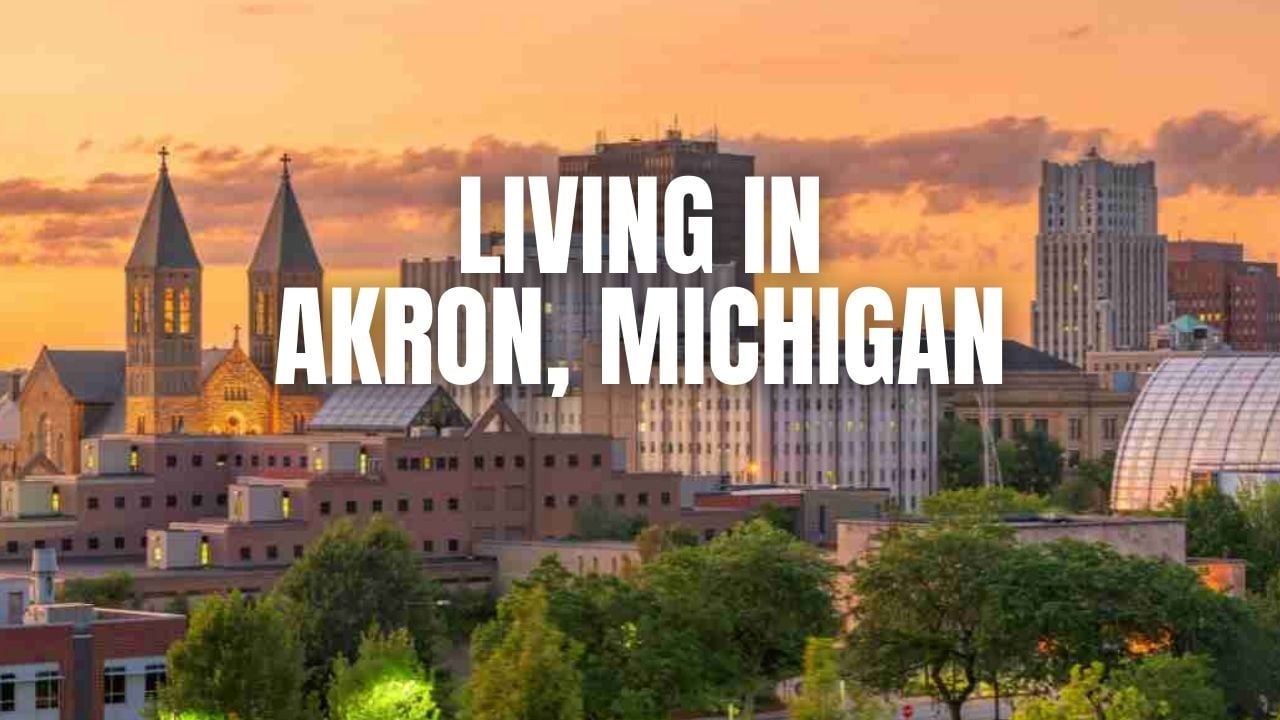
The Truth About Akron, Michigan: Neighborhoods, Prices, Taxes …
Considering a move to Akron, Michigan? Located…