
Introduction
If you’re looking for space, quiet surroundings, and a slower pace of life, Wheatland Township, Michigan may be worth a closer look.
Located in Sanilac County, this rural township is primarily agricultural and residential, offering wide-open landscapes and low-density housing. People typically consider moving here for privacy, land ownership opportunities, and proximity to small towns like Sandusky while still being within driving distance of larger regional hubs.
Let’s walk through what to realistically expect when living in Wheatland Township — from housing and property taxes to schools, commutes, and lifestyle.
Cost of Living in Wheatland Township, Michigan
Cost of living in Wheatland Township largely reflects broader Sanilac County trends.
According to U.S. Census Bureau data, Sanilac County’s median home values are generally lower than the statewide Michigan median. Niche.com also reports that housing costs in the county are below national averages.
BestPlaces.net indicates that overall cost of living in Sanilac County falls below the U.S. average, primarily due to housing affordability.
Utilities and transportation costs are consistent with broader Midwest averages, based on data from the Bureau of Labor Statistics. However, rural residents may experience higher fuel usage due to longer driving distances.
Because Wheatland Township is primarily residential and agricultural, there is limited commercial development within township boundaries, which may influence daily travel patterns.
Real Estate & Housing Overview
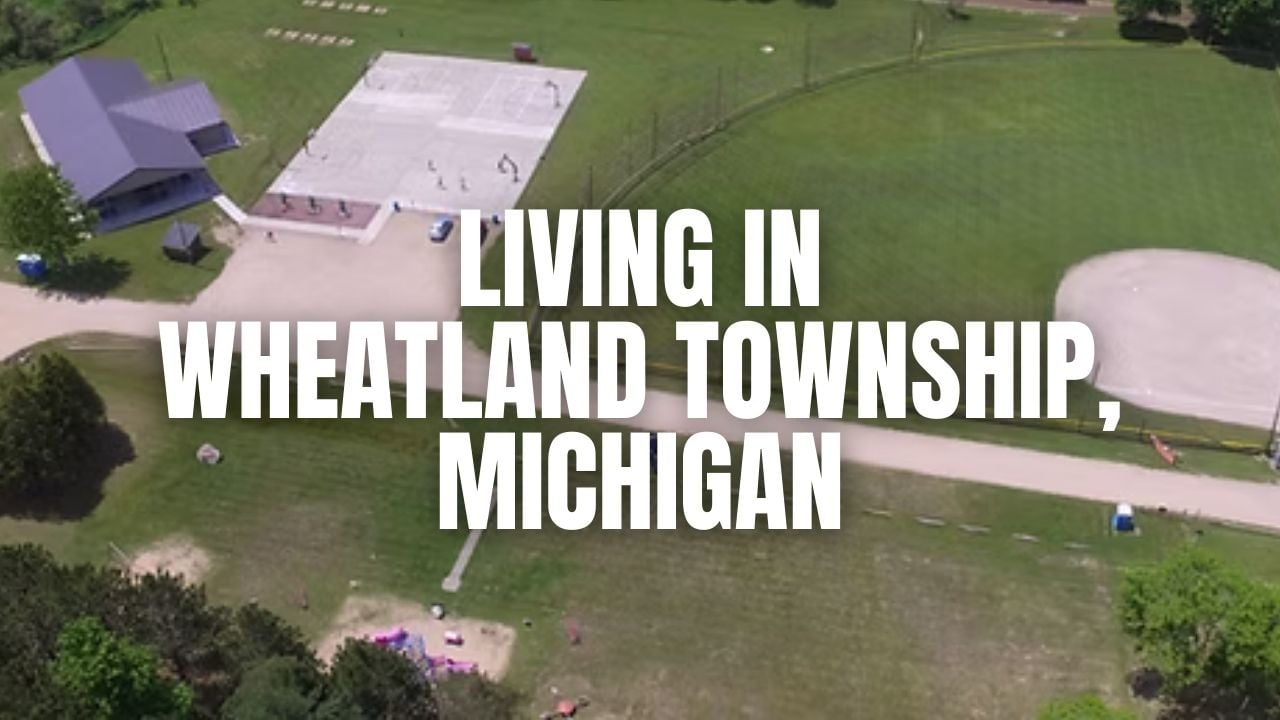
Wheatland Township is characterized by rural housing, farm properties, and single-family homes on larger parcels of land.
According to U.S. Census Bureau housing data for rural Michigan townships:
Homes often sit on multi-acre lots
A mix of older farmhouses and late 20th-century builds is common
Owner-occupied properties make up the majority of housing units
New construction exists but is typically custom or small-scale rather than subdivision-style development.
Buyers looking in Wheatland Township often prioritize:
Acreage
Detached homes
Outbuildings or barns
Privacy from neighboring properties
Local MLS data typically shows lower transaction volume compared to urban markets, which is normal for rural townships.
As always, pricing and inventory depend on market conditions at the time of purchase.



Thinking About Kalamazoo, Michigan? A practical guide
Thinking about moving to Kalamazoo, Michigan? This…
Galesburg, Michigan Living Guide: The Ultimate living guide
Galesburg, Michigan is a small Kalamazoo County…
Vandalia, Michigan: Best Neighborhood Pockets + Pros/Cons for …
Vandalia, Michigan is an incorporated village of…