
Michigan's housing market just finished its most dramatic roller coaster ride since the 1980s, and frankly, nobody's quite sure where the tracks lead next. The pandemic turned ordinary suburban homes into gold mines, sent interest rates on a wild swing from historic lows to decade highs, and left both buyers and sellers scratching their heads about what constitutes normal anymore. As we head into 2026, the dust is finally settling, but the new rules of the game are still being written. This article breaks down exactly what you need to know about Michigan's evolving real estate market, covering the price trends that will actually matter, inventory changes happening right under your nose, and interest rate shifts that could make or break your next move. We'll walk through the specific dynamics playing out in Metro Detroit, West Michigan, and other key regions because what works in Grand Rapids might flop spectacularly in Traverse City. Whether you're a first-time buyer trying to decode this mess, a seller wondering if you missed the boat, or an investor looking for the next opportunity, you'll get the straight facts about where Michigan real estate is headed and how to position yourself accordingly. The market isn't just changing - it's completely redefining itself, and the players who understand these shifts will be the ones who come out ahead. Ready to see what 2026 actually holds for Michigan real estate?

Price Trends in 2026
Housing values across Michigan will climb at a measured pace throughout 2026, marking a significant departure from the frenzied appreciation rates that defined the post-pandemic years. Experts predict that home prices in Metro Detroit will continue to rise in 2026, but at a more moderate rate compared to the double-digit jumps homeowners witnessed between 2020 and 2022. This shift represents a return to sustainable growth patterns that benefit both buyers and sellers looking for predictable market conditions.
Metro Detroit Suburbs

The suburban communities surrounding Detroit are positioning themselves as the steady performers of Michigan's real estate scene. Royal Oak, Ferndale, and Novi are expected to see steady appreciation as these areas continue attracting young professionals and growing families who prioritize walkable neighborhoods, top-rated school districts, and established community infrastructure. Royal Oak's downtown revival and proximity to major employment centers make it particularly attractive to millennials transitioning from apartment living to homeownership.
Novi stands out for its combination of newer housing stock and excellent schools, factors that historically insulate suburban markets from dramatic price swings. The city's strategic location along major highways and its reputation for family-friendly amenities create consistent buyer interest that supports gradual value increases. These suburban markets benefit from what real estate professionals call "sticky demand" - buyer interest that persists even when broader economic conditions shift.
Zillow's Forecast
Major real estate platforms are projecting what industry analysts describe as slow and steady price growth rather than the volatile swings that characterized recent years. This forecast reflects a fundamental shift in market dynamics, where the intense demand seen in 2020–2022 has eased, and the market is finding a healthier balance between buyers and sellers. The prediction suggests that Michigan homeowners can expect their properties to appreciate without the anxiety-inducing price volatility that made planning difficult.
The platform's analysis indicates that Michigan's housing market is entering what economists call a "normalization phase" - a period where price movements align more closely with historical averages and local economic fundamentals. This trend benefits buyers who can make purchasing decisions without fear of immediate obsolescence and sellers who can price their homes based on realistic market comparisons rather than speculative peaks.
Tracking these forecasts becomes particularly valuable when considering that most analysts expect some stabilization or even slight reductions in rates in 2026, which could influence buyer behavior and market velocity. The combination of moderate price growth and potentially more favorable borrowing costs creates conditions that many market participants view as optimal for sustainable real estate activity.
Inventory Shifts and Opportunities
Construction crews across Michigan are finally catching up to demand after years of playing defense against supply shortages and material delays. The state's housing stock is expanding at rates not seen since before the 2008 financial crisis, with developers breaking ground on everything from starter homes in Kalamazoo to luxury condominiums in downtown Grand Rapids. Simultaneously, homeowners who sat on the sidelines during the pandemic's peak chaos are dusting off their "For Sale" signs and testing the waters again.
This dual influx creates a fascinating dynamic where buyers suddenly have actual choices instead of settling for whatever scraps remained after bidding wars. The psychological shift alone changes how people approach home shopping - no more writing love letters to sellers or waiving inspections out of desperation. Instead, buyers can take their time, compare options, and negotiate like rational human beings rather than contestants on a game show.
The transformation becomes particularly evident when examining specific market segments and their unique challenges:
- Fresh construction projects are adding much-needed options across price ranges, though delivery timelines still stretch longer than pre-pandemic norms due to labor shortages and permit backlogs
- Entry-level housing remains scarce despite increased building activity, as construction costs make it difficult for developers to profitably build homes under $250,000 in most Michigan markets
- Single-family detached homes dominate new construction plans, reflecting buyer preferences shaped by remote work trends and desires for private outdoor space
- Multi-use residential complexes are gaining traction in urban cores like Ann Arbor and East Lansing, combining retail spaces with apartments to create walkable community hubs
West Michigan's building boom exemplifies how regional factors influence development patterns. Grand Rapids developers are prioritizing mixed-income projects that blend market-rate units with workforce housing, addressing the reality that teachers, nurses, and other essential workers struggle to afford homes near their jobs. This approach contrasts sharply with Oakland County's focus on luxury developments targeting high-income professionals fleeing expensive coastal markets.
Sellers benefit from this expanded supply in unexpected ways. Rather than competing against dozens of similar listings, they can position their homes as unique alternatives to cookie-cutter new construction. Established neighborhoods with mature trees, character details, and proven community amenities suddenly look appealing compared to subdivisions where the biggest tree fits in a coffee cup.
Timing becomes crucial for both sides of transactions as these shifts accelerate. Buyers who move quickly can secure homes before spring competition intensifies, while sellers must price strategically to compete against builders offering incentives and modern features.
Interest Rates and Buyer Dynamics
Mortgage borrowing costs are finally showing signs of predictability after years of wild fluctuations that left potential homeowners dizzy from trying to time their purchases. The Federal Reserve's recent policy adjustments suggest that rates will hover within a narrower band throughout 2026, giving first-time buyers something they haven't had in years - the ability to plan without constantly second-guessing their timing. This stabilization particularly benefits newcomers to homeownership who were priced out during the rate spikes of 2023 and early 2024.
First-time buyers in Michigan stand to gain the most from these steadying conditions because they typically carry less negotiating power and smaller down payments than experienced homeowners. When rates drop even modestly - say from 7.2% to 6.8% - the monthly payment difference on a $300,000 home amounts to roughly $75, which translates to nearly $900 annually in reduced housing costs. These seemingly small adjustments compound over the life of a 30-year mortgage, potentially saving buyers tens of thousands of dollars. Mortgage rates can dip temporarily, and locking in during one of these low-rate periods could lead to significant long-term savings.
The window for capturing these favorable conditions requires buyers to position themselves strategically rather than hoping rates will continue falling. Smart purchasers understand that waiting for the "perfect" rate often means missing out on the right property, especially when inventory remains competitive in desirable Michigan neighborhoods. The key lies in preparation and speed of execution when opportunities arise.
Several critical factors determine whether buyers can capitalize on rate improvements:
- Securing financing approval beforehand - Lenders who get fast pre-approved can move immediately when rates dip, while unprepared buyers spend weeks gathering documents as rates potentially climb again
- Moving decisively on attractive listings - Properties in sought-after areas like Ann Arbor or Traverse City still receive multiple offers, making quick action essential regardless of rate conditions
- Calculating total borrowing costs - Understanding how rate changes affect both monthly payments and lifetime interest helps buyers evaluate whether to act now or wait for further decreases
Research multiple lenders becomes particularly valuable during periods of rate volatility because different institutions adjust their pricing at different speeds. Credit unions often maintain more stable rates than large banks, while online lenders might offer temporary promotional rates that traditional institutions can't match. Shopping around during rate transitions can yield savings that dwarf the effort required to compare options.
Positioning yourself to benefit from these evolving conditions means maintaining flexibility while staying ready to act. Build a strong credit profile before rates shift in your favor, since lenders scrutinize applications more carefully when demand increases during favorable rate periods.
Regional Highlights and Investment Hotspots
Three distinct Michigan markets are reshaping how investors and homeowners think about property values, each offering unique advantages that weren't apparent during the pandemic's market chaos. These areas represent different stages of market evolution, from established suburban reliability to emerging urban renaissance stories that smart money is already tracking.
Metro Detroit's Suburbs
The suburban ring around Detroit has transformed into Michigan's most dependable real estate performer, where property values move with the predictability of a Swiss watch rather than the wild swings that characterized downtown markets. Communities like Birmingham, Troy, and West Bloomfield maintain their appeal through a combination of excellent school systems, established infrastructure, and proximity to major employment hubs without the volatility that plagues trendier urban neighborhoods.
These suburban enclaves benefit from what real estate professionals call "demographic tailwinds" - millennials with growing families seeking space, stability, and good schools, while empty nesters downsize from larger homes but refuse to sacrifice quality of life. The result creates consistent buyer interest that supports steady appreciation without the boom-bust cycles that make other markets feel like gambling.
Emerging neighborhoods within this suburban framework include areas like Clawson and Hazel Park, where younger buyers discover they can afford homes with character and potential just minutes from Birmingham's premium shopping and dining. These transitional communities offer the suburban lifestyle at prices that don't require trust fund financing.
Grand Rapids

West Michigan's largest city has experienced a remarkable shift in market dynamics, moving from a seller's paradise where homes disappeared within days to a more balanced environment where buyers can actually tour properties without scheduling appointments weeks in advance. This change reflects broader improvements in housing availability that make Grand Rapids increasingly attractive to both residents and investors.
The city's downtown core continues attracting young professionals drawn to its brewery scene, cultural amenities, and growing tech sector, while established neighborhoods like Heritage Hill and Eastown offer historic charm at prices that would seem laughable in comparable markets on either coast. Grand Rapids benefits from being large enough to offer urban amenities while remaining affordable enough for middle-class families to buy homes without financial gymnastics.
Recent inventory improvements mean buyers can compare multiple properties before making decisions, a luxury that seemed extinct just two years ago. This shift particularly benefits first-time homebuyers who previously faced impossible competition from cash offers and waived inspections.
Warren
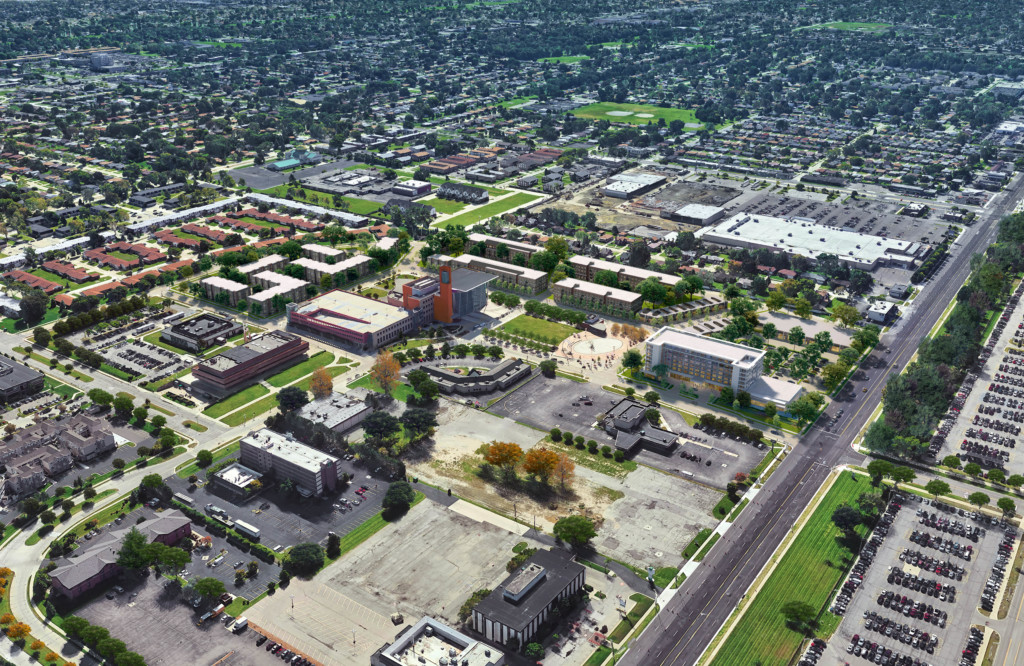
This Macomb County city has emerged as one of Michigan's most active seller's markets, where properties move quickly and prices remain attractive compared to neighboring communities. Warren's appeal stems from its combination of affordable housing stock, convenient highway access, and proximity to major employers in the automotive and healthcare sectors.
The city's housing market operates with an efficiency that surprises newcomers - homes priced correctly often receive multiple offers within the first week of listing. This activity reflects Warren's position as a value play for buyers priced out of more expensive suburban markets while still wanting access to Metro Detroit's job opportunities.
Targeting Warren makes particular sense for investors seeking rental properties, as the city's affordable purchase prices and steady rental demand create favorable cash flow scenarios. The combination of lower entry costs and consistent tenant interest provides investment returns that more expensive markets struggle to match.
Strategic Considerations for Buyers and Sellers
Smart homeowners and prospective purchasers are discovering that Michigan's evolving market demands fresh approaches to traditional real estate decisions. The old playbook of aggressive bidding wars and instant offers has given way to calculated moves based on market fundamentals and buyer psychology. Success now depends on understanding how demographic shifts, infrastructure improvements, and changing consumer preferences create opportunities for those who adapt their strategies accordingly.
Sellers who master the art of competitive positioning find themselves attracting serious buyers while avoiding the dreaded months-long listing stagnation that plagues overpriced properties. The key lies in studying comparable sales data from the past 90 days rather than relying on peak pandemic pricing that no longer reflects current buyer capacity. Michigan's suburban markets particularly reward sellers who price within 5% of recent comparable sales, as buyers have regained negotiating confidence and will simply skip properties that seem disconnected from reality. Setting the right initial price generates multiple showings within the first two weeks, creating the competitive atmosphere that drives final sale prices upward. This approach works especially well in communities like Troy and Novi, where educated buyers research extensively before making offers and can quickly identify overpriced listings.
The psychology of today's buyers differs significantly from pandemic-era purchasers who feared missing out on any available property. Current buyers take time to evaluate neighborhoods, school districts, and long-term value propositions before committing. They expect sellers to demonstrate market awareness through realistic pricing and willingness to negotiate on inspection items or closing costs. Sellers who understand this shift position their homes as smart investments rather than desperate fire sales.
Energy-efficient improvements have evolved from nice-to-have features into genuine selling points that influence both buyer decisions and appraisal values. Installing programmable thermostats, upgrading to LED lighting systems, and improving insulation can reduce monthly utility costs by $50 to $150, which translates to increased affordability for buyers calculating their total housing expenses. These modifications appeal particularly to younger buyers who prioritize sustainability and older homeowners seeking to reduce fixed costs during retirement. The return on investment becomes especially attractive when considering that energy-efficient homes often qualify for favorable financing terms and insurance discounts.
Modern buyers research utility costs before making offers, requesting past bills and energy audit reports during the due diligence period. Properties with documented energy savings command premium prices because buyers can quantify the long-term financial benefits. Solar panels, high-efficiency HVAC systems, and Energy Star appliances create tangible value that appraisers recognize and lenders appreciate when calculating debt-to-income ratios.
Negotiating with builders requires different tactics than traditional resale transactions, as construction companies operate with predetermined profit margins and standardized incentive packages. Buyers who research builder reputations, understand construction timelines, and compare incentive packages across multiple developments gain significant advantages. The most effective approach involves requesting upgrades rather than price reductions, since builders can often provide $10,000 worth of flooring or appliance improvements at their cost while maintaining their published base prices. Timing negotiations during slower sales periods - typically late fall through early spring - yields better results as builders seek to maintain construction momentum and cash flow.
Cap rates remain attractive compared to coastal markets, often ranging from 8-12% for well-positioned rental properties, making new construction particularly appealing for investors who can secure builder financing and immediate rental income. Understanding builder incentives allows savvy buyers to maximize value while securing properties in desirable locations before they appreciate further.
Final Thoughts
Michigan's real estate market in 2026 won't be the wild ride we saw during the pandemic years. We've covered the expected price trends showing a cooling from those fever-pitch highs, inventory changes that should give buyers more breathing room, and interest rate impacts that'll shape affordability across the state. The regional breakdown revealed Metro Detroit's unique challenges, West Michigan's steady appeal, and how different areas will respond to market shifts.
This information matters because timing is everything in real estate. Knowing that inventory levels are likely to increase means buyers can be more selective instead of jumping on the first decent property they find. Sellers who understand these trends can price strategically rather than chase yesterday's peak values. The regional insights help you focus your efforts where opportunities actually exist rather than fighting uphill battles in overheated markets.
Here's the thing about market predictions - they're only useful if you act on them. The data we've examined shows Michigan's market stabilizing, but that doesn't mean sitting on the sidelines waiting for perfect conditions. Whether you're buying your first home in Grand Rapids or selling a rental property in Ann Arbor, use these insights to make smarter decisions now. Keep watching local market indicators, stay flexible with your timeline, and remember that the best real estate moves happen when you're prepared for what's coming next.




Thinking About Kalamazoo, Michigan? A practical guide
Thinking about moving to Kalamazoo, Michigan? This…

Galesburg, Michigan Living Guide: The Ultimate living guide
Galesburg, Michigan is a small Kalamazoo County…

Vandalia, Michigan: Best Neighborhood Pockets + Pros/Cons for …
Vandalia, Michigan is an incorporated village of…