
Introduction
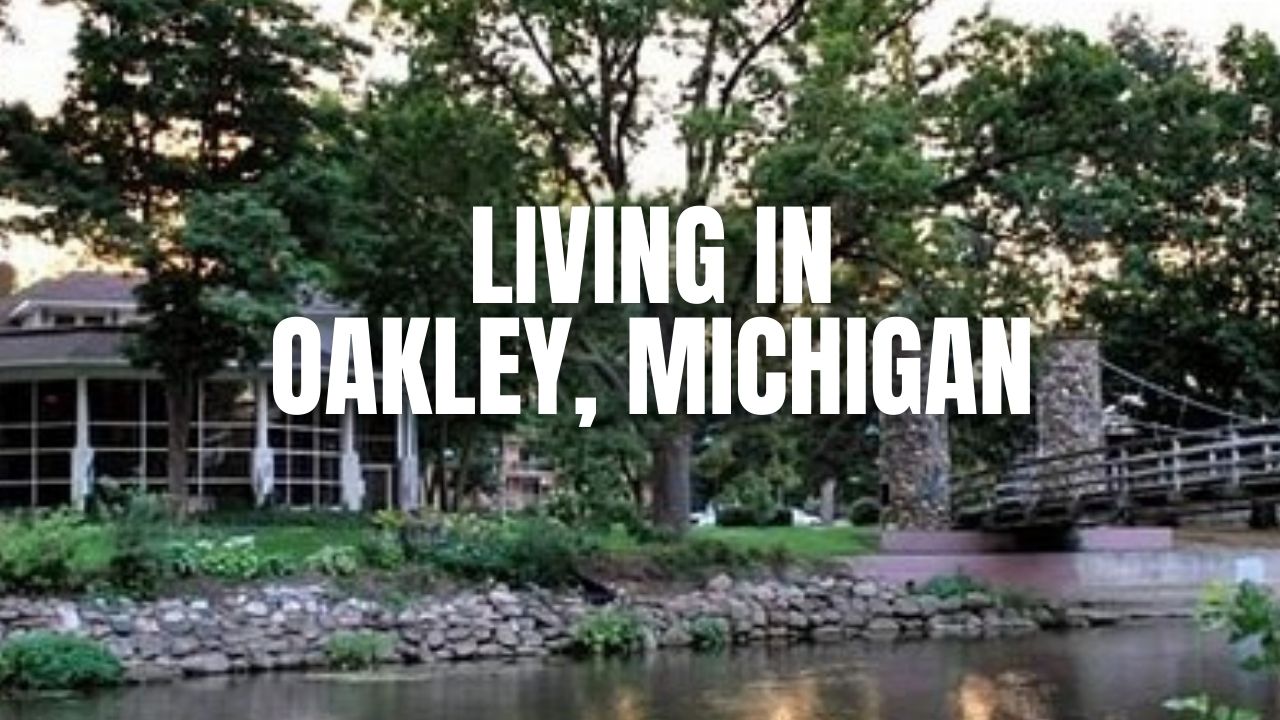
If you’re looking for a quieter corner of Mid-Michigan where open space and small-town simplicity are part of everyday life, Oakley, Michigan may be worth a closer look.
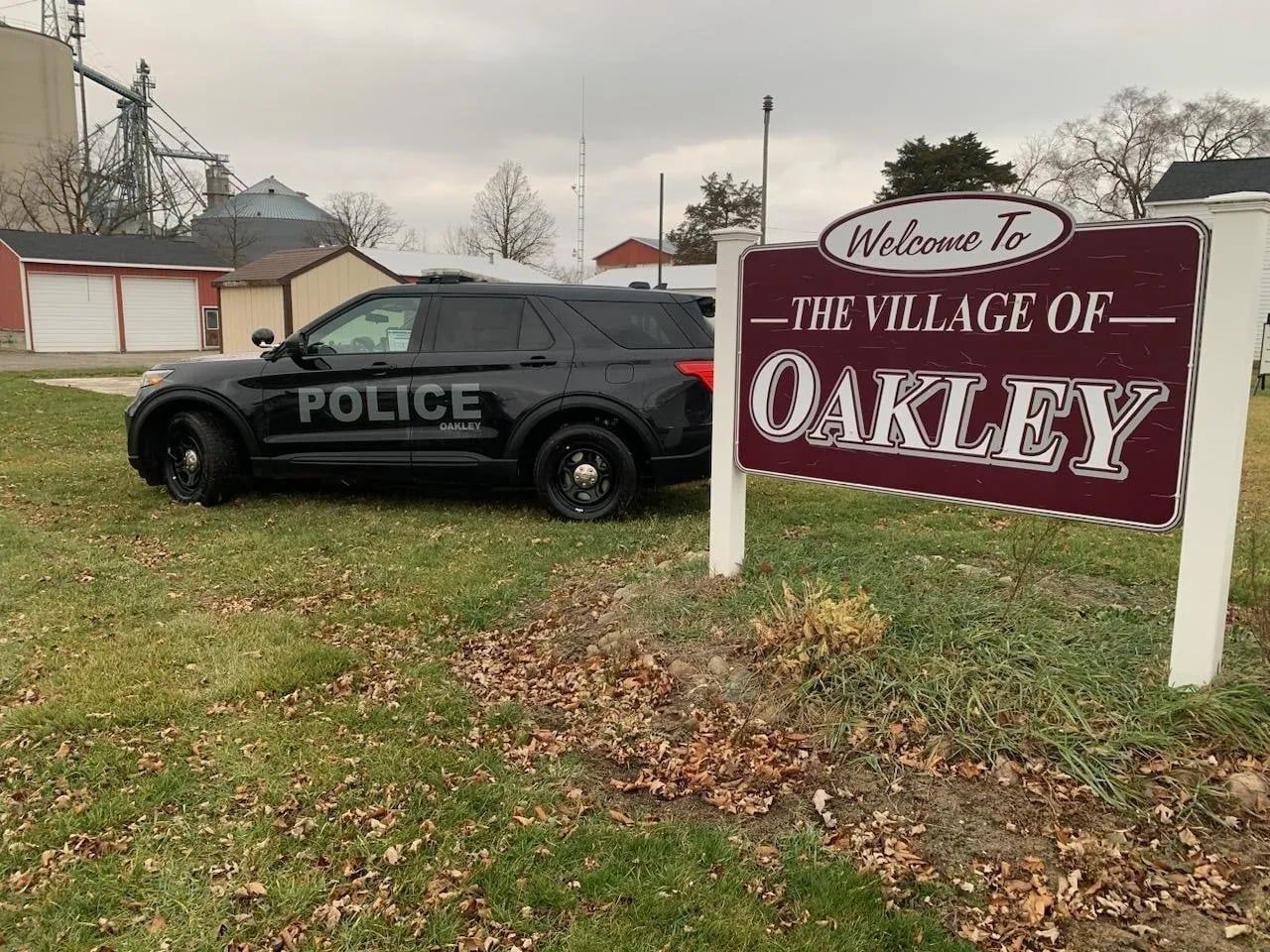
Located in Saginaw County, Oakley is a small village surrounded by farmland and rural townships. People who consider living here are often drawn to the slower pace, lower housing density, and proximity to larger cities without being directly in them.
This guide walks through what you should realistically expect — from housing and cost of living to schools, property taxes, and nearby amenities.
Cost of Living in Oakley, Michigan
Because Oakley is a small village, hyper-local cost data is somewhat limited. However, broader Saginaw County data provides helpful context.
According to the U.S. Census Bureau, Saginaw County home values and median household incomes are generally below statewide averages. BestPlaces.net reports that the overall cost of living in Saginaw County is below the national average.
Housing costs in Oakley tend to reflect rural pricing, with many properties consisting of older homes on larger lots or acreage parcels. Niche.com data for Saginaw County also shows median home values below Michigan’s statewide median.
Utilities and transportation costs align with statewide averages for Michigan, based on data from the Bureau of Labor Statistics for the Midwest region.
Because housing inventory is limited in smaller villages like Oakley, prices can vary depending on available listings at any given time.
Real Estate & Housing Overview
Oakley’s housing stock is primarily single-family homes.
Based on U.S. Census Bureau housing age data for similar rural villages in Saginaw County:
Many homes were built prior to 1980
Owner-occupied properties make up the majority of housing
Lot sizes are typically larger than suburban subdivisions
You’ll commonly see:
Ranch-style homes
Traditional two-story homes
Farmhouses on larger parcels
New construction in the immediate village limits is limited. Most new builds in the broader area occur in surrounding townships rather than within the small village footprint.
Because inventory levels are typically low, market activity can appear slower than in suburban markets. Local MLS data shows that rural listings often remain on the market longer than homes in denser areas, depending on pricing and condition.





Michigan's FASTEST Growing Towns Are Losing Value (Here's …
Michigan is growing, but home prices are…
The Most Connected Home in Brighton, Michigan | …
6280 Beth Rd, Brighton, MI: move-in-ready 3-bed,…