
Introduction
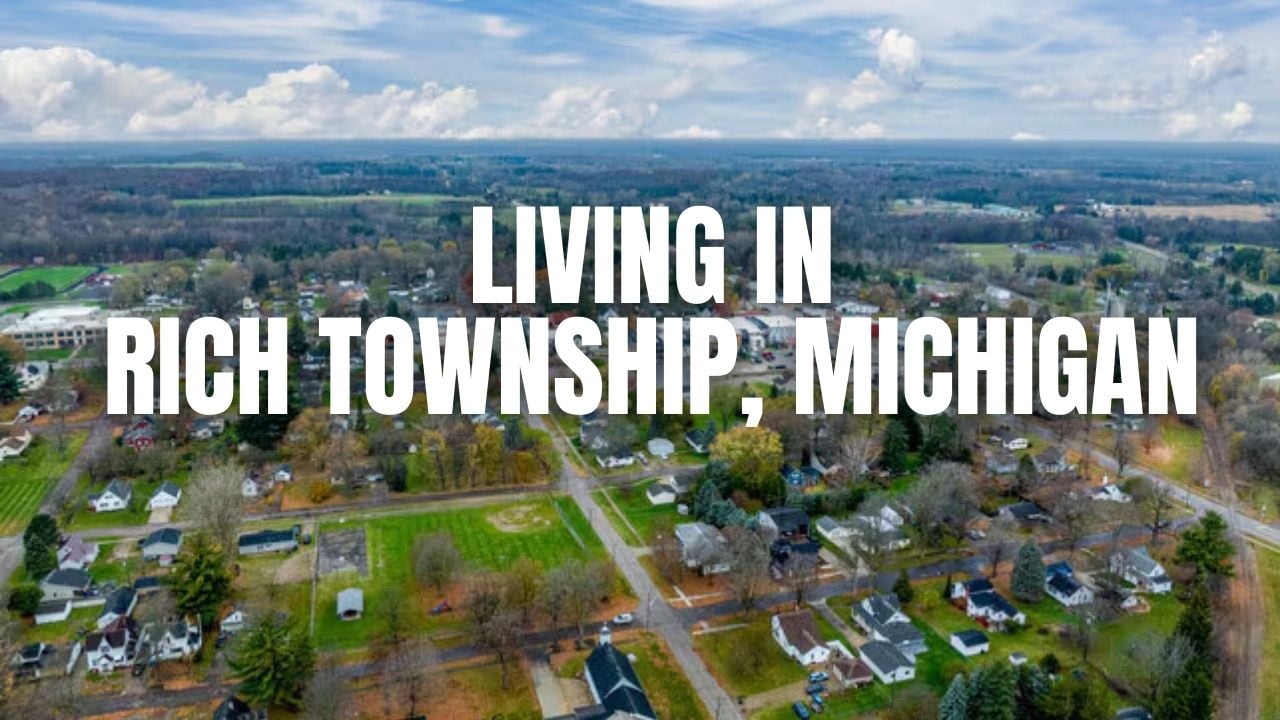
If you’ve ever thought about living somewhere with fewer traffic lights, more open space, and the kind of quiet that lets you hear the wind instead of the freeway, Rich Township, Michigan may catch your attention.
Located in Lapeer County, Rich Township is a rural community defined by farmland, large residential properties, and a slower pace of life. People often consider moving here for more privacy, land ownership opportunities, and distance from dense suburban development.
This guide walks through what it’s like to live in Rich Township — including cost of living, housing, property taxes, schools, and lifestyle — so you can decide whether it aligns with your relocation goals.
Cost of Living in Rich Township, Michigan
Cost of living in Rich Township is influenced heavily by housing, transportation, and rural infrastructure.
According to U.S. Census Bureau housing data for Lapeer County, housing costs tend to be lower than national averages, reflecting the rural nature of the area. BestPlaces.net reports that Lapeer County overall has a cost of living index below the national average, particularly in housing expenses.
Transportation costs may be higher than in urban areas because most residents rely on personal vehicles. The Bureau of Labor Statistics reports that transportation is a major expense category in regions without public transit.
Utility costs are generally consistent with Michigan averages, although actual costs vary depending on property size, home age, and heating systems.
Real Estate & Housing Overview
Rich Township’s housing market consists almost entirely of single-family homes on larger parcels of land.
According to the U.S. Census Bureau:
Most homes are detached single-family residences
Housing density is low compared to suburban areas
Many homes were built between the 1970s and early 2000s
Buyers will typically find:
Ranch-style homes
Farmhouses and rural residential properties
Custom homes on acreage
Limited subdivision-style developments
New construction does occur occasionally, but at a slower pace compared to suburban communities, based on regional MLS listing trends.
This housing profile appeals to buyers looking for land ownership, privacy, and space between neighbors.



Is Volinia Township, Michigan a Good Place to …
Volinia Township, Michigan is one of Cass…
Moving to Silver Creek Township, Michigan? What to …
Silver Creek Township, Michigan is where Cass…
Living in Porter Township (Cass County), Michigan: Pros, …
Porter Township, Michigan is a lake-studded rural…