
Michigan winters are one of the most talked-about topics among people considering a move to the state — and for good reason. When you search the pros and cons of living in Michigan, harsh winters usually jump to the top of the list. But what’s the truth behind Michigan’s cold season? How much snow do you actually get? How does winter affect the housing market, your home search, and day-to-day life?
As someone born and raised in Michigan who has traveled across the state during all four seasons — and who helps people relocate to Michigan every week — I put together this detailed breakdown to clear up the myths, misconceptions, and realities of Michigan winter living.
Below, I’ll cover how winters affect the housing market, home maintenance, your home search, snowfall totals, temperatures, driving, and winter preparedness, plus a full FAQ section backed by credible sources like the National Weather Service (NWS), NOAA, MDOT, and Michigan.gov.
How Michigan Winters Affect the Housing Market
Winter is the slowest real estate season in Michigan. Based on statewide MLS data and trends consistent with NAR’s seasonal housing patterns, the lowest listing volume of the year typically occurs from November through February.
That means:
- Many homes on the market were unsold during peak months
- Sellers listing during winter are often more motivated
- Buyers may find better negotiation opportunities
- Competition tends to be lower
- Fewer bidding wars occur compared to spring/summer
For buyers, this can mean strong leverage — though inventory will be more limited.
How Snow Affects Your Michigan Home Search
Searching for homes in winter isn’t convenient, but it gives you a massive advantage:
you can see how a home truly performs in harsh weather.
Winter reveals things that summer hides, such as:
- Missing snow on the roof (possible poor insulation or heat loss)
- Drafty windows and doors
- Cold interior rooms (signs of insulation gaps or crawlspace issues)
- Ice dams or clogged gutters
- Foundation seepage during melts
- How well a driveway is plowed or drains
In many cases, winter exposes red flags that summer completely disguises.
On the downside:
- Roof age can be difficult to judge if fully covered in snow
- Landscaping, curb appeal, and yard grading may be obscured
- Exterior flaws may be hidden
Still, winter is one of the most revealing times to inspect a Michigan home.
How Winter Impacts Home Maintenance in Michigan
Michigan homeowners must prepare their homes for winter more intentionally than residents of milder climates. Common seasonal maintenance tasks recommended by Michigan.gov, EnergyStar, and local HVAC professionals include:
- Weather-stripping doors and windows
- Cleaning gutters to prevent ice dams
- Insulating crawlspaces
- Winterizing exterior spigots
- Maintaining heating systems
- Clearing snow from dryer vents
- Ensuring proper attic ventilation
I have a full winter home-prep video linked at the bottom if you want a deep dive.

Credit: https://www.freep.com/story/news/local/michigan/2017/01/04/michigan-winters/96148284/?gnt-cfr=1&gca-cat=p&gca-uir=false&gca-epti=z114742u116342d00----v114742&gca-ft=251&gca-ds=sophi
Are Michigan Winters Really “Long”?
The length of winter depends heavily on where you live in the state. Michigan’s climate varies widely between regions, according to NOAA’s National Snow & Ice Data Center.
Here’s the general pattern:
- First snowfall: Late October to late November (depending on region)
- Heaviest snowfall: December through February
- Last snowfall: Late March to early April (varies year to year)
- Months typically free of snow: May–September
Winters feel long to newcomers, but the timeframe is fairly consistent each year.
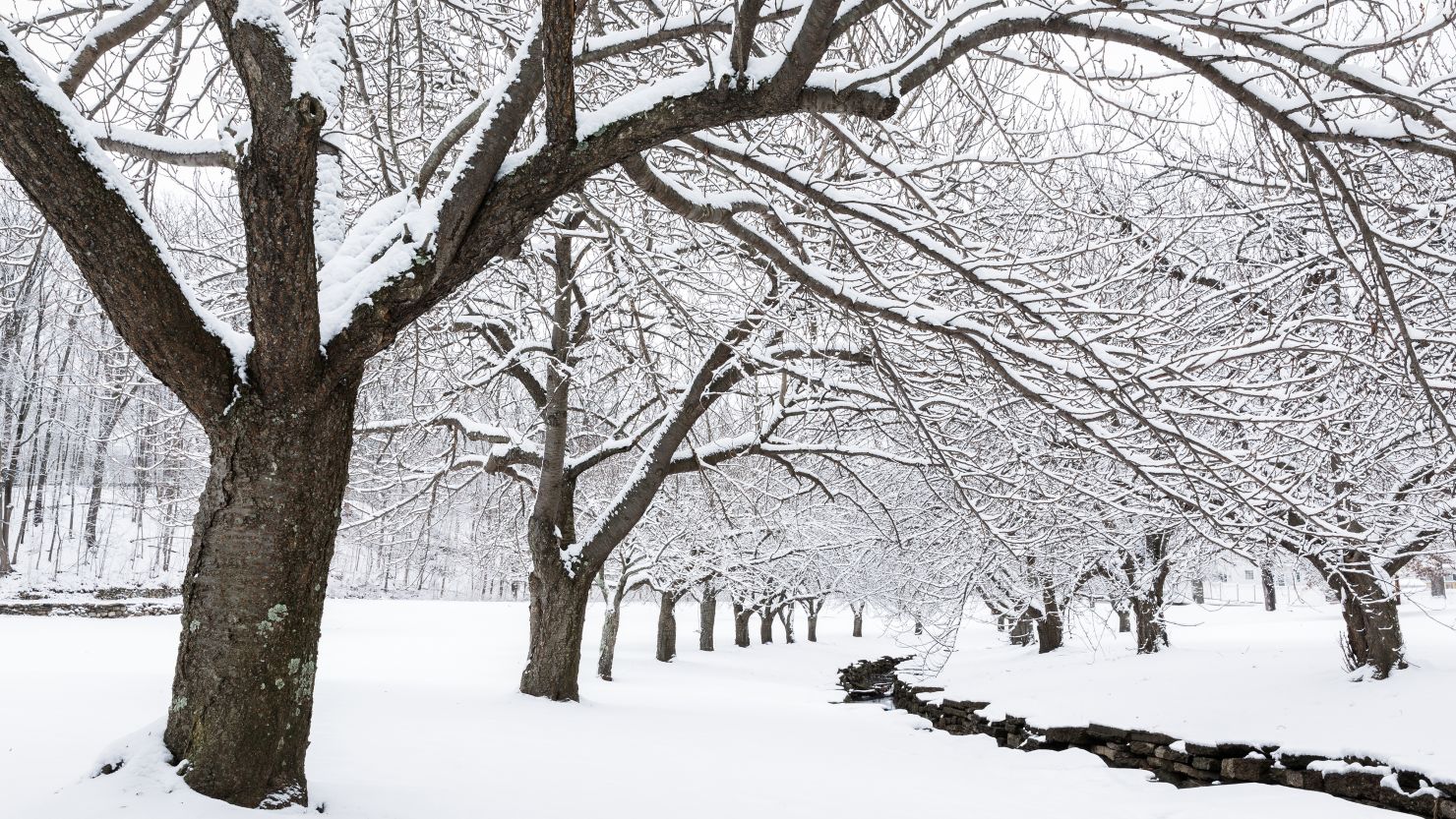
Snowfall Amounts by Michigan Region
Michigan is not uniformly snowy. Annual totals vary due to lake-effect systems, elevation, and proximity to the Great Lakes.
Using NOAA 2022 Snowfall Analysis & historical National Weather Service data:
- Southeast Michigan (Ann Arbor, Detroit, Oakland County): ~30–45 inches/year
- Lower Peninsula – Central (Livingston County): ~40–55 inches/year
- West Michigan (Grand Rapids, Muskegon): 70–100+ inches/year
- Northern Lower Peninsula (Traverse City): 80–120 inches/year
- Upper Peninsula (Marquette, Houghton): 150–300+ inches/year
Some areas of the western Upper Peninsula routinely see 200–300+ inches, among the highest averages east of the Rockies.
This is why the phrase “Michigan winters are terrible everywhere” is misleading — snowfall varies drastically by location.
Temperature Patterns Across Michigan (NOAA Data 2014–2022)
To give a clear picture, here are average winter temps from several regions:
Ann Arbor (SE Michigan)
- Jan–Mar: 31°–41°F
- Jun–Aug: ~80°F peak
- Dec: ~41°F
Grand Rapids (West Michigan)
- Jan–Mar: 30°–41°F
- Jun–Aug: 83°F peak
- Dec: ~41°F
Traverse City (Northern Lower Peninsula)
- Jan–Mar: 28°–39°F
- Jun–Aug: ~80°F peak
- Dec: ~39°F
Marquette (Upper Peninsula)
- Jan–Mar: 25°–35°F
- Jun–Aug: 76°F peak
- Nov–Dec: ~35°F
Despite regional differences, temperatures across the state only vary by a few degrees — wind and lake effect are the bigger factors.
What About Extreme Weather Events?
Michigan does experience periodic extreme cold snaps.
For example, during the 2019 Polar Vortex, wind chills reached:
–25°F to –45°F across many regions
The National Weather Service advised:
- Avoiding prolonged outdoor exposure
- Keeping vehicle fuel levels above 50%
- Bringing pets indoors
- Delaying non-essential travel
These events are rare but do occur roughly every 5–10 years.
Driving in Michigan Winters
According to MDOT, the main winter driving hazards are:
- Black ice
- Slush buildup
- Reduced visibility
- Lake-effect squalls
- Drifting snow on rural roads
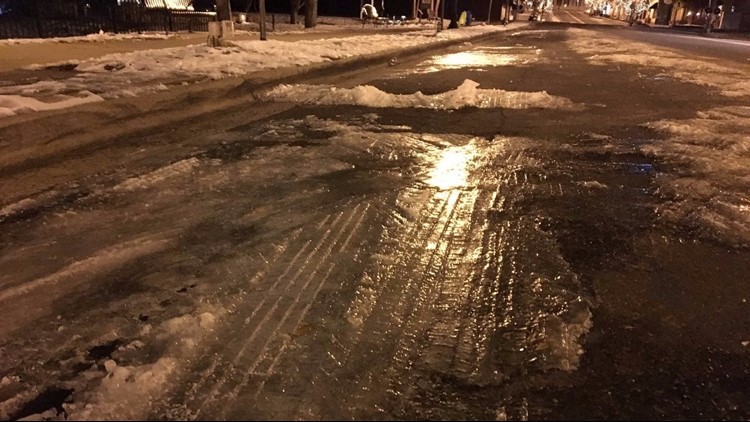
MDOT deploys over 300+ plow/salt trucks during major winter events, prioritizing:
- Interstates
- State trunk lines
- Major local roads
Helpful tips for newcomers:
- Drive slower than usual
- Increase following distance
- Keep an ice scraper and brush in your car
- Use winter wiper blades
- Consider winter tires for rural or high-snow regions
- Expect the first snowfall to cause more accidents than any other day
Michigan residents often drive front-wheel-drive or AWD vehicles, though winter tires are recommended in heavier-snowfall areas.
Quick Tips for Surviving Michigan Winters
- Layer clothing rather than relying on a single heavy coat
- Stock up on essentials before major storms
- Keep an emergency kit in your car
- Upgrade your home’s insulation if needed
- Expect shoveling to take longer than you think
- Invest in a snowblower if you can
- Enjoy the scenery — winter views here are truly beautiful
:strip_icc()/Best-Ice-Scrapers-BHG-tout-c12ea191fee84b56bb98f8e1a671500e.jpg)
FAQs About Michigan Winters (Credibly Sourced & Fair Housing Compliant)
Are Michigan winters really as bad as people say?
Michigan winters vary by region. According to NOAA, snowfall ranges from ~30 inches in Southeast Michigan to over 200 inches in parts of the Upper Peninsula. Severity depends largely on lake-effect snow and proximity to the Great Lakes.
How long does winter last in Michigan?
Based on National Weather Service climate data, Michigan’s winter season typically runs from late November through late March, with occasional snow into early April.
How cold does it get in Michigan?
Average winter temperatures range from mid-20s to low-40s depending on region. Extreme cold snaps (like the 2019 Polar Vortex) are infrequent but possible.
Does winter affect the Michigan housing market?
Yes. According to NAR seasonal trends and statewide MLS data, Michigan experiences the slowest real estate activity during winter, often resulting in motivated sellers and fewer competing buyers.
Is it harder to buy a home in winter?
Winter can actually help buyers spot issues more easily — such as insulation problems, air leaks, roof heat loss, and drainage issues that aren't visible in warmer months.
Do all parts of Michigan get the same amount of snow?
No. Per NOAA snowfall maps, West Michigan and the Upper Peninsula receive significantly more snow than Southeast Michigan due to lake-effect systems.
Is driving in Michigan winter dangerous?
Driving requires caution. According to MDOT, winter conditions contribute to reduced visibility, black ice, and slower braking. Using winter tires, driving slower, and planning ahead can greatly improve safety.
How do Michigan cities handle snow removal?
Most cities and counties have organized snowplow and salting schedules, prioritizing highways and major roads first. Response times vary by location and storm severity.
Are Michigan winters getting worse or better?
NOAA trend data shows fluctuations year to year, with some recent winters milder and others above average snowfall. There is no consistent long-term statewide increase or decrease.
When is the best time to travel to Michigan to avoid snow?
Typically May through September have the lowest likelihood of snowfall, based on historical climate data.
Mentioned Links
Preparing Your Home for the Winter: https://youtu.be/WEKoKOpjeFA




Thinking About Kalamazoo, Michigan? A practical guide
Thinking about moving to Kalamazoo, Michigan? This…
Galesburg, Michigan Living Guide: The Ultimate living guide
Galesburg, Michigan is a small Kalamazoo County…
Vandalia, Michigan: Best Neighborhood Pockets + Pros/Cons for …
Vandalia, Michigan is an incorporated village of…