Taylor, Michigan: Best Neighborhood Pockets + Pros/Cons for Newcomers — Should You Move Here?

Introduction

Taylor, Michigan is one of the larger cities in the Downriver area, and that size shows up in both its variety and layout. People considering a move here are often drawn by the range of neighborhood pockets, convenient highway access, and the fact that Taylor offers a little bit of everything rather than just one defining feature.

Living in Taylor means understanding that experiences can vary depending on where you land within the city. Some areas feel quieter and residential, while others sit closer to shopping corridors and major roads. Knowing those differences upfront helps set realistic expectations before making a move.
Search For All Homes For Sale
See My Home's Current Value

Where Is Taylor, Michigan Located?

Taylor is located in Wayne County in Southeast Michigan, roughly 15 miles southwest of Downtown Detroit. It is bordered by cities including Dearborn Heights, Allen Park, Southgate, Romulus, and Lincoln Park.

The city benefits from immediate access to major transportation routes, including Interstate 75, Interstate 94, and Telegraph Road. According to the U.S. Census Bureau, Taylor covers more than 23 square miles, making it one of the larger municipalities in the Downriver region and contributing to its varied neighborhood layout.

Cost of Living in Taylor, Michigan

The cost of living in Taylor is generally close to Michigan state averages, with housing playing a significant role in overall affordability. According to U.S. Census Bureau and BestPlaces.net data, housing costs in Taylor tend to be lower than many northern Metro Detroit suburbs.

Utilities and transportation costs align closely with regional norms, while everyday expenses such as groceries and services remain comparable to nearby communities. Niche.com data shows that Taylor’s cost profile appeals to people looking for practical budgeting without major fluctuations.

Real Estate & Housing Overview

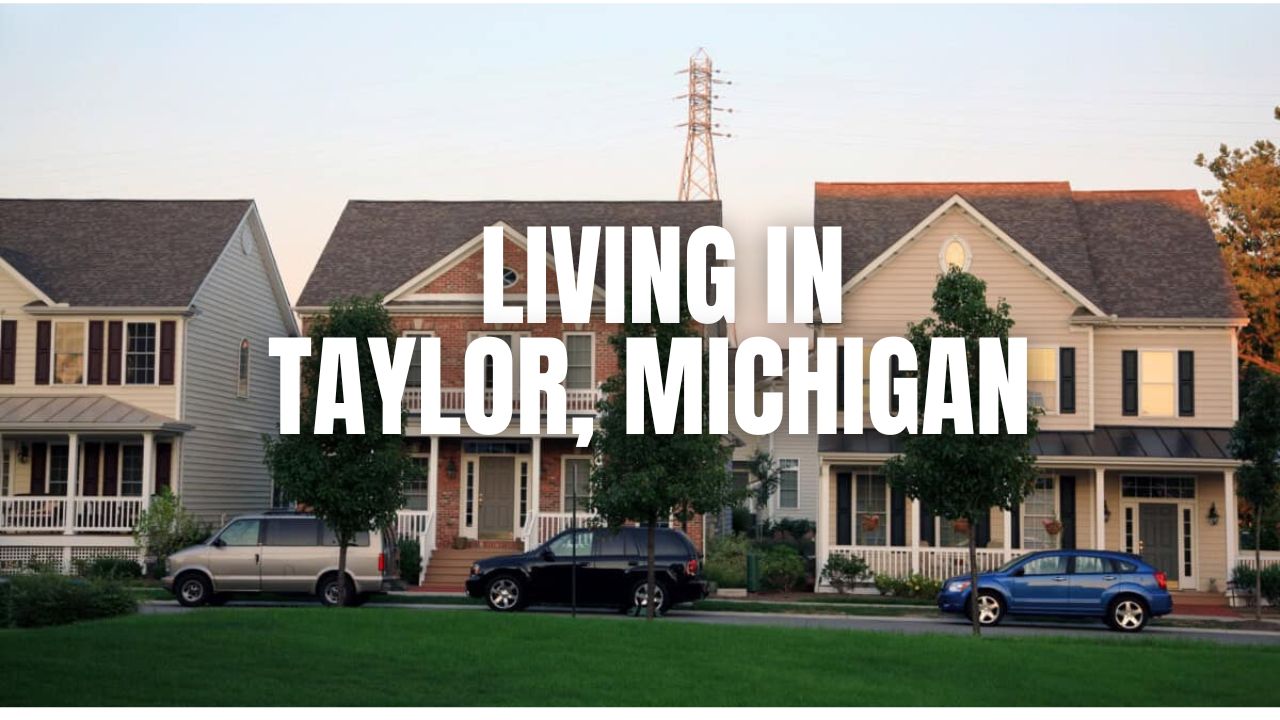
Taylor’s housing stock is diverse due to the city’s size and development history. Common home styles include brick ranches, bungalows, and colonials, with many properties built between the 1950s and 1980s. Lot sizes vary, with some neighborhoods offering deeper yards and others favoring a more compact suburban layout.

Based on U.S. Census Bureau housing data and Niche.com insights, new construction exists but is limited and typically scattered rather than concentrated in large developments. Market activity tends to be steady, reflecting Taylor’s role as an established residential city rather than a high-growth construction area.
Document

Property Taxes in Taylor

Property taxes in Taylor are calculated using local millage rates combined with assessed property values, consistent with Michigan’s statewide tax framework. Rates can differ depending on location, school district boundaries, and voter-approved millages.

According to the Michigan Department of Treasury and City of Taylor resources, property tax obligations should always be verified on an individual property basis, as rates may change over time and vary by neighborhood.

Things to Do & Lifestyle

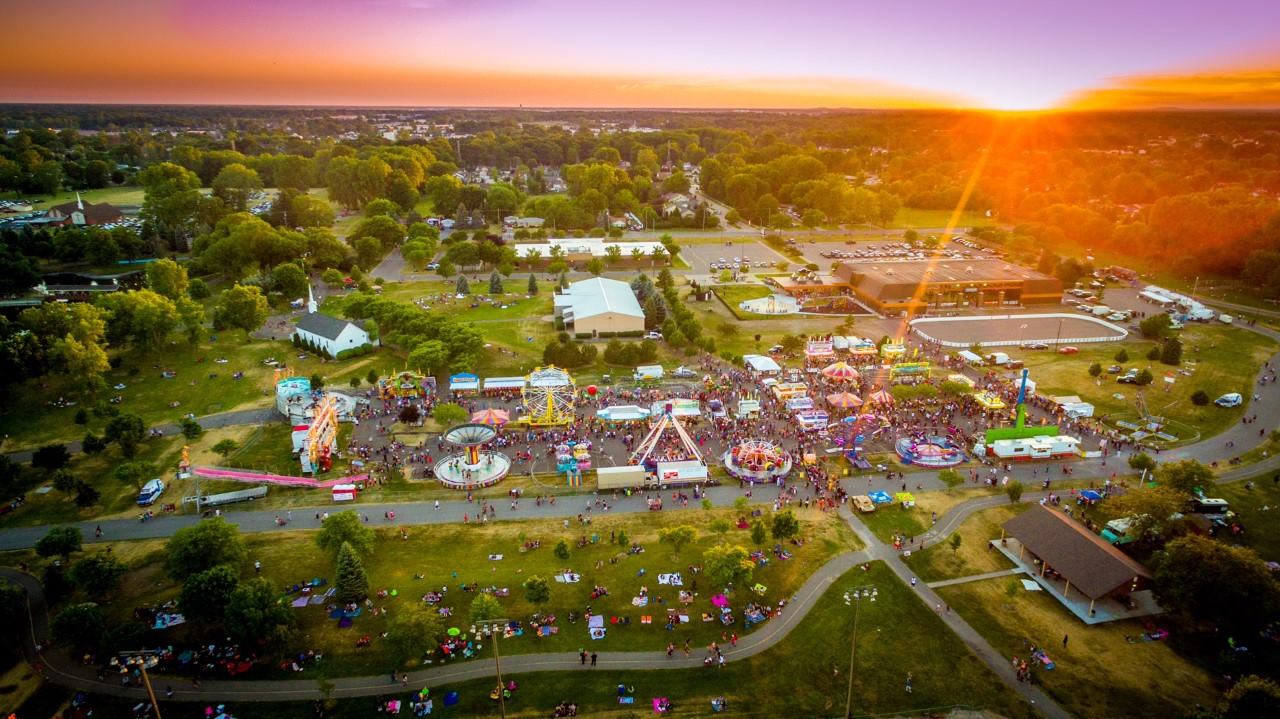
Taylor offers a wide range of lifestyle amenities due to its size and infrastructure. The city is home to several major parks, including Heritage Park, which features walking paths, open green space, sports facilities, and the Taylor Conservatory and Botanical Gardens. Information from the City of Taylor Parks and Recreation Department highlights ongoing community programming and recreational access.

Retail and dining options are plentiful, with Southland Center and surrounding commercial corridors providing shopping and services. While Taylor does not have natural lakes within city limits, nearby Downriver and regional parks offer additional outdoor recreation opportunities, according to Michigan DNR resources.

Schools & Education (Neutral Framing)

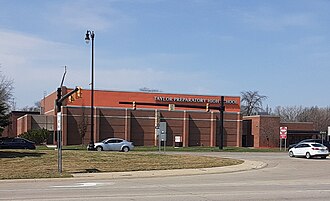
Taylor is served primarily by the Taylor School District, with some areas also accessing neighboring districts depending on location. Educational options include multiple elementary, middle, and high school campuses.

According to GreatSchools.org and Niche.com, school performance varies by school and should be evaluated using multiple indicators such as academic offerings, extracurricular programs, and parent-reported data. Reviewing up-to-date metrics and visiting schools directly can provide clearer insight.

Taylor_Preparatory_High_School,_Taylor,_Michigan

Pros & Cons of Living in Taylor

Pros:

  • Central Downriver location with strong highway access

  • Wide variety of neighborhood pockets

  • Housing costs generally below many Metro Detroit suburbs

  • Large parks and recreation facilities supported by the city

Cons:

  • Neighborhood experience can vary significantly by location

  • Limited large-scale new construction developments

  • Traffic congestion near major commercial corridors

  • Older housing stock may require updates


Frequently Asked Questions About Living in Taylor, Michigan

  1. Is Taylor considered part of Metro Detroit?

    Yes, Taylor is included in the Metro Detroit area per U.S. Census Bureau definitions.

  2. How far is Taylor from Downtown Detroit?

    Approximately 15 miles, depending on route and traffic.

  3. What highways run through Taylor?

    Interstate 75, Interstate 94, and Telegraph Road provide major access.

  4. What types of homes are common in Taylor?

    Primarily ranches, bungalows, and colonials built mid-to-late 20th century.

  5. Does Taylor have parks and recreation facilities?

    Yes, including Heritage Park and multiple neighborhood parks.

  6. Is there new construction in Taylor?

    Limited new construction exists, based on Census housing data.

  7. How large is Taylor geographically?

    Over 23 square miles, according to the U.S. Census Bureau.

  8. What county is Taylor in?

    Wayne County.

  9. Are shopping options nearby?

    Yes, including Southland Center and surrounding retail corridors.

  10. Does Taylor have community programs?

    Yes, offered through city parks and recreation services.

  11. Is public transportation available?

    Regional bus services operate in the area, per local transit authorities.

  12. Are property taxes consistent across Taylor?

    No, rates vary by location and millage, according to Michigan Department of Treasury guidelines.

To Conclude:

If you're looking to move to, from, or within the state of Michigan in one day or a million, I help people do just that and I love it as a Michigan Realtor. Please reach out anytime for help — I’m happy to be your go-to resource.

Question for you!

Which part of Taylor would you want to explore first if you were considering a move there?

Search For All Homes For Sale
See My Home's Current Value
living in michigan | andrew mcmanamon realtor

Andrew McManamon

Founder of Living In Michigan
Michigan Realtor®
[email protected]
Contact Us
www.LivinginMichigan.com

Check Out the EXCLUSIVE "Living In Michigan" Apparel HERELiving In Michigan apparel

Subscribe to the Living in Michigan Newsletter HEREliving in Michigan newsletter | michigan realtor |andrew mcmanamon realtor | living in michigan

Check out recent articles

Thinking About Wayne, Michigan? A Practical (and Slightly …

Thinking About Wayne, Michigan? A Practical (and Slightly …

Wayne, Michigan is a Downriver community known…

Trenton, Michigan Living Guide: Housing Market, Schools, Safety …

Trenton, Michigan Living Guide: Housing Market, Schools, Safety …

Trenton, Michigan is a Downriver community known…

Taylor, Michigan: Best Neighborhood Pockets + Pros/Cons for …

Taylor, Michigan: Best Neighborhood Pockets + Pros/Cons for …

Taylor, Michigan is a large Downriver community…