
Cost of Living Index: Michigan vs the U.S. Average
When it comes to affordability, Michigan continues to be one of the most cost-effective states in the country. Based on current cost-of-living indexes, the U.S. average score is set at 100, and Michigan ranks around 89.8, meaning it’s roughly 11% below the national average.
Here’s a breakdown of the major categories:
- Overall cost of living: 89.8 (below national average)
- Housing: around 65–70 (significantly below average)
- Groceries: just under the national average
- Utilities: about average
- Transportation: higher than average
- Healthcare: slightly below average
In short, Michigan offers one of the best affordability-to-quality ratios in the Midwest — but a few categories can still surprise you.

Utilities: Moody Weather, Moody Bills
If you’ve spent even one winter here, you know that Michigan weather doesn’t mess around. We can experience all four seasons in a single week, which means our heating and cooling bills fluctuate more than in most states.
Michigan’s average electricity rate sits in the middle of the national range, but extreme temperature swings often push monthly bills higher than expected. Smart thermostats, furnace maintenance, and added insulation go a long way in keeping costs in check.
Transportation & Auto Insurance
Transportation costs in Michigan are roughly 15% above the national average, and that’s mainly due to auto insurance. Michigan operates under a “no-fault” insurance system, which means drivers are required to purchase Personal Injury Protection (PIP) coverage to pay for injuries regardless of who’s at fault.
That coverage requirement drives up premiums. On top of that, Michigan consistently ranks among the top states for uninsured drivers — so it’s crucial to get multiple quotes and work with a reputable agent to find the best coverage for your situation.

Income & Wages
The average Michigan resident earns about $59,000 per year, or roughly $28 per hour, which is slightly below the national average of around $66,000.
To live comfortably in 2025, a single adult typically needs an income of around $85,000–$90,000, depending on their location, household size, and spending habits. That level of income allows for a balanced budget covering housing, utilities, transportation, healthcare, and entertainment with room for savings.
Housing Costs
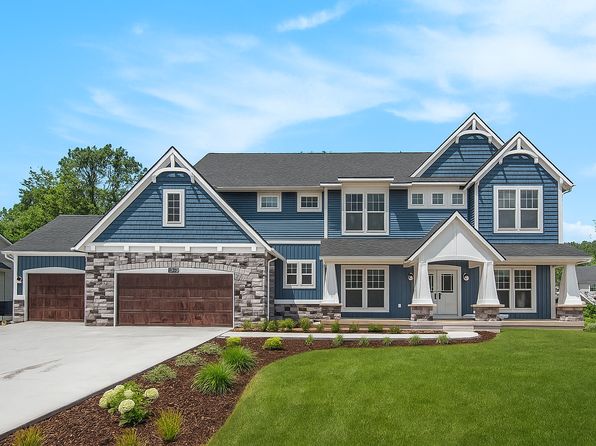
Nearly 70% of Michigan residents own their homes, which is higher than the national average — a sign that homeownership here is relatively attainable.
- Average home value (2025): about $260,000
- Average appreciation (past 12 months): up 2–3%
- Average age of homes: around 47 years
Of course, these numbers vary dramatically by region. In Detroit, homes still hover in the $60,000–$80,000 range in some neighborhoods, while in Ann Arbor or Birmingham, average prices can reach $450,000–$600,000+.
One thing to note: Michigan homeowners typically spend about $16,000 per year on hidden costs such as property taxes, insurance, utilities, and maintenance — still below the national average.
Taxes in Michigan
Michigan has a flat state income tax rate of 4.25%, which keeps things simple for residents. Some cities, such as Detroit, have their own local tax that adds to that percentage, but overall, Michigan’s tax burden is considered moderate compared to other states.
- Sales tax: 6% statewide (no county or city add-ons)
- Gas tax: roughly 27 cents per gallon
- Property tax: average effective rate of about 1.7%, which ranks among the higher tiers nationally but is offset by Michigan’s affordable home prices.
If you want to dive deeper into how property taxes work or how to reduce them, I have several guides on my website that walk through every step.
Education & Healthcare
Michigan is home to some of the best educational and healthcare systems in the Midwest. The University of Michigan and Michigan State University both offer major in-state tuition advantages for residents, often saving tens of thousands of dollars over four years.
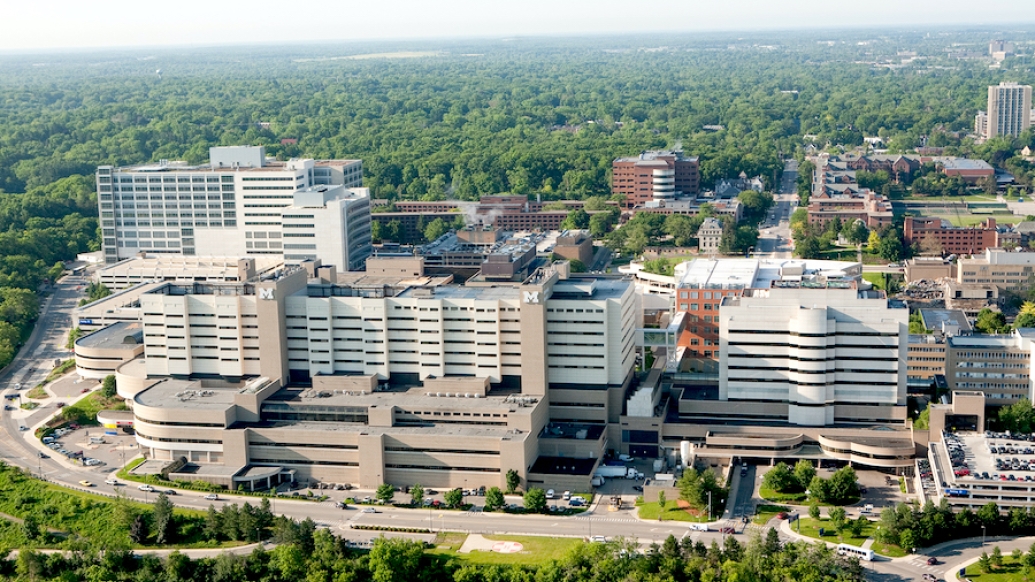
Healthcare costs in Michigan tend to be slightly below the national average. The state benefits from world-class hospital systems like the University of Michigan Health System and Beaumont Health, which provide top-tier care while remaining relatively affordable compared to national benchmarks.
Lifestyle & Miscellaneous Costs
When it comes to entertainment, dining, and recreation, Michigan ranks close to the national average. The variety of affordable options — from small-town diners and local breweries to lakefront vacation rentals — means your cost of living can be as modest or extravagant as you want it to be.
Outdoor lovers enjoy thousands of free or low-cost activities across the state, from hiking and boating to skiing and ice fishing. Those savings can make up for slightly higher expenses in other categories like transportation.
The Bottom Line
So, what’s the real cost of living in Michigan?
If you’re moving from a higher-cost state like California, New York, or Illinois, you’ll likely find Michigan to be a breath of fresh (and affordable) air. Housing is attainable, utilities are manageable, and your dollar stretches further overall — especially if you’re strategic about location.
If you’re already living here, you know it’s not perfect — insurance and property taxes can sting — but for what you get in community, space, and lifestyle, Michigan is one of the most balanced and livable states in the country.
FAQs About the Cost of Living in Michigan
Q: How much do I need to earn to live comfortably in Michigan?
A: Around $85,000–$90,000 per year for a single adult, depending on where you live and your personal lifestyle.
Q: Is Michigan affordable compared to other states?
A: Yes — Michigan’s cost of living is roughly 10–11% below the U.S. average, mainly due to lower housing and healthcare costs.
Q: Why is car insurance so expensive in Michigan?
A: Michigan’s no-fault insurance system requires higher coverage limits (PIP), which increases premiums.
Q: Are utilities expensive in Michigan?
A: They can be slightly above average due to extreme weather swings, but proper insulation and energy efficiency upgrades can help offset those costs.
Q: What are the average home prices in Michigan?
A: Around $270,000 statewide in 2025, though it varies widely by city and county.
Q: Does Michigan have property tax breaks for homeowners?
A: Yes — Michigan offers a principal residence exemption and several senior and veteran tax relief programs.
Q: What’s the biggest financial advantage of living in Michigan?
A: Housing affordability, access to freshwater recreation, and a relatively low overall cost of living compared to national averages.
Final Thoughts
Every state has trade-offs, but Michigan’s affordability paired with its natural beauty, strong job markets, and high quality of life make it a compelling place to call home. Whether you’re relocating for work, retirement, or just a lifestyle change, Michigan continues to offer incredible value in 2025 and beyond.
If you’re thinking about moving to or within Michigan and want help understanding the housing market or area costs more deeply, reach out anytime — I’m happy to guide you through it.




Moving to Silver Creek Township, Michigan? What to …
Silver Creek Township, Michigan is where Cass…

Living in Porter Township (Cass County), Michigan: Pros, …
Porter Township, Michigan is a lake-studded rural…

Thinking About Pokagon Township, Michigan? A practical guide
Pokagon Township, Michigan is one of Cass…
Check out this article next

Leave a Reply
You must be logged in to post a comment.