
Introduction
If you’re looking for wide-open space, lower housing density, and a quiet rural setting in Michigan’s Thumb region, Buel Township may already be on your radar.
Located in Sanilac County, Buel Township is primarily agricultural and residential, offering a slower pace of life compared to larger cities. People considering a move here are often looking for land, privacy, or a rural lifestyle within driving distance of small city conveniences.
In this guide, we’ll walk through what it’s really like to live in Buel Township — including housing, property taxes, cost of living considerations, schools, and lifestyle factors — so you can decide whether it aligns with your long-term goals.
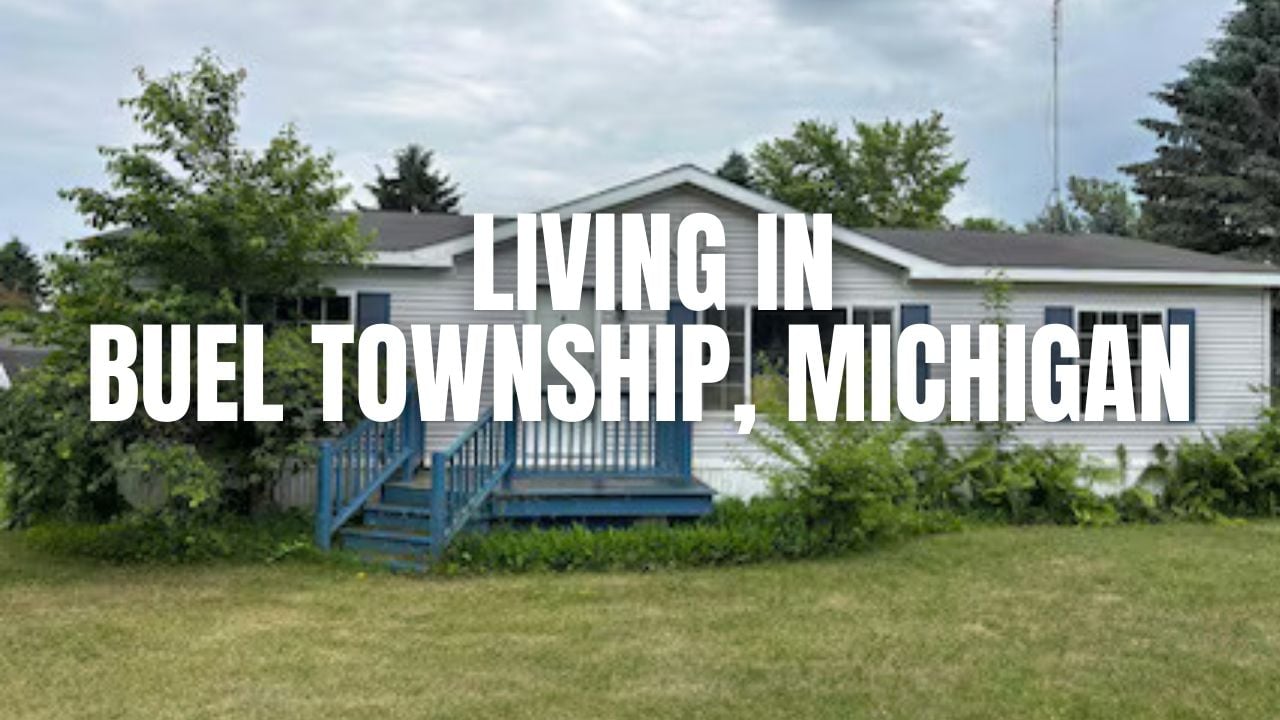
Cost of Living in Buel Township, Michigan
Cost of living in Buel Township tends to reflect its rural character.
According to the U.S. Census Bureau, median home values in rural Sanilac County communities are generally lower than Michigan’s statewide median. Niche.com also reports that Sanilac County overall has housing costs below the national average.
Because Buel Township is primarily residential and agricultural, utility costs and transportation expenses are similar to other rural Michigan areas. The Bureau of Labor Statistics Midwest regional data shows typical utility and fuel expenses consistent with statewide rural averages.
There are limited commercial districts within the township itself, so many residents travel to nearby Sandusky for shopping and services.
As always, individual costs depend on property type, acreage, and commuting patterns.
Real Estate & Housing Overview
Housing in Buel Township is largely made up of single-family homes, farmhouses, and rural properties.
Based on U.S. Census Bureau housing data for the township:
Most homes are detached single-family residences
Many properties sit on large lots or agricultural acreage
A significant portion of housing stock was built between the 1950s and 1990s
New construction is limited compared to suburban growth areas, though occasional custom builds on private land do occur.
Because inventory is typically lower than in urban markets, buyers may see fewer listings at any given time. Market trends generally move at a slower pace compared to high-density regions, according to regional MLS reporting.
Buyers looking for acreage or agricultural property may find options that are difficult to locate in more developed counties.
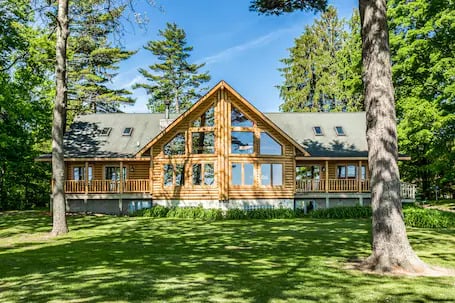





The Truth About Wayne Township, Michigan: Neighborhoods, Prices, …
Wayne Township, Michigan sits in the northern…
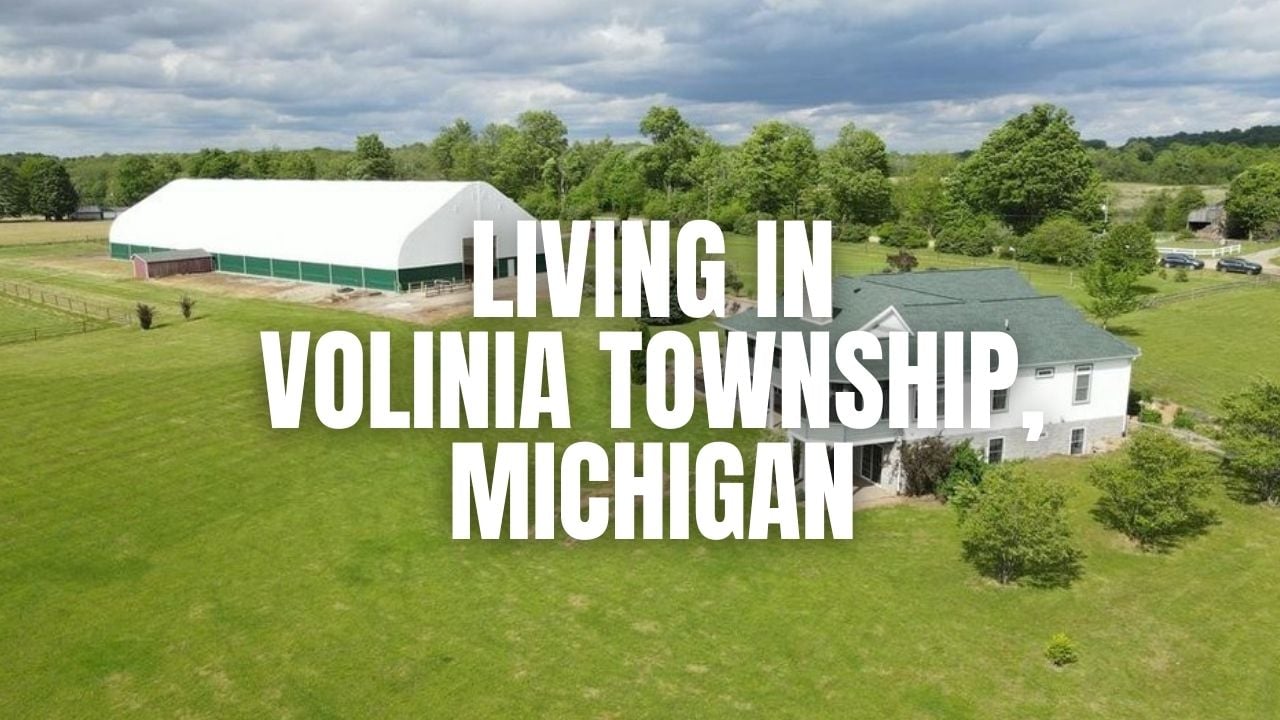
Is Volinia Township, Michigan a Good Place to …
Volinia Township, Michigan is one of Cass…
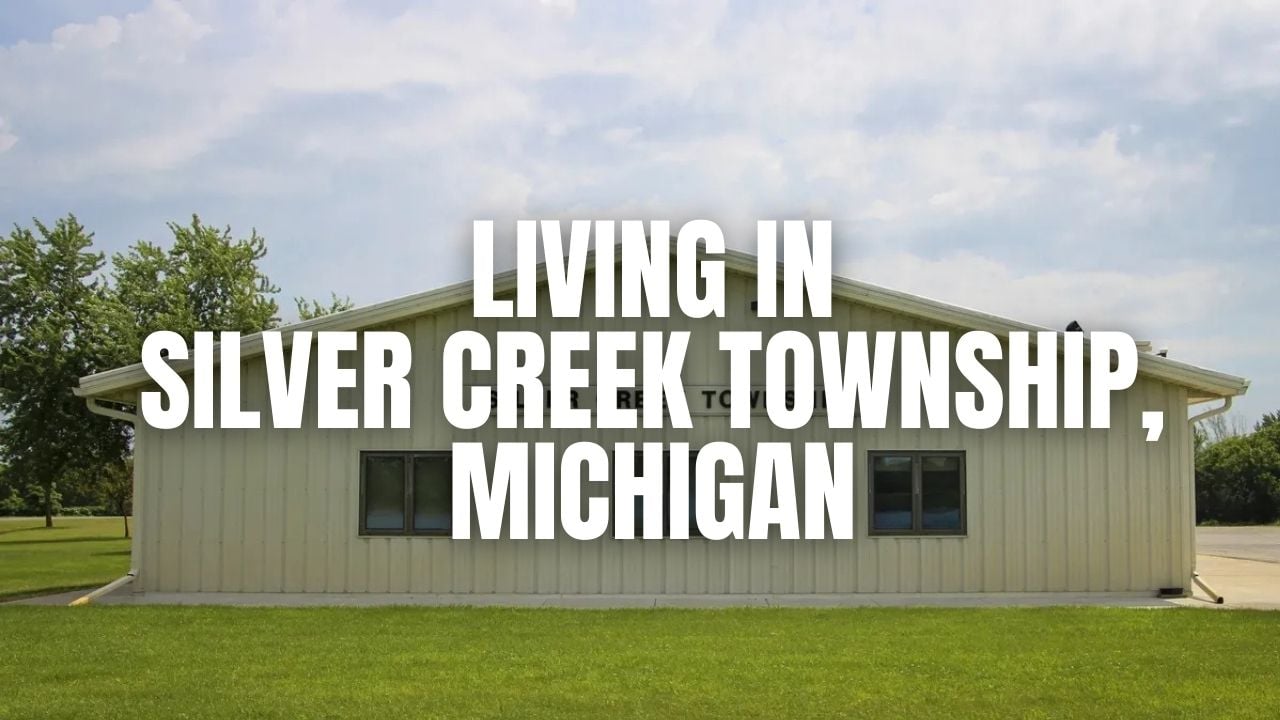
Moving to Silver Creek Township, Michigan? What to …
Silver Creek Township, Michigan is where Cass…