
Introduction
Eastpointe, Michigan is one of those communities people often drive through before realizing how much it actually offers. Located in southern Macomb County, Eastpointe attracts buyers who want close proximity to Detroit, reasonable home prices, and a straightforward suburban layout without the guesswork. It’s not flashy, but it’s practical — and for many people, that’s exactly the point.
If you’re researching Eastpointe, Michigan, chances are you’re looking for an honest breakdown of neighborhoods, housing costs, taxes, and day-to-day lifestyle. Let’s walk through what living in Eastpointe is really like so you can decide if it fits your long-term plans.
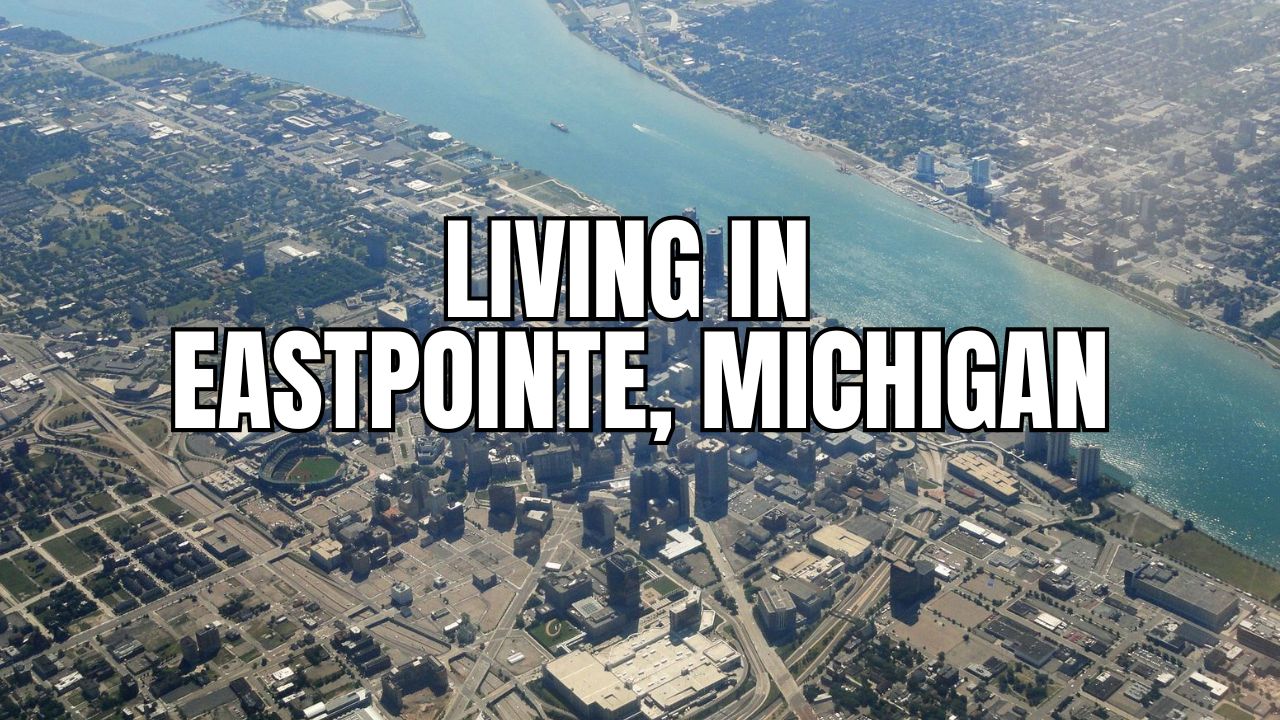
Cost of Living in Eastpointe, Michigan
The cost of living in Eastpointe is often cited as being lower than many nearby Metro Detroit communities. According to data from BestPlaces.net, Eastpointe’s overall cost of living index typically falls below the Michigan average, with housing being the largest contributing factor.
Based on U.S. Census Bureau American Community Survey data, Eastpointe’s median home values and rents tend to be more accessible compared to Oakland County and some neighboring Macomb County cities. Utilities and transportation costs are generally in line with state averages, according to the Bureau of Labor Statistics regional price data.
It’s worth noting that actual costs vary by household size, housing choice, and commuting needs, so personal expenses may differ.
Real Estate & Housing Overview
Eastpointe’s housing stock is largely made up of mid-20th-century construction. According to U.S. Census Bureau housing data, most homes were built between the 1940s and 1970s, which explains the prevalence of brick ranches, bungalows, and smaller Cape Cod–style homes.
Common housing characteristics include:
Single-story brick ranch homes
Modest lot sizes typical of inner-ring suburbs
Detached garages and paved driveways
Limited but occasional small-scale new construction
Based on local MLS trend summaries and Niche.com housing data, Eastpointe’s real estate market is driven primarily by resale homes rather than new developments. Market activity fluctuates with broader Metro Detroit conditions, but no long-term projections or guarantees should be assumed.




Moving to Portage, Michigan? What to Know About …
Thinking about moving to Portage, Michigan? This…
Living in Parchment, Michigan: Pros, Cons, Cost of …
Thinking about living in Parchment, Michigan? This…

Thinking About Kalamazoo, Michigan? A practical guide
Thinking about moving to Kalamazoo, Michigan? This…