Introduction
If you’re searching for a quieter place to live in Southeast Michigan with more open space and fewer urban distractions, Lynn Township, Michigan may catch your attention.
Located in St. Clair County, Lynn Township offers a rural setting with farmland, country roads, and homes often sitting on larger parcels of land. People exploring relocation options sometimes look at areas like this when they want a slower pace of life while still staying within driving distance of larger communities.
In this guide, we’ll walk through what living in Lynn Township actually looks like — including housing styles, cost of living, property taxes, schools, and local lifestyle factors — so you can get a realistic picture before making a move.
Cost of Living in Lynn Township, Michigan
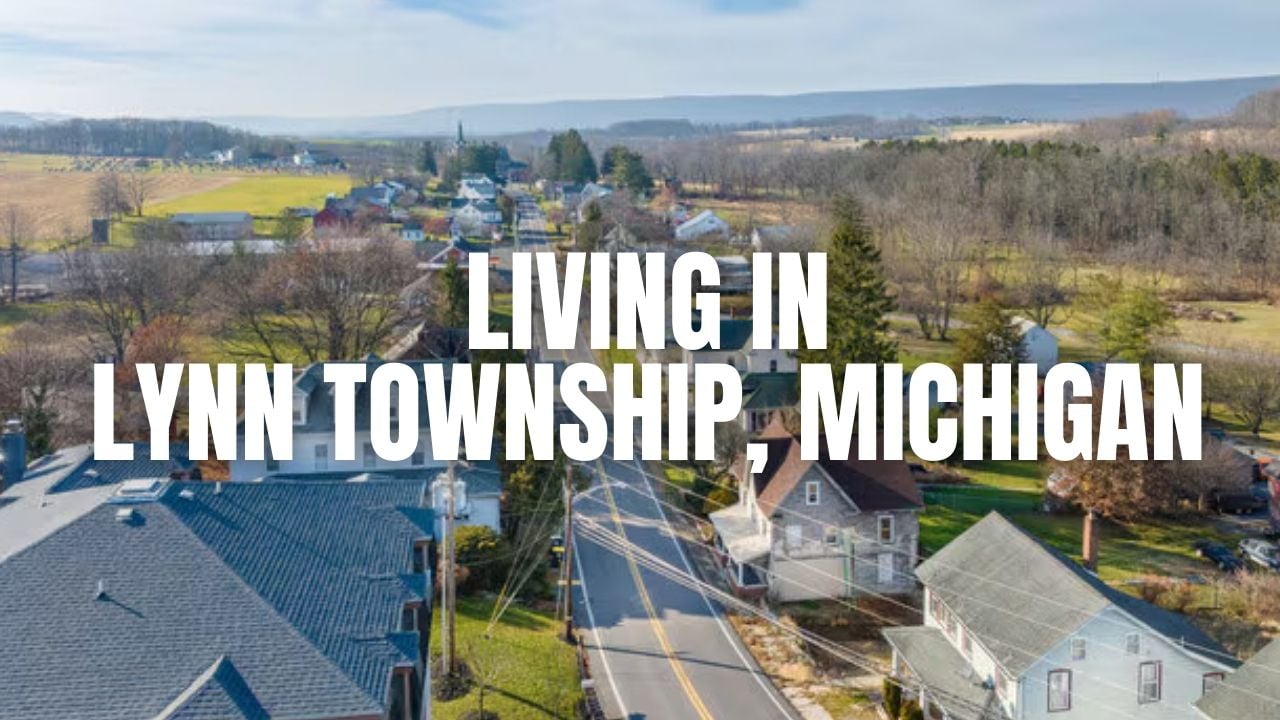
The cost of living in Lynn Township is generally influenced by its rural location and housing inventory.
According to U.S. Census Bureau housing data for St. Clair County townships, home prices and property costs in rural areas often fall below those found in major metropolitan suburbs.
BestPlaces.net indicates that St. Clair County’s overall cost of living index is typically below the national average. Housing tends to be the largest factor affecting cost differences between rural townships and more urban areas.
Utilities and transportation expenses follow typical Midwest averages, based on regional data published by the Bureau of Labor Statistics.
Because Lynn Township is largely residential and agricultural, individual costs can vary widely depending on property size, home age, and commuting distance.
Real Estate & Housing Overview
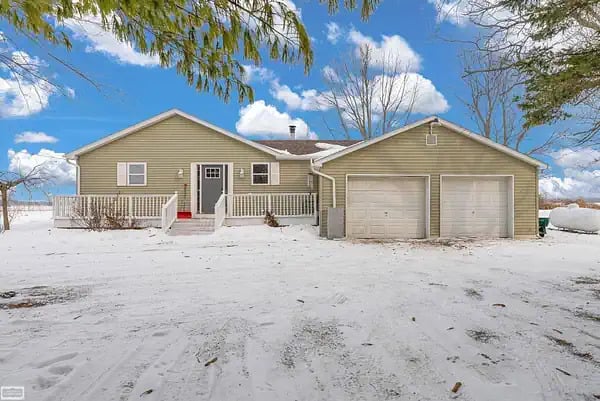
Housing in Lynn Township is mostly rural residential and agricultural property.
According to U.S. Census Bureau housing age data for similar townships in St. Clair County, homes are commonly built between the 1960s and early 2000s, with some older farmhouses dating back further.
Typical property characteristics include:
Single-family homes on large lots
Farmhouses and rural homesteads
Ranch-style homes and traditional two-story houses
Acreage properties used for agriculture or hobby farming
Lot sizes are generally larger than suburban communities, which is one reason some buyers consider rural townships like Lynn.
New subdivision-style development is limited. Instead, housing inventory tends to come from existing homes or newly built properties on individual parcels.
Local MLS data in St. Clair County shows rural properties often attract buyers seeking land, privacy, or space for outdoor activities.



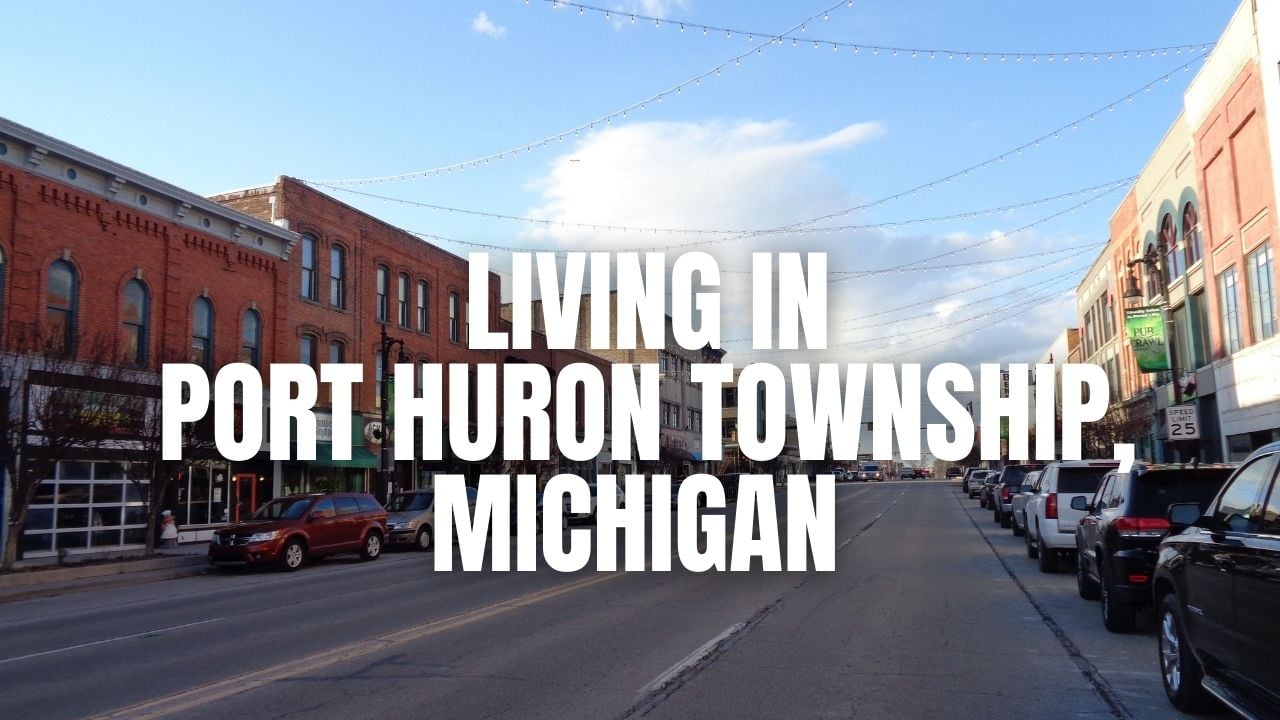
Before You Move to Port Huron Township, Michigan: …
Thinking about moving to Port Huron Township,…
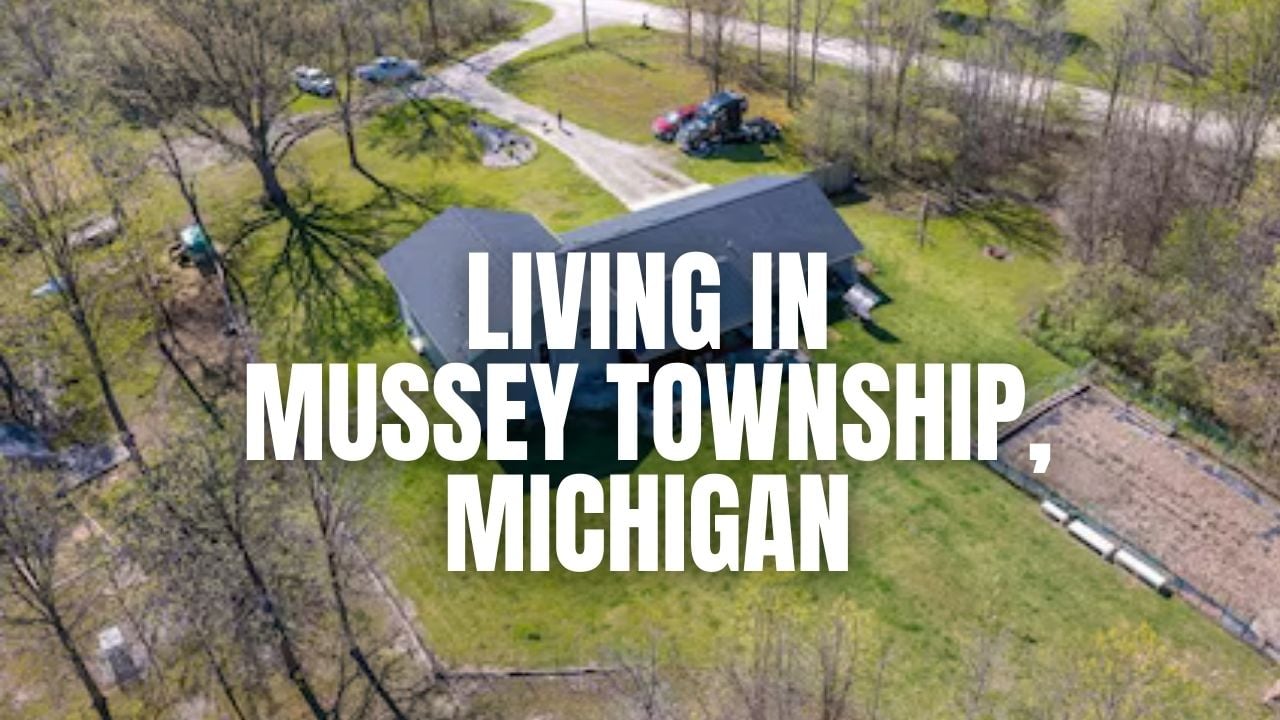
Mussey Township, Michigan Relocation Guide: Vibe, Housing, Amenities …
Thinking about relocating to Mussey Township, Michigan?…
The Truth About Lynn Township, Michigan: Neighborhoods, Prices, …
Considering a move to Lynn Township, Michigan?…