
Introduction
If you're exploring rural Michigan townships where open space matters more than traffic lights, Maple Valley Township, Michigan may already be on your list.
Located in Sanilac County, this township offers a primarily agricultural landscape, low population density, and a quiet setting that feels distinctly different from suburban or metro communities. People considering a move here are typically looking for land, privacy, and a slower pace of life.
This guide breaks down what you should realistically expect — including housing, taxes, schools, and everyday lifestyle considerations — so you can determine if Maple Valley Township aligns with your goals.
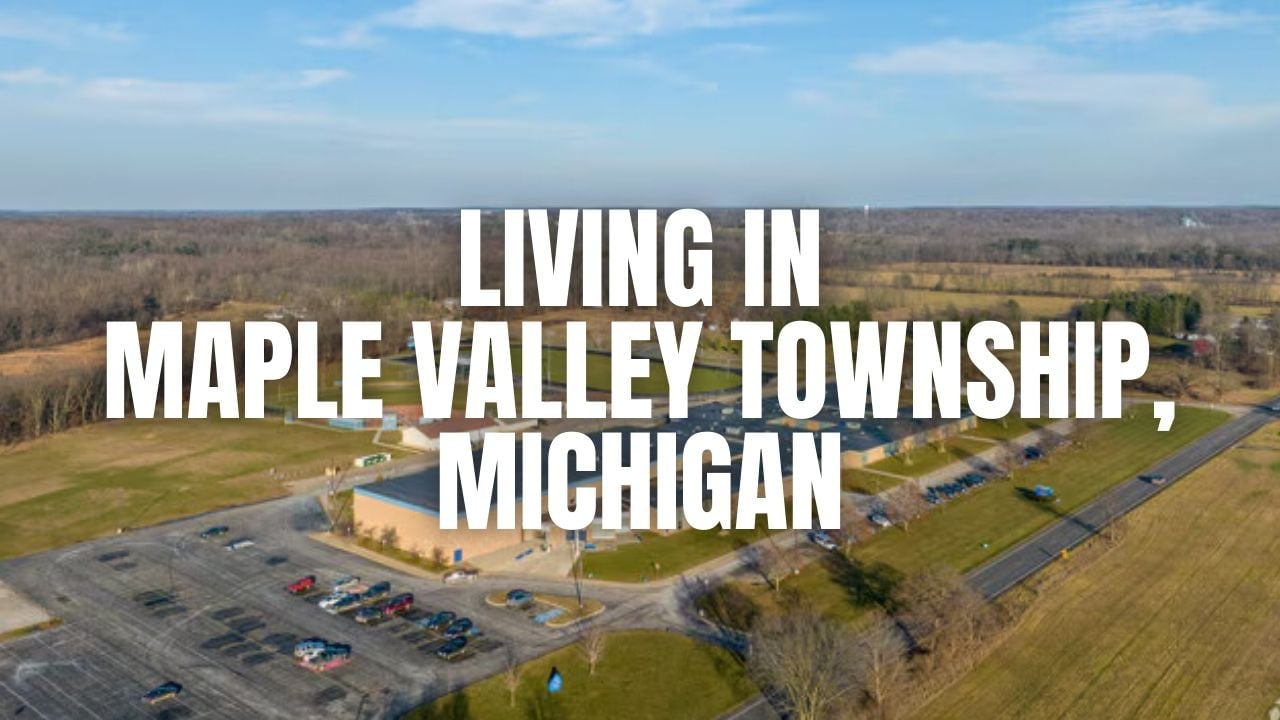
Cost of Living in Maple Valley Township, Michigan
Because Maple Valley Township is rural, cost-of-living data is often reflected at the county level.
According to the U.S. Census Bureau, Sanilac County’s median household income is below the Michigan statewide median, and housing values tend to reflect that regional pricing.
BestPlaces.net reports that Sanilac County’s cost of living index is below the national average, primarily driven by housing affordability.
Housing costs in Maple Valley Township generally consist of single-family homes, farmhouses, and properties with acreage. Niche.com data for Sanilac County indicates median home values that are lower than many Michigan suburban counties.
Utilities and transportation expenses in rural areas can vary depending on well/septic systems and commute distances. The Bureau of Labor Statistics provides regional Midwest data showing energy and transportation costs generally align with statewide averages.
As always, individual expenses depend on property size, infrastructure, and driving distance to employment centers.
Real Estate & Housing Overview
Maple Valley Township housing is predominantly single-family homes on larger parcels of land.
Based on U.S. Census Bureau housing data for rural townships in Sanilac County:
A significant portion of homes were built between the mid-1900s and early 2000s
Owner-occupied properties make up the majority of housing
Lot sizes often range from multiple acres to agricultural parcels
You’ll commonly find:
Farmhouses and agricultural homesteads
Ranch-style homes
Modular or manufactured homes on private land
New construction exists but is limited compared to high-growth suburban markets. MLS data in rural Sanilac County typically shows steady, lower-volume transactions rather than rapid turnover.
Market activity tends to be influenced by land value, acreage size, and agricultural use rather than dense subdivision development.





The Truth About Wayne Township, Michigan: Neighborhoods, Prices, …
Wayne Township, Michigan sits in the northern…
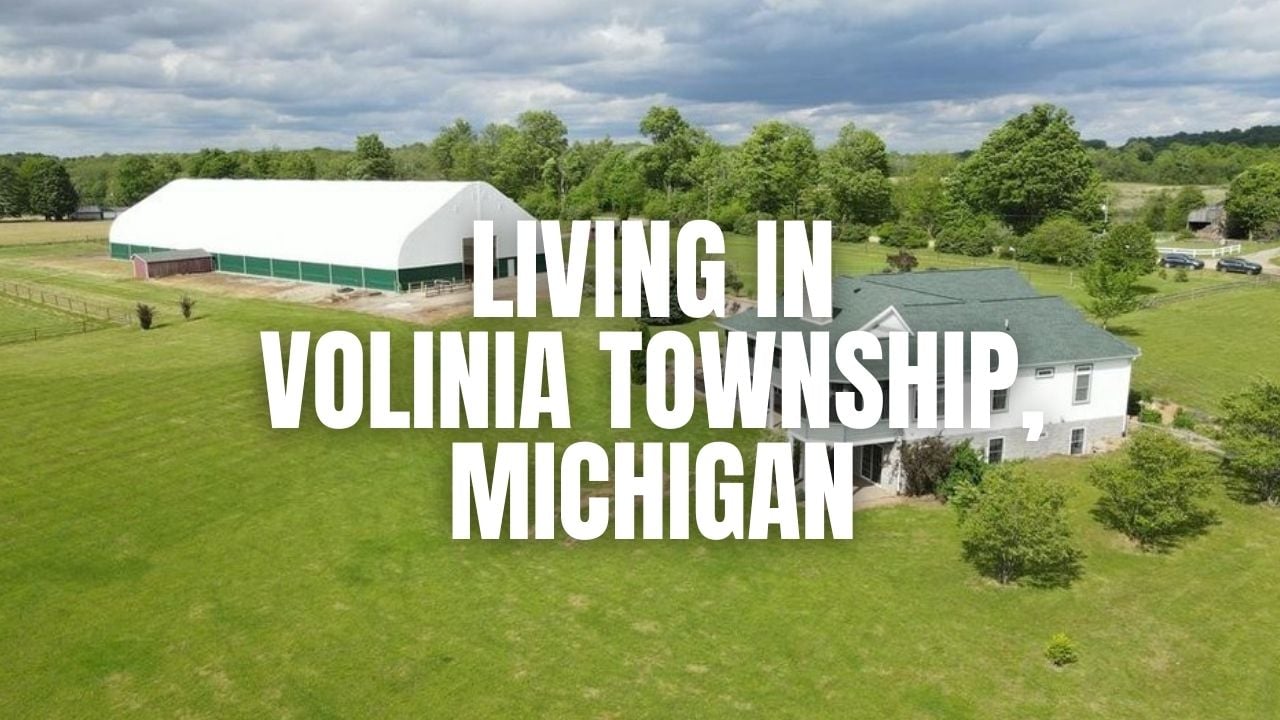
Is Volinia Township, Michigan a Good Place to …
Volinia Township, Michigan is one of Cass…
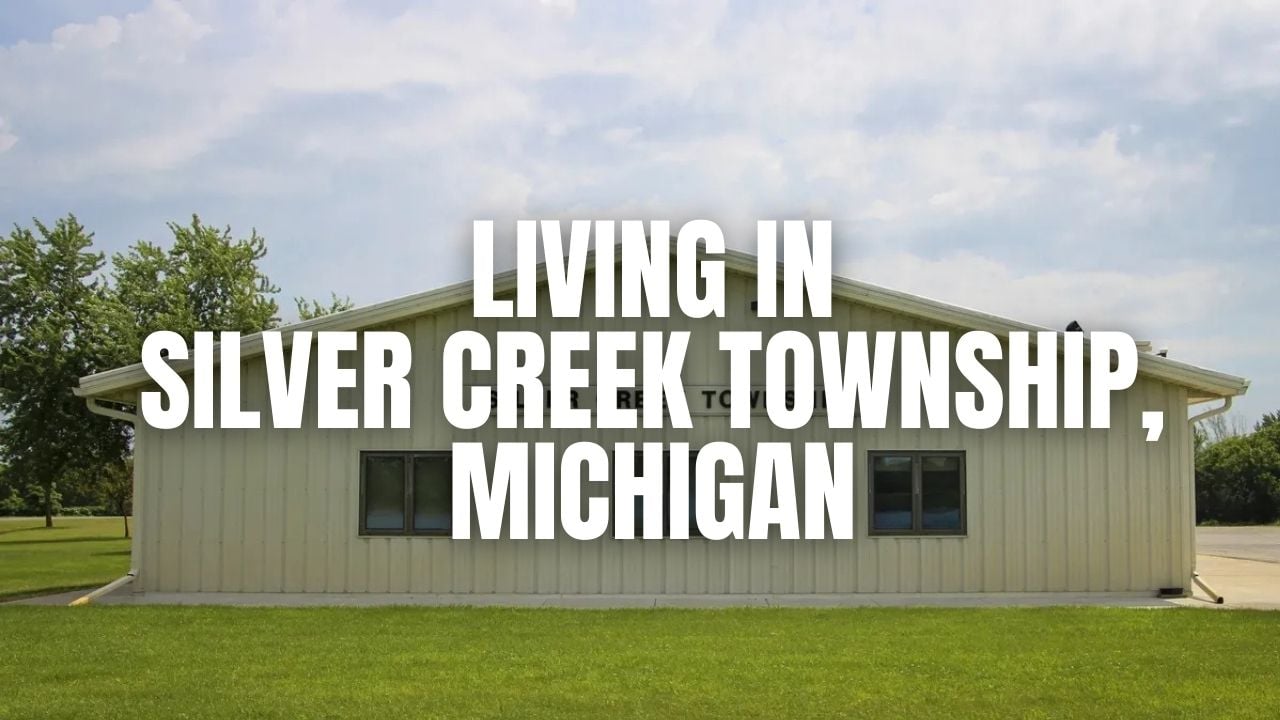
Moving to Silver Creek Township, Michigan? What to …
Silver Creek Township, Michigan is where Cass…