
Introduction
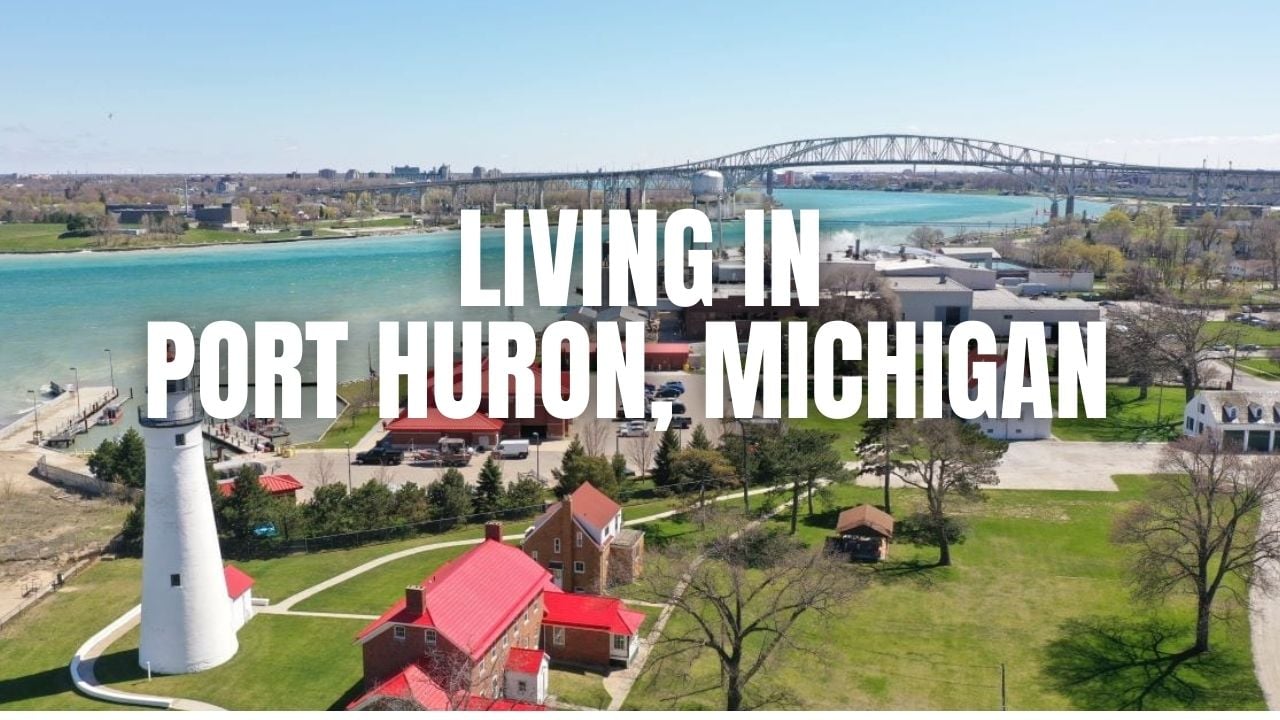
Port Huron, Michigan sits where Lake Huron meets the St. Clair River — and that geography alone makes it stand out.
As the easternmost city in Michigan and the county seat of St. Clair County, Port Huron offers waterfront views, historic neighborhoods, and direct international access via the Blue Water Bridge. Some people are drawn here for affordability. Others appreciate the boating culture and walkable downtown.
If you’re considering a move, here’s an honest, data-backed look at neighborhoods, home prices, property taxes, schools, and everyday life in Port Huron.
Cost of Living in Port Huron, Michigan
One of Port Huron’s most discussed advantages is housing affordability.
According to U.S. Census Bureau data, the median home value in Port Huron is significantly lower than the Michigan statewide median. Niche.com also reports home values below state averages.
BestPlaces.net indicates that Port Huron’s overall cost of living index is below the national average.
Utilities and transportation expenses generally align with Midwest averages, based on regional data from the Bureau of Labor Statistics.
As always, individual budgets will vary depending on neighborhood, housing type, and commuting patterns.
Real Estate & Housing Overview
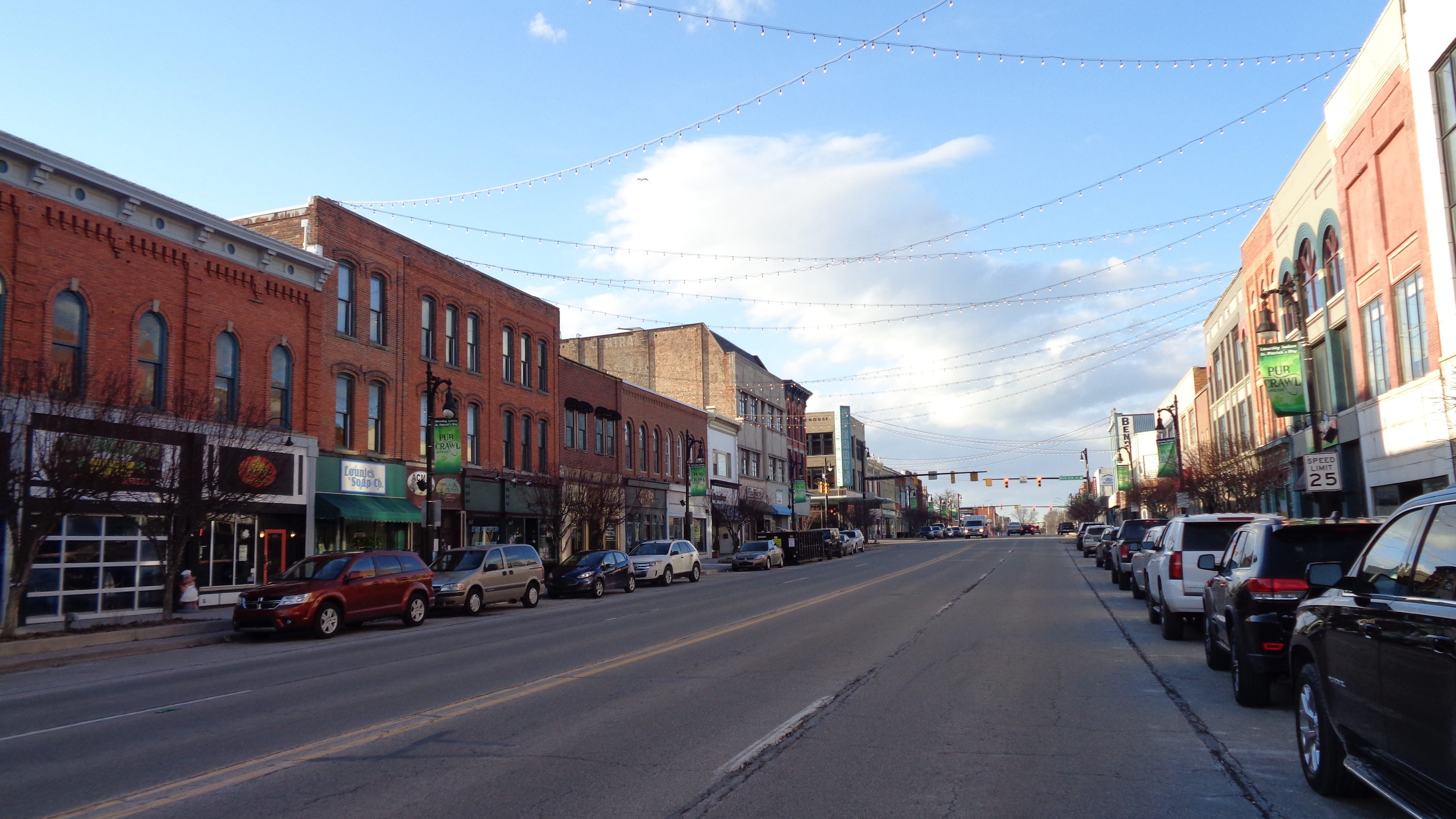
Port Huron’s housing stock is diverse and historically layered.
Based on U.S. Census Bureau housing data:
Many homes were built before 1960
Owner-occupied housing represents a substantial portion of properties
Architectural styles vary widely depending on neighborhood
Common property types include:
Historic Victorian and early 20th-century homes
Mid-century ranches
Smaller bungalows
Waterfront homes along Lake Huron and the St. Clair River
New construction is limited compared to fast-growing suburban markets, though infill development and renovations are common in certain areas.
Local MLS data shows pricing differences depending on proximity to the water, downtown, and school district boundaries.





The Truth About Wayne Township, Michigan: Neighborhoods, Prices, …
Wayne Township, Michigan sits in the northern…

Is Volinia Township, Michigan a Good Place to …
Volinia Township, Michigan is one of Cass…

Moving to Silver Creek Township, Michigan? What to …
Silver Creek Township, Michigan is where Cass…