
Introduction
If you’re looking for a quieter Michigan community with access to lakes and rural landscapes, Bronson, Michigan may be a place worth considering.
Located in Branch County in the southern part of the state, Bronson offers a small-city environment with a slower pace of life compared to larger urban areas. Some people move here for the lower housing costs and proximity to outdoor recreation, while others appreciate the community-oriented downtown and nearby lakes.
Before making any relocation decision, it helps to understand the realities of living in a smaller Michigan city. In this guide, we’ll walk through Bronson’s housing market, cost of living, schools, property taxes, and lifestyle.
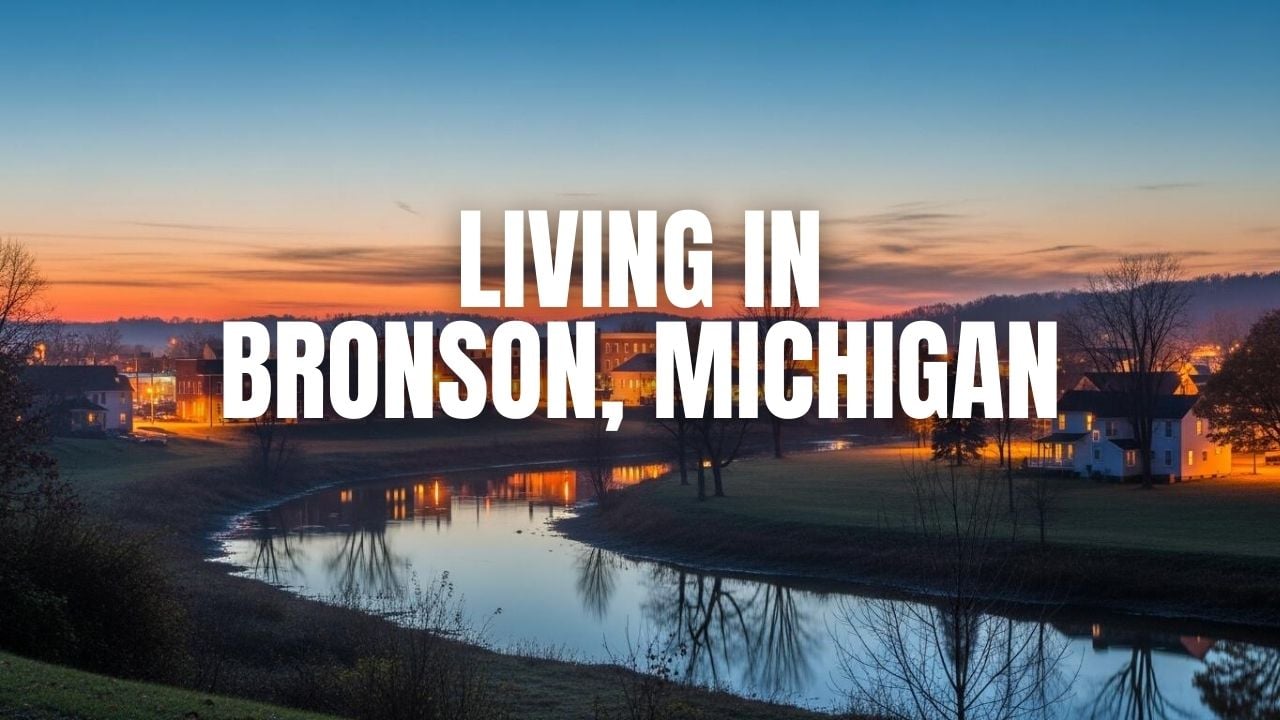
Cost of Living in Bronson, Michigan
One factor that draws attention to Bronson is its relatively low housing costs compared to statewide averages.
According to U.S. Census Bureau housing data, median home values in Bronson are typically below the Michigan statewide median. Niche.com also reports housing affordability as one of the more accessible aspects of living in the community.
BestPlaces.net indicates that the overall cost of living in Bronson is below the national average.
Utilities, groceries, and transportation costs generally align with Midwest regional averages, according to the Bureau of Labor Statistics.
Like any community, individual expenses will vary depending on housing choices, commuting patterns, and household needs.
Real Estate & Housing Overview
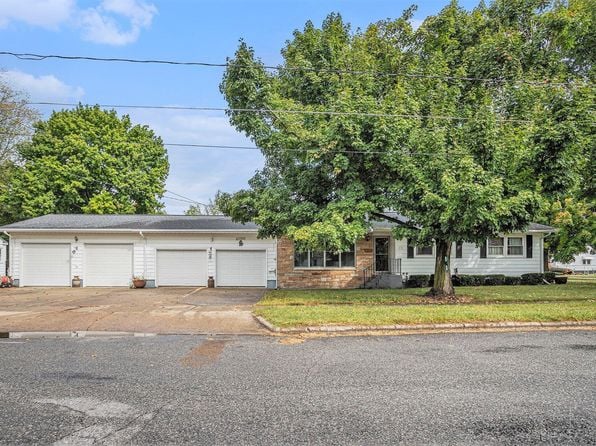
Bronson’s housing market consists primarily of established homes built across several decades.
According to U.S. Census Bureau housing data:
A significant share of homes were built between the 1940s and 1980s
Owner-occupied housing makes up the majority of properties
Lot sizes tend to be larger than those found in urban areas
Common home styles in Bronson include:
Ranch-style homes
Traditional two-story homes
Older historic homes near downtown
Rural homes and farmhouses on larger parcels outside city limits
New construction exists but occurs at a relatively modest pace compared with rapidly growing suburbs.
Local MLS market data typically shows steady activity with price points influenced by property size, location, and proximity to nearby lakes.



Before You Move to Butler Township, Michigan: The …
Thinking about relocating to Butler Township, Michigan?…
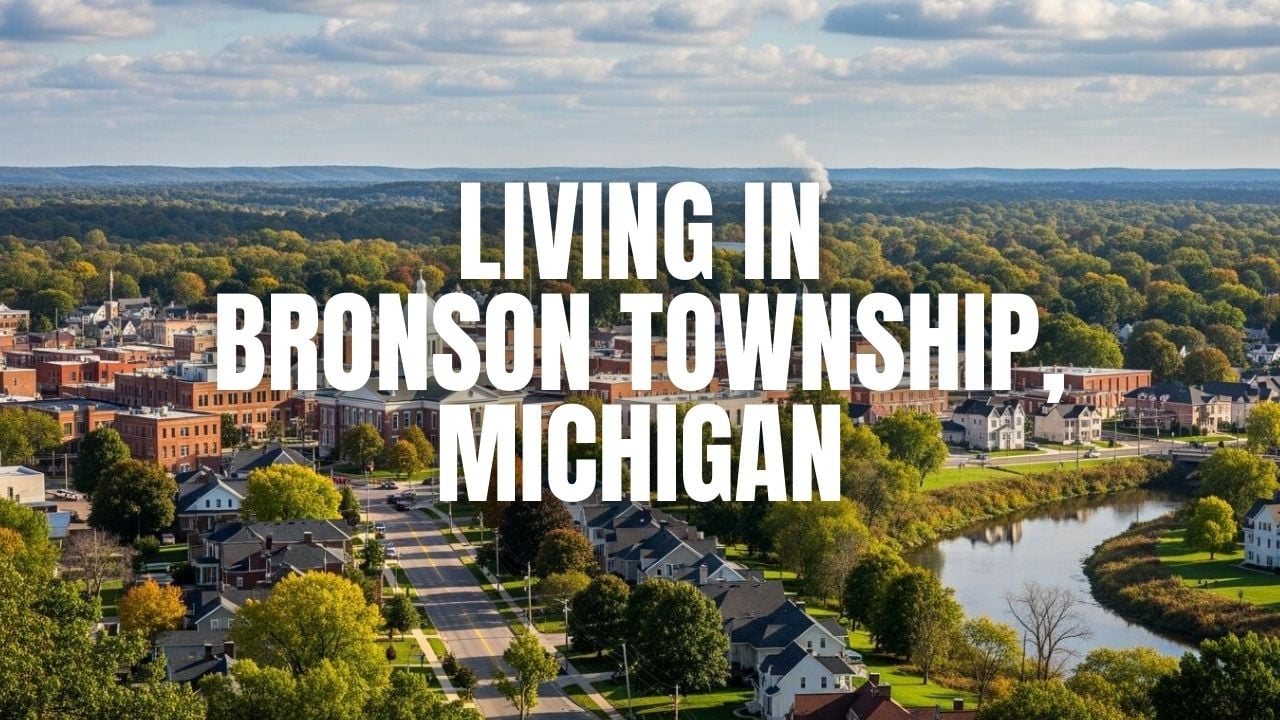
Bronson Township, Michigan Relocation Guide: Vibe, Housing, Amenities …
Considering a move to Bronson Township, Michigan?…
The Truth About Bethel Township, Michigan: Neighborhoods, Prices, …
Thinking about living in Bethel Township, Michigan?…