
Introduction
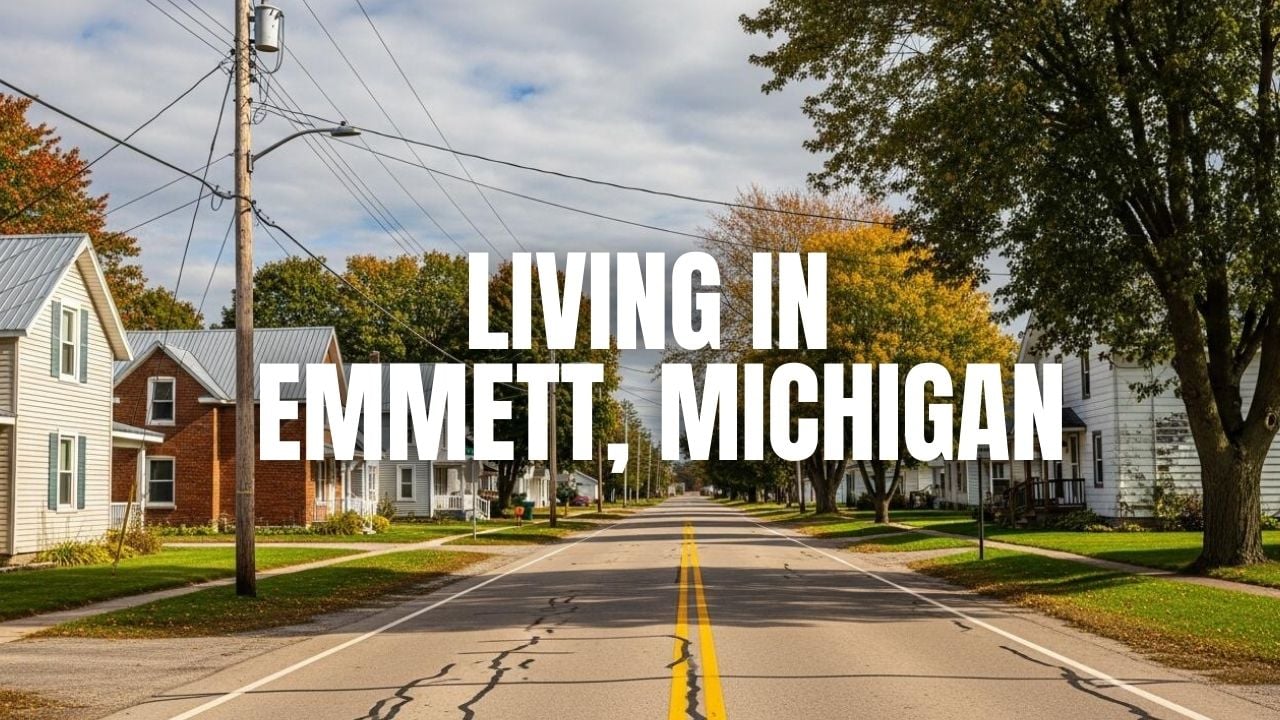
If you’re looking for a quieter part of Southeast Michigan with open space and a slower pace, Emmett, Michigan might catch your attention.
Located in St. Clair County, Emmett is a small community surrounded by farmland and rural residential neighborhoods. Many people consider living here because it offers larger properties and a countryside atmosphere while still being within driving distance of Port Huron and major regional highways.
This guide walks through what it’s actually like to live in Emmett, Michigan — including housing, property taxes, schools, cost of living, and the everyday lifestyle you can expect.
Cost of Living in Emmett, Michigan
Cost of living in Emmett tends to align with rural Michigan communities, where housing and land prices are often lower than larger metropolitan suburbs.
According to U.S. Census Bureau housing data, property values in Emmett Township are generally below the statewide median home value. Niche.com also reports that housing affordability is a common reason residents choose smaller communities in St. Clair County.
BestPlaces.net indicates that St. Clair County’s overall cost of living typically sits near or slightly below national averages.
Utility and transportation costs tend to follow broader Midwest trends reported by the Bureau of Labor Statistics.
Actual living expenses will vary depending on property size, commuting distance, and household needs.
Real Estate & Housing Overview
The housing landscape in Emmett reflects its rural setting.
Based on U.S. Census Bureau housing statistics for Emmett Township:
Many homes were built between the 1970s and early 2000s
Owner-occupied homes make up the majority of housing units
Lot sizes are often significantly larger than suburban subdivisions
Common property types include:
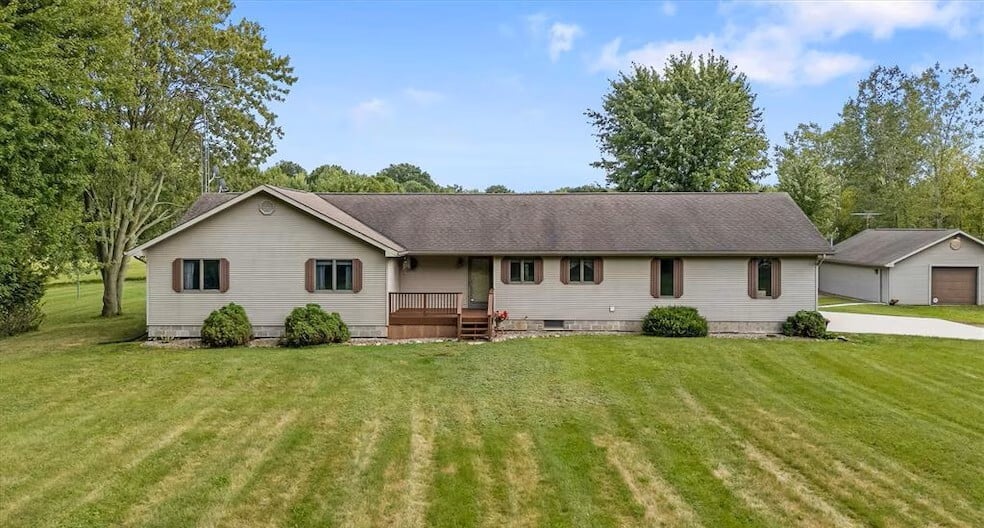
Ranch-style homes
Farmhouses and country homes
Modular or manufactured homes on acreage
Small residential clusters along rural roads
New construction occurs periodically, though it is limited compared to rapidly growing suburban communities closer to Detroit.
Local MLS data typically shows lower inventory levels due to the smaller housing supply in rural townships



Is Volinia Township, Michigan a Good Place to …
Volinia Township, Michigan is one of Cass…
Moving to Silver Creek Township, Michigan? What to …
Silver Creek Township, Michigan is where Cass…
Living in Porter Township (Cass County), Michigan: Pros, …
Porter Township, Michigan is a lake-studded rural…