
Introduction
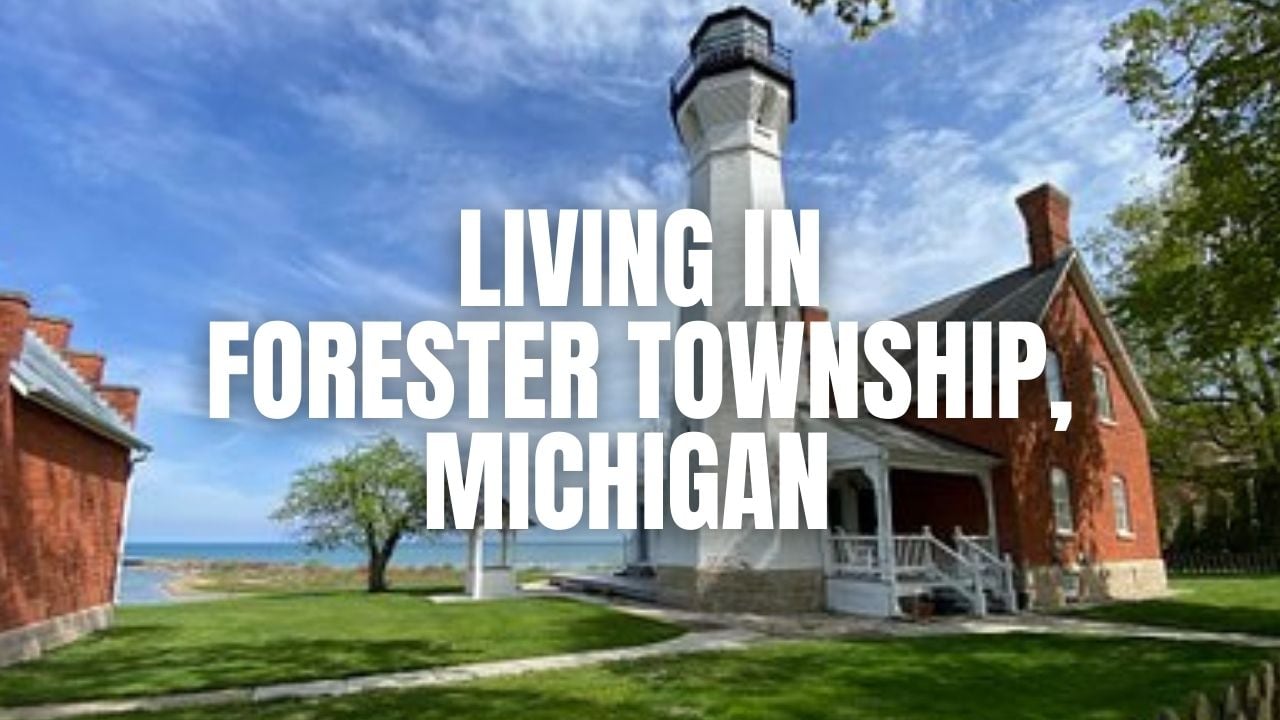
If you’re exploring quieter corners of Michigan — especially along Lake Huron’s Thumb region — Forester Township, Michigan might be on your list.
Located in Sanilac County, this rural township offers shoreline access, agricultural landscapes, and a low-density residential setting. People typically consider Forester Township for space, proximity to Lake Huron, or a slower pace compared to urban and suburban communities.
This guide walks through what to expect: housing, cost of living, schools, property taxes, and lifestyle realities — so you can make an informed decision.
Cost of Living in Forester Township, Michigan
Because Forester Township is a small rural community, hyper-local cost of living indexes are limited.
According to the U.S. Census Bureau’s American Community Survey, housing costs in Sanilac County are generally lower than the Michigan statewide median. Niche.com reports that Sanilac County home values trend below the national average.
BestPlaces.net indicates that Sanilac County’s overall cost of living index is below the U.S. average, particularly in housing.
Utilities and transportation costs align with Midwest regional averages, based on Bureau of Labor Statistics data. However, transportation expenses can vary depending on commute distance, since most residents rely on personal vehicles.
As with any rural area, actual costs depend heavily on property type — especially lakefront versus inland homes.
Real Estate & Housing Overview
Forester Township’s housing market is defined by low density and land.
According to U.S. Census Bureau housing data:
Many homes were built between 1940 and 1980
Owner-occupied housing makes up the majority of units
Properties often include larger lots or acreage
You’ll commonly find:
Ranch-style homes
Older farmhouses
Lakefront cottages and seasonal homes
Modular or manufactured homes in some areas
New construction is limited and typically custom-built rather than large subdivision development.
Local MLS data (Sanilac County listings) shows relatively low inventory compared to more populated Michigan counties, which is typical for rural townships. Market activity tends to be steady but modest in volume.



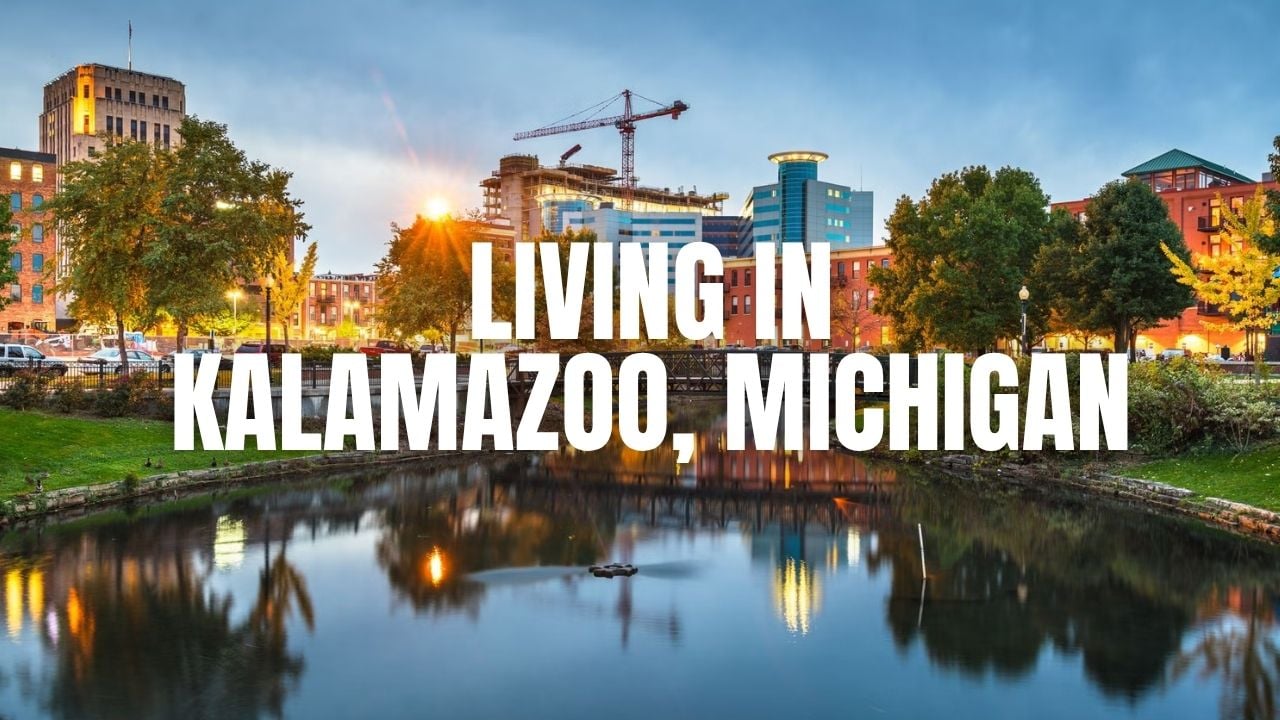
Thinking About Kalamazoo, Michigan? A practical guide
Thinking about moving to Kalamazoo, Michigan? This…
Galesburg, Michigan Living Guide: The Ultimate living guide
Galesburg, Michigan is a small Kalamazoo County…
Vandalia, Michigan: Best Neighborhood Pockets + Pros/Cons for …
Vandalia, Michigan is an incorporated village of…