
Introduction
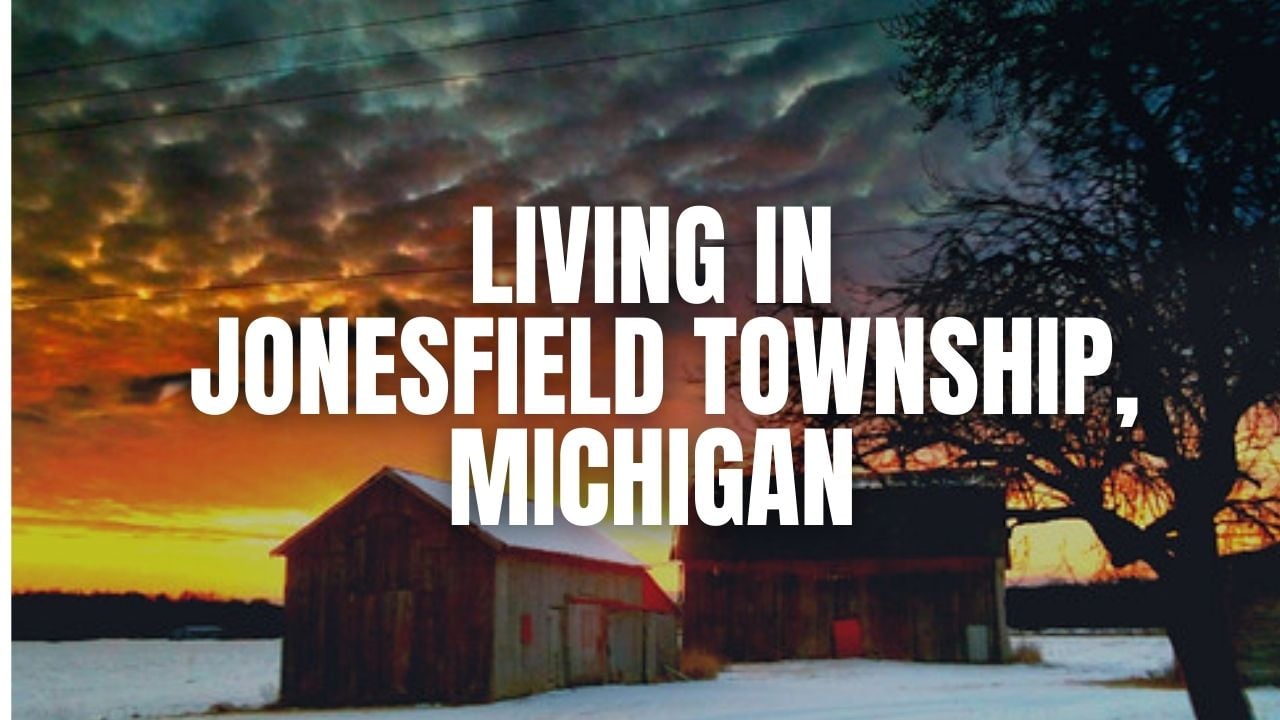
If your idea of Michigan living includes open land, quiet surroundings, and fewer neighbors in your immediate line of sight, Jonesfield Township may be worth considering.
Located in Lapeer County, Jonesfield Township is a rural community known for agricultural land, residential properties with larger lot sizes, and access to nearby small cities like Imlay City and Lapeer. People often look here when they want space and privacy while still staying within reach of highways and regional job centers.
This guide walks through what living in Jonesfield Township, Michigan is really like—from housing and cost of living to property taxes, schools, and lifestyle—so you can make an informed decision.
Cost of Living in Jonesfield Township, Michigan
Cost of living in Jonesfield Township is generally influenced by housing and transportation patterns common in rural communities.
According to U.S. Census Bureau housing data, rural townships tend to feature detached homes on larger parcels, which can vary widely in price depending on acreage and home size.
BestPlaces.net reports that Lapeer County overall has a cost of living below the national average, particularly in housing costs.
Transportation expenses may be higher due to reliance on personal vehicles. The Bureau of Labor Statistics notes that transportation is one of the largest household expenses in areas without public transit.
Utility costs generally align with Michigan averages, depending on property size and energy usage.
Real Estate & Housing Overview
Real estate in Jonesfield Township primarily consists of single-family homes, agricultural properties, and rural residential parcels.
According to the U.S. Census Bureau:
Most housing units are detached single-family homes
Homes are often located on larger lots or acreage
Housing construction spans several decades, including mid-century and newer builds
Common property types include:
Ranch-style homes
Farmhouses and agricultural properties
Custom-built homes on acreage
Newer homes built on rural parcels
New construction does occur but typically on individual lots rather than large subdivisions. MLS listings often show lower housing inventory compared to suburban markets, which is typical for rural areas.
This housing pattern supports lower-density development and larger property spacing.



Is Marion Township (Saginaw County), Michigan a Good …
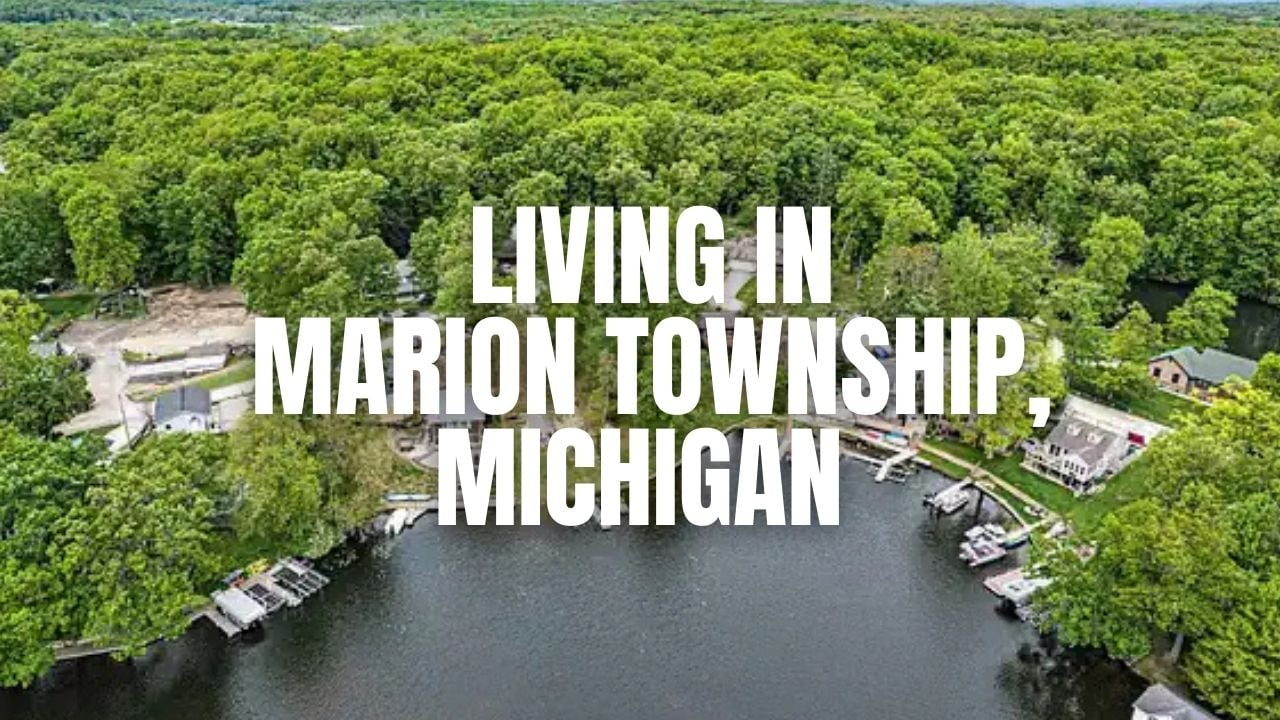
Marion Township, Michigan offers a rural setting…
Moving to Lakefield Township (Saginaw County), Michigan? What …
Lakefield Township, Michigan in Lapeer County offers…
Living in Kochville Township, Michigan: Pros, Cons, Cost …
Kochville Township, Michigan is located in Saginaw…