
introduction
Let's be real — when most people outside of Michigan hear the word "Kalamazoo," they either laugh, assume it's fictional, or start humming that old song. But if you've been doing your homework on places to live in Michigan, you've probably noticed that Kalamazoo keeps showing up on lists you actually care about: most affordable cities, best places to live, most arts-vibrant communities. There's a reason for that.
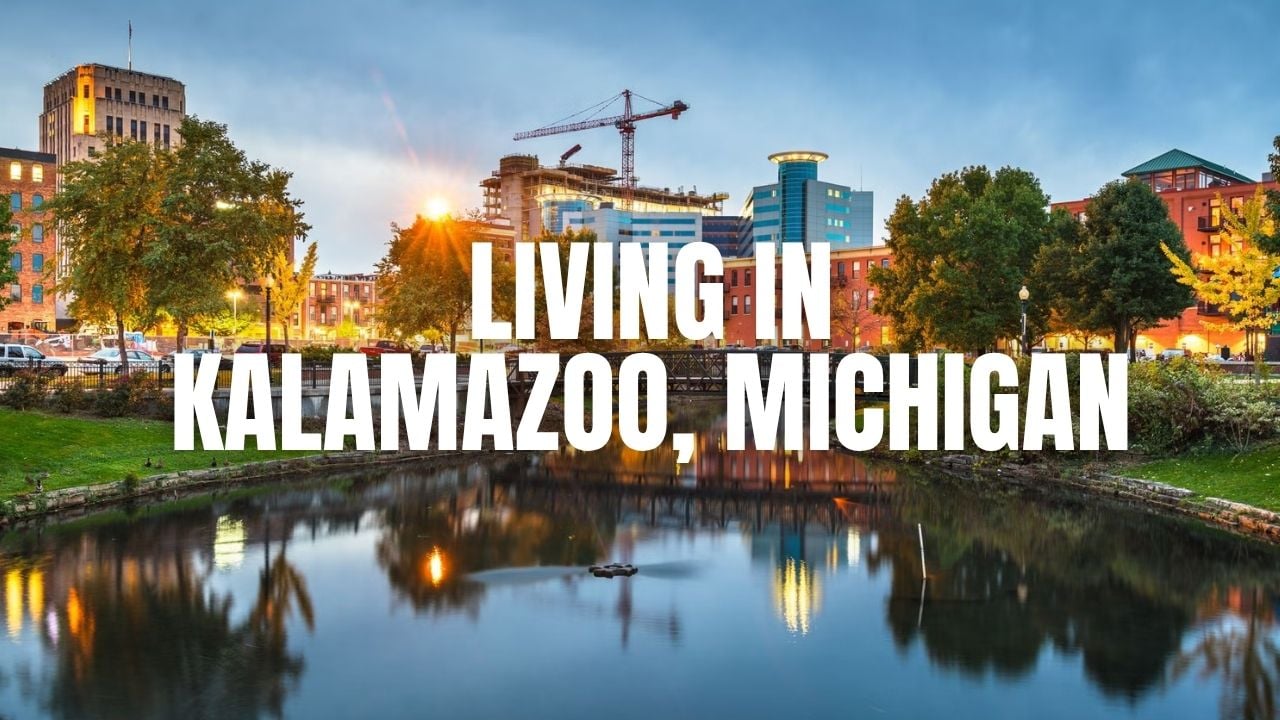
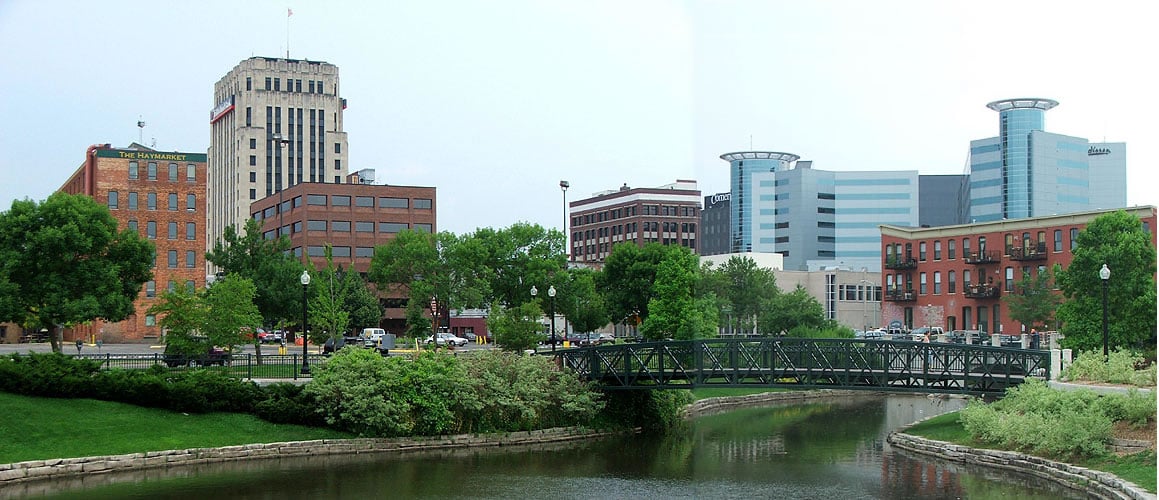
Kalamazoo is the county seat of Kalamazoo County, located in the southwestern part of Michigan's Lower Peninsula. It's a midsized city with a genuine urban energy, a deep history in brewing and industry, two respected universities, and a trail system that would make most cities twice its size jealous. And with a cost of living that consistently ranks well below the national average, it's the kind of place that rewards a closer look.
This guide is designed for anyone researching a move to Kalamazoo, Michigan — whether you're relocating from out of state, moving within Michigan, or just trying to figure out whether the housing market makes sense for your budget.
Cost of Living in Kalamazoo, Michigan
One of the most frequently cited reasons people look into living in Kalamazoo, Michigan is the cost of living. According to BestPlaces.net, Kalamazoo receives a Cost of Living score of 87.7, meaning total living costs — including housing, food, childcare, transportation, and healthcare — are approximately 12.3% lower than the U.S. average. For context, Michigan as a whole scores 91.5, meaning Kalamazoo is actually more affordable than the average Michigan community as well.
According to data from Redfin, the overall cost of living in Kalamazoo is roughly 15% lower than the national average, with housing being the most significant driver. PayScale's cost of living data for Kalamazoo shows that housing expenses run approximately 37% below the national average, utilities are about 3% lower, and healthcare is approximately 13% below the national average. Groceries and transportation also trend slightly lower than the U.S. norm.
For those moving from higher-cost metros — whether that's Chicago, Detroit's inner suburbs, or somewhere out of state — Kalamazoo can represent meaningful financial breathing room. Your dollar simply goes further here, which is part of why MakeMyMove recognized Kalamazoo as one of the 12 most affordable places to live in the U.S. in 2025.
Real Estate & Housing Overview in Kalamazoo, Michigan
Housing Market Overview in Kalamazoo
The housing market in Kalamazoo, Michigan has characteristics that make it an interesting environment for both buyers and those evaluating long-term ownership. According to Redfin, the market is described as "somewhat competitive," with homes generally selling in the range of three to four weeks on average. Inventory can vary seasonally, with spring and early summer typically seeing more listings and faster movement than the fall and winter months.
Per Zillow, the average home value in Kalamazoo has risen approximately 3.9% over the past year, reflecting continued demand relative to available supply. The market tends to have pockets of higher competition in lower and mid-range price points, where demand typically outpaces available inventory. That said, buyers willing to look beyond peak season or be patient with their search can often find more negotiating room than the headline data suggests.
Types of Homes in Kalamazoo
Homes in Kalamazoo, MI reflect the character of a city with both historic roots and ongoing development. The city's older neighborhoods — particularly around the Stuart Neighborhood and other central areas near the universities — feature classic Craftsman bungalows, Dutch Colonials, and early 20th-century two-story homes with mature lot character. These properties often come with generous lot sizes relative to their price points.
Further out from the city core and into the broader Kalamazoo County area, you'll find ranch-style homes from the mid-century era, colonial-style single-family homes, newer construction subdivisions, condominiums, and townhomes. Portage, which borders Kalamazoo to the south, is particularly well-known for newer developments and more suburban-style housing stock. Waterfront properties exist throughout the county given its 83 lakes with public access.
Price Range & Affordability
Homes in Kalamazoo, Michigan generally fall into a below-national-average price range that many buyers from larger metro areas find refreshingly accessible. According to Zillow, the average home value in Kalamazoo is approximately $223,841, while Redfin reports a median sale price in the range of $177,000 to $235,000 depending on the timeframe and data set used. Redfin notes that Kalamazoo's median sale price is roughly 60% lower than the national average.
Entry-level properties — smaller homes, older stock, or homes in need of updating — can often be found well below $150,000 within city limits. Updated, move-in-ready homes in desirable neighborhoods tend to occupy the $200,000–$300,000 range. Larger, newer construction or homes in higher-demand suburban areas like Portage may command values above $300,000. For current listings and up-to-date pricing, reviewing active inventory on Realtor.com, Redfin, Zillow, or Trulia will give you the most current picture.
Market Segments & Buyer Activity
The Kalamazoo housing market sees demand across a range of price segments. Entry-level housing demand remains relatively strong, particularly in the sub-$200,000 range, where competition among buyers can be meaningful. Move-up housing demand — properties in the $250,000–$400,000 range — is also active, particularly in Portage and the more suburban areas of the county.
New construction interest exists but is somewhat limited within city limits due to the established nature of most neighborhoods; development activity tends to push into surrounding townships. Smaller condominiums and low-maintenance housing options are available throughout the area, providing alternatives for those not looking for single-family maintenance responsibilities. According to Redfin data, a meaningful percentage of homes in the area sell within 30 days, particularly in the more competitive price bands.
New Construction & Development Trends
The city of Kalamazoo itself is largely built out, with redevelopment and infill projects being more common than greenfield construction within city limits. New subdivision development tends to occur in the surrounding townships — particularly Texas Township, Comstock Township, and parts of Portage — where land availability supports new-build activity.
Downtown Kalamazoo has seen ongoing investment in mixed-use development, including residential above retail, which has added some new housing units to the urban core. For buyers specifically seeking new construction, focusing the search on the broader Kalamazoo County area rather than city limits will open up more options.
What It's Like to Own a Home in Kalamazoo
Owning a home in Kalamazoo, Michigan comes with the standard responsibilities of Midwest homeownership — including weather-related upkeep (roof, gutters, windows, and heating systems matter here given the winters), lawn and property maintenance, and for some neighborhoods, coordination with neighborhood associations.
Lot sizes vary meaningfully depending on location — older city neighborhoods often have modest lots with mature tree cover, while suburban township areas typically offer larger lot sizes. HOA presence is more common in newer developments and condo communities than in the city's established single-family neighborhoods. Overall, the ownership experience in Kalamazoo is characteristic of a midsized Midwest city: manageable costs, genuine community feel in most neighborhoods, and a housing stock that rewards buyers who do their due diligence on individual properties.
If you're considering a move to Kalamazoo and want to better understand how the housing market fits your budget and goals, reviewing current listings on Realtor.com, Redfin, Zillow, or Trulia — and running property-specific numbers — can help you make a more informed decision.

Check Out the EXCLUSIVE "Living In Michigan" Apparel HERE
Thinking About Kalamazoo, Michigan? A practical guide
Thinking about making a move to Kalamazoo,…
Thinking About Richland, Michigan? A practical guide
IntroductionThere's a certain type of Michigan town…
Top 10 Best Places to Live in Michigan …
Thinking about moving to Michigan? This breakdown…