
Thinking About Kalamazoo, Michigan? A practical guide

Introduction

Let's be honest — Kalamazoo is one of those city names that makes people smile before they even know anything about it. And once you start learning about it, that smile tends to stick around.

Kalamazoo is not a secret kept by insiders or a sleepy Midwestern town waiting to be discovered. It has consistently landed on national "best places to live" lists, attracted major employers, built one of the most innovative scholarship programs in the country, and developed a downtown that punches well above its weight. This is a city that works — and one that continues to get better.

That said, moving anywhere is a big decision, and "charming" doesn't pay the mortgage. This guide is built to give you the real, data-backed picture of what it's actually like to live in Kalamazoo, Michigan — covering housing costs, property taxes, schools, lifestyle, pros and cons, and the frequently asked questions that most people are quietly Googling at 11 p.m. before a big move.
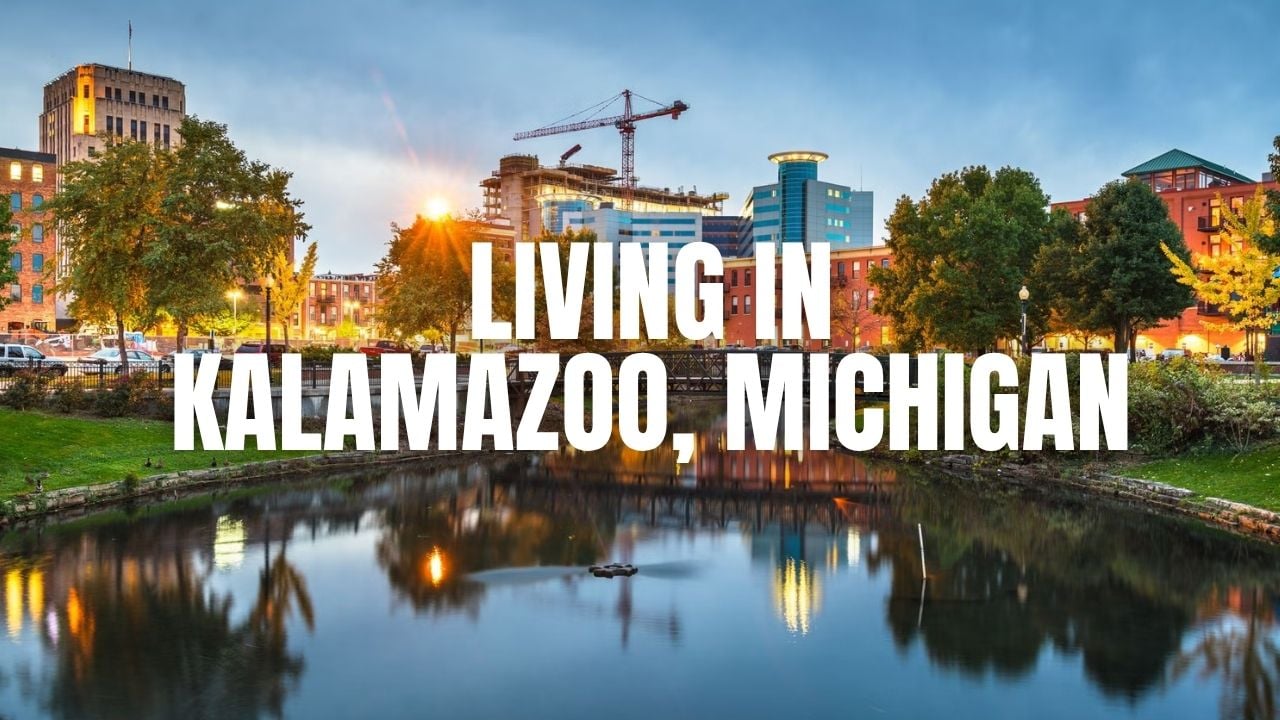
Search For All Homes For Sale
See My Home's Current Value

Where Is Kalamazoo, Michigan Located?

Kalamazoo sits in the southwestern corner of Michigan's Lower Peninsula, in Kalamazoo County. It is positioned almost exactly midway between Chicago and Detroit along Interstate 94 — roughly 140 miles from each. According to the city's own geographic data, it lies approximately 50 miles south of Grand Rapids and about 75 miles southwest of Lansing, the state capital.

That location is not an accident of history — it's a genuine strategic advantage. For anyone who commutes, travels for work, or simply wants easy access to two major metropolitan areas, Kalamazoo delivers that without the cost of actually living in either one.

The city itself covers approximately 25 square miles and sits along the Kalamazoo River, which winds through the community and defines much of its recreational character. The broader Kalamazoo-Portage metropolitan area encompasses the surrounding communities of Portage, Oshtemo Township, Texas Township, and Kalamazoo Charter Township, giving residents a range of housing environments from urban neighborhoods to quieter suburban settings.

For commuters, I-94, US-131, and M-43 provide primary highway access connecting Kalamazoo to the broader region. The Kalamazoo/Battle Creek International Airport (AZO) provides commercial air service. Amtrak's Wolverine line also stops in Kalamazoo, providing passenger rail service to Chicago and Detroit — which, for a city this size, is a genuinely underrated amenity.

Cost of Living in Kalamazoo, Michigan

One of Kalamazoo's most compelling characteristics is its affordability — particularly relative to its quality of life. According to BestPlaces.net, Kalamazoo has a cost of living score of 87.7, meaning the total cost of housing, food, childcare, transportation, healthcare, and other necessities runs approximately 12.3% below the U.S. average. Compared to the Michigan state average, Kalamazoo comes in slightly higher but still within a reasonable range.

Based on data from the U.S. Census Bureau's 2019–2023 American Community Survey, the median household income in Kalamazoo is approximately $48,965. The city's overall population is approximately 73,132 residents, making it the principal city of a metro area of over 260,000 people, according to U.S. Census Bureau estimates.

Housing is where the affordability story really hits home. According to Zillow, the average home value in Kalamazoo is approximately $223,841, up roughly 3.9% year-over-year. According to Redfin, the median sale price sits around $177,000, reflecting a somewhat different view of the market's lower range. By comparison, Redfin notes that Kalamazoo's median sale price is approximately 60% below the national average — a notable gap that explains why so many buyers from Chicago, Detroit, and other higher-cost markets are showing up in Kalamazoo search data.

General utility costs, transportation, and day-to-day expenses track below national averages in most categories, consistent with Kalamazoo's broader cost-of-living positioning. MakeMyMove recognized Kalamazoo as one of the 12 most affordable places to live in the U.S. in 2025, based on average home prices, rental rates, and local testimony.

Real Estate & Housing Overview in Kalamazoo, Michigan

Housing Market Overview in Kalamazoo

The Kalamazoo housing market reflects many of the same patterns seen across mid-sized Midwestern cities — a tight inventory environment with competitive activity in certain price ranges, seasonal variation in available listings, and sustained buyer interest driven by the city's affordability relative to larger metros. According to Rocket Homes data, Kalamazoo has remained a seller's market in recent periods, with homes at popular price points tending to move relatively quickly. That said, market conditions can shift by neighborhood and price tier, so buyers researching homes in Kalamazoo, MI should check current listing data on Realtor.com, Redfin, Zillow, or Trulia for the most up-to-date picture.

Types of Homes in Kalamazoo

Kalamazoo offers a genuinely diverse housing stock that reflects its layered history. Older, established neighborhoods near downtown and Western Michigan University feature a mix of early-to-mid-20th-century craftsman bungalows, colonial-style homes, and Victorian-era properties — many with mature trees, established lots, and architectural character you simply don't find in newer construction. Moving outward toward the city's edges and into adjacent townships, the housing landscape transitions to postwar ranches, split-levels, and newer subdivisions from the 1980s through present day. Condominiums and townhomes are increasingly available, particularly in more urban-adjacent areas. New construction is present in certain pockets, particularly in communities bordering Kalamazoo like Portage and Oshtemo Township.

Price Range & Affordability (Evergreen Style)

Homes in Kalamazoo, Michigan span a wide range of price points, making it one of the more accessible markets in Southwest Michigan. Entry-level and mid-range homes are well-represented, with properties at the lower end of the market offering genuine value for buyers who are comfortable with some updating or maintenance. More turnkey, renovated, or larger properties tend to command higher price tiers but still generally fall below comparable properties in markets like Grand Rapids or Ann Arbor.

According to Zillow, the average home value in Kalamazoo is approximately $223,841. Redfin reports median sale prices in the lower-to-mid range of that spectrum depending on the time frame and property type. According to Rocket Homes, the median home sold price in Kalamazoo reached approximately $234,765 in a recent reporting period — reflecting some price appreciation over prior years. For buyers moving to Kalamazoo Michigan from higher-cost markets, the affordability gap is often striking. Reviewing current listings on Realtor.com, Redfin, Zillow, or Trulia will give you the clearest real-time sense of what your budget will reach.

Property Taxes & Ownership Costs

Michigan's property tax system operates on a millage basis, and Kalamazoo County has a range of millage rates depending on the city, township, and school district in which a property sits. According to the Kalamazoo County Equalization Department's 2024 millage rate schedule, homestead (owner-occupied) millage rates within the City of Kalamazoo — paired with the Kalamazoo Public Schools district — sit at approximately 68.5 mills. Rates in other areas of the county, such as the City of Portage paired with Portage Public Schools, run closer to 62.5 mills.

Understanding Michigan's Proposal A uncapping rule is critical for any buyer. When you purchase a home, the taxable value resets closer to market value — potentially raising your annual tax bill significantly above what the current owner pays. Always estimate your taxes using the State of Michigan's free property tax estimator at michigan.gov/taxes before making a purchase decision.

Market Segments & Buyer Activity (Neutral Language)

The Kalamazoo housing market shows demand across multiple segments. Entry-level housing activity has historically been strong in Kalamazoo given the city's affordability positioning. Move-up demand — buyers seeking larger, updated, or better-located homes — is also active, particularly as the broader metro continues to attract residents from higher-cost markets. Interest in low-maintenance options such as condominiums and townhomes reflects national trends toward flexible ownership. New construction interest is active in certain corridors of the broader county, particularly in growing communities adjacent to the city.

New Construction & Development Trends

Within the city of Kalamazoo proper, land availability for large-scale new residential development is more limited than in surrounding townships, given that much of the city's footprint is already established. Infill development, renovation, and adaptive reuse of existing properties are more common patterns in the city core. The broader Kalamazoo metro area, including Portage and outlying townships, has seen more active new construction activity, including subdivisions and mixed-use developments. Downtown Kalamazoo has also been the subject of ongoing commercial and residential investment, reflecting broader urban revitalization trends.

What It's Like to Own a Home Here

Owning a home in Kalamazoo, Michigan comes with the realities common to most Midwestern markets: four distinct seasons mean that maintenance is a genuine consideration, particularly for older homes. Many properties in established neighborhoods feature large mature lots, which can be a significant draw for buyers who value outdoor space and privacy. HOA situations vary — some newer developments and condominium communities include associations with fees and rules, while the majority of the city's single-family neighborhoods are HOA-free. Buyers moving to Kalamazoo, MI should factor in the age of the housing stock they're considering, as older homes may require more proactive attention to roofs, HVAC systems, and infrastructure.
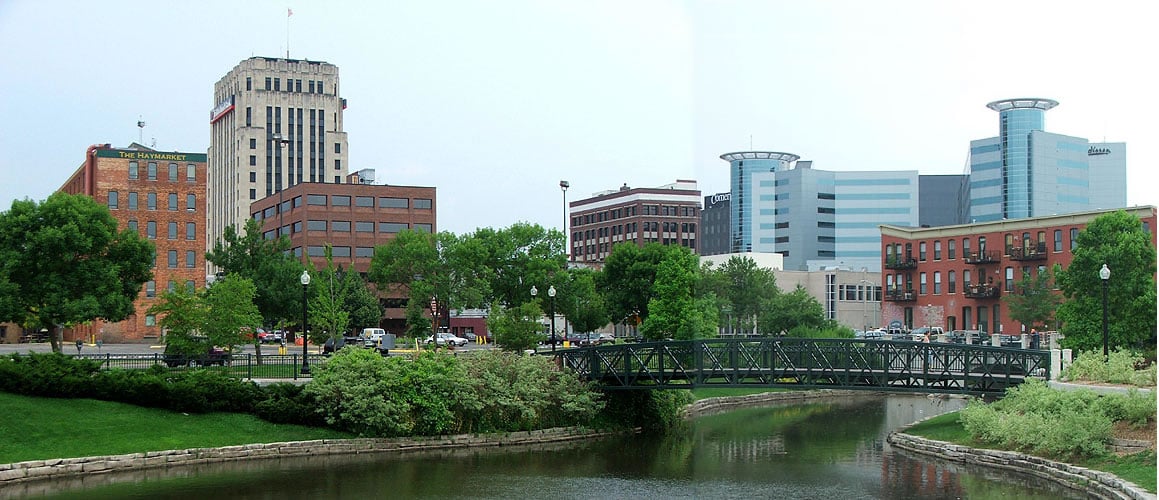
Kalamazoo

Pros & Cons of the Housing Market in Kalamazoo

Pros:

  • Broad range of home styles and architectural character across different price points
  • Median home values significantly below national average, per Redfin and Zillow data
  • Access to a vibrant downtown and established neighborhood infrastructure
  • Strong location advantages for buyers who value proximity to both Chicago and Detroit
  • Seller's market conditions can favor those already holding property in the area

Cons:

  • Millage rates in the City of Kalamazoo with KPS district are among the higher rates in the county, per the Kalamazoo County Equalization Department's 2024 data
  • Older housing stock in established neighborhoods may require capital investment in updates
  • Inventory can be limited at competitive price points, requiring buyers to act decisively
  • Taxable value uncapping after purchase can materially increase property tax burden relative to what the previous owner paid

If you're considering a move to Kalamazoo and want to better understand how the housing market fits your budget and goals, reviewing current listings on Realtor.com, Redfin, Zillow, or Trulia — and running property-specific numbers — can help you make a more informed decision.


Property Taxes in Kalamazoo, Michigan

Property taxes in Kalamazoo — and throughout Michigan — are based on a millage system. One mill equals $1 for every $1,000 of taxable value.

Michigan operates under Proposal A (passed in 1994), which is one of the most important things to understand if you're buying a home here. This law caps how much your taxable value can increase each year, typically at the rate of inflation. In simple terms, this protects long-term homeowners from dramatic spikes in property taxes — even if home values rise significantly.

However, there's one key moment where this changes.

What Happens When You Buy a Home?
When a property transfers ownership, the taxable value typically "uncaps" the following year and resets closer to the home's current market value. This means your property taxes may be significantly higher than what the current owner is paying. That's why it's critical to estimate your taxes before you buy.

According to the Kalamazoo County Equalization Department's published 2024 millage rate data, homestead millage rates within the City of Kalamazoo vary by school district. As an example, the City of Kalamazoo paired with Kalamazoo Public Schools carries a homestead rate of approximately 68.5 mills — one of the higher rates in the county. Cities like Portage, paired with Portage Public Schools, run closer to 62.5 mills. Rates across the county's 16 townships vary further. Always verify the specific rate for any property you're considering, as rates can differ by township, city, and school district combination.

How to Estimate Property Taxes in Kalamazoo
The State of Michigan provides a free estimator here:
https://www.michigan.gov/taxes/property/estimator

To get a realistic high-end estimate, follow this method:

  • Select: County / City/Township/Village / School District
  • For State Equalized Value (SEV): Use approximately 50% of the home's list price
    (This simulates the post-sale taxable value after uncapping)
    This will give you a strong estimate of your future property taxes.

Pro Tip:

  • Look at a current listing's SEV for a lower estimate
  • Use the 50% rule for a higher estimate
  • Plan for the worst, hope for the best

Want to Calculate It Manually?
You can estimate property taxes using this formula:
(Taxable Value × Millage Rate) ÷ 1,000 = Annual Property Taxes

Example:
$200,000 taxable value / 68 mills (City of Kalamazoo / KPS district)
→ ($200,000 × 68) ÷ 1,000 = $13,600/year

Important Disclaimers About the Estimator
The Michigan property tax estimator is extremely helpful, but there are a few important notes:

  • Millage rates are based on those levied and billed in the prior year
  • Rates include the 1% property tax administration fee
  • Rates include special assessments levied on a millage basis and applied across entire townships, cities, or villages
  • Rates may also include certain police, fire, or emergency service millages applied broadly across a township (excluding villages in some cases)
  • Rates do not include all special assessments, which may vary by property
  • In some areas, community college millages vary depending on exact property location, and the database may only reflect one rate
  • Some properties transferred between school districts may have split millages not fully represented

You can view updated millage rates here:
https://www.michigan.gov/taxes/property/estimator/related/millage-rates

Bottom Line
Property taxes in Kalamazoo can vary significantly depending on the exact location, school district, and timing of ownership transfer. Understanding Michigan's uncapping rule is one of the most important steps in accurately budgeting for a home here. If you're unsure how this applies to a specific property, it's always worth running the numbers ahead of time — or reaching out for guidance.

Things to Do & Lifestyle in Kalamazoo, Michigan

Kalamazoo has a lifestyle that consistently surprises people who expect a quiet Midwestern town and instead find a genuinely energetic city with a lot going on.

Downtown Kalamazoo anchors much of the city's activity. The Burdick Street pedestrian mall — which, when it opened in 1959, was the first outdoor pedestrian mall in the United States — gives the downtown a walkable, distinct character. Today the area is lined with locally owned restaurants, shops, galleries, and breweries that reflect the city's longstanding identity as a craft beverage hub.

The Kalamazoo Nature Center, located at 7000 N. Westnedge, offers over 14 miles of hiking trails through woods, wetlands, and prairies, according to the center's own trail documentation. It is one of the largest urban nature centers in the United States and functions as a genuine outdoor destination year-round. The Kalamazoo River Valley Trail (KRVT), managed by Kalamazoo County Parks, is a paved, 10-foot-wide multi-use trail currently spanning 24 completed miles, with a planned total of 35 miles connecting communities across the county. When complete, it will form part of a 140-mile regional trail network linking to the Kal-Haven Trail and the Battle Creek Linear Park.

Outdoor enthusiasts have deep options. According to Discover Kalamazoo, Kalamazoo County has 83 lakes with public access, providing opportunities for fishing, boating, swimming, and water sports. Lake Michigan's beaches are approximately 45 minutes west, making towns like South Haven and Saugatuck easily accessible for day trips. Fort Custer Recreation Area provides mountain biking, hiking, fishing, and camping within a short drive from the city. The Kal-Haven Trail, a converted rail trail, connects Kalamazoo to South Haven along 33+ miles of crushed limestone path.

On the cultural side, the Kalamazoo Institute of Arts, the Kalamazoo Valley Museum, Miller Auditorium on the WMU campus, and the Air Zoo Aerospace & Science Center round out a cultural landscape that rivals much larger cities. The monthly Art Hop — held on the first Friday of each month throughout the year — draws visitors through downtown galleries, studios, and venues.

Bronson Park, in the heart of downtown, serves as a civic gathering place throughout the year, hosting live events, concerts, and seasonal programming. The Kalamazoo Growlers, a Northwoods League collegiate baseball team, play their home games at Homer Stryker Field along the Kalamazoo River — a fan-friendly venue that draws strong community attendance.

Schools & Education in Kalamazoo, Michigan

Kalamazoo's educational landscape is one of its most discussed — and genuinely interesting — characteristics. The primary public school district serving the city is Kalamazoo Public Schools (KPS), which serves approximately 12,298 students across 28 schools, according to GreatSchools.org. Small sections of the city are also served by Parchment School District, Comstock Public Schools, and Portage Public Schools.

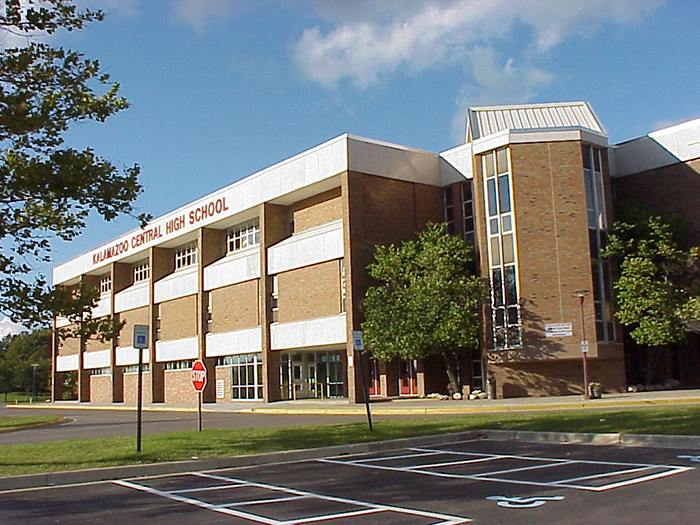
According to Niche.com, state test proficiency scores within KPS are mixed — approximately 24% of students tested at or above proficiency in math and 37% in reading, which reflects the challenges facing many urban districts in Michigan. Loy Norrix High School and Kalamazoo Central High School are the district's two primary comprehensive high schools; both have been ranked among Michigan's top 200 high schools by U.S. News & World Report, with Loy Norrix ranking 119th and Kalamazoo Central ranking 156th in the state.

The district also includes standout individual schools. According to SchoolDigger, Winchell Elementary and Northglade Montessori School are among the top-performing elementary schools in Michigan. The district offers a range of programs including gifted and advanced options, career and technical education (CTE), early middle college, and the Kalamazoo Area Mathematics and Science Center (KAMSC) — a competitive magnet program for high-achieving students in STEM disciplines.

One of the most distinctive features of Kalamazoo's education system is the Kalamazoo Promise — a scholarship program first announced in November 2005 that provides up to 100% of tuition and mandatory fees at any Michigan public college or university for graduates of Kalamazoo Public Schools, according to Western Michigan University. To qualify for the full scholarship, students must have attended KPS since kindergarten. The program is funded by a group of anonymous private donors and has awarded more than $180 million in scholarships to over 7,000 KPS graduates since its inception. According to WMU, over 90% of KPS graduates now go on to higher education.

Higher education options within Kalamazoo include Western Michigan University (a major public research university), Kalamazoo College (a nationally recognized private liberal arts institution), and Kalamazoo Valley Community College (a two-year community college). This concentration of higher education institutions gives Kalamazoo a university-town energy that influences its housing market, employment base, arts scene, and general community character.

Families researching schools should review current ratings and boundary information at GreatSchools.org and Niche.com, and contact Kalamazoo Public Schools directly for the most current enrollment and program data.

Kalamazoo, michigan school

Pros & Cons of Living in Kalamazoo, Michigan

Pros:

  • Cost of living is approximately 12.3% below the U.S. average, per BestPlaces.net
  • Median home values significantly below the national average, per Redfin and Zillow data
  • Midpoint location between Chicago and Detroit on I-94 — genuine access to two major metros
  • Robust outdoor recreation — 83 county lakes with public access, 24+ miles of paved trail, Lake Michigan 45 minutes west, per Discover Kalamazoo
  • The Kalamazoo Promise provides up to 100% college tuition for KPS graduates — a rare and significant community benefit, per Western Michigan University
  • Three institutions of higher education within the city contribute to arts, culture, and employment
  • Vibrant and walkable downtown with nationally recognized craft brewery and food scene
  • Named one of 50 Best Places to Live in the U.S. by Money magazine (2024 list) and recognized by MakeMyMove as one of the 12 most affordable places in the country (2025)
  • Kalamazoo/Battle Creek International Airport and Amtrak rail service provide transportation options uncommon for a city this size

Cons:

  • Homestead millage rates within the City of Kalamazoo and KPS district are among the higher rates in the county, per the Kalamazoo County Equalization Department's 2024 data
  • State test score proficiency within KPS is below state averages in math and reading, per Niche.com — performance varies significantly by individual school
  • Like many mid-sized Midwestern cities, Kalamazoo has areas with higher crime rates concentrated in specific neighborhoods — local crime data should be reviewed by prospective residents
  • Michigan winters are real — Kalamazoo's lake-effect proximity means meaningful snowfall and cold temperatures for a significant portion of the year
  • Older housing stock in established neighborhoods can require meaningful capital investment
  • Inventory at entry-level price points can be competitive and move quickly, per Rocket Homes data

Frequently Asked Questions About Living in Kalamazoo, Michigan

Is Kalamazoo, Michigan a good place to live?
Kalamazoo consistently ranks among Michigan's better mid-sized cities for livability. It has landed on Money magazine's 50 Best Places to Live list (2024), was recognized by U.S. News & World Report among its 150 Best Places to Live (2024-25), and has been highlighted by MakeMyMove as one of the 12 most affordable places to live in the U.S. as of 2025. Its combination of affordability, employment diversity, cultural amenities, and outdoor access makes it a strong option for a wide range of lifestyles.

What is the population of Kalamazoo, Michigan?
According to U.S. Census Bureau American Community Survey 2019–2023 estimates, the City of Kalamazoo has a population of approximately 73,132 residents. Kalamazoo County has a population of approximately 264,780, making it the 9th most populated county in Michigan, per current U.S. Census data.

What is the cost of living in Kalamazoo compared to the Michigan average?
According to BestPlaces.net, Kalamazoo's overall cost of living is approximately 12.3% below the U.S. national average. It runs slightly above the Michigan state average overall, though housing costs remain notably affordable in national context.

What is the average home price in Kalamazoo, Michigan?
According to Zillow, the average home value in Kalamazoo is approximately $223,841. Redfin reports median sale prices in a somewhat lower range depending on time frame and property type. Rocket Homes data showed a median sold price of approximately $234,765 in a recent reporting period. Prices vary significantly by neighborhood and property condition — current listings on Realtor.com, Redfin, Zillow, or Trulia will reflect the most accurate current market.

How are property taxes in Kalamazoo, Michigan?
Property taxes in Michigan are millage-based and vary by location and school district. According to the Kalamazoo County Equalization Department's 2024 millage rate data, homestead rates in the City of Kalamazoo with the KPS school district run approximately 68.5 mills — among the higher rates in the county. Michigan's Proposal A caps annual increases for existing owners, but taxable value uncaps at sale, which can significantly raise taxes for new buyers. Use the Michigan property tax estimator at michigan.gov/taxes/property/estimator to run your specific numbers before purchasing.

What school district serves Kalamazoo, Michigan?
The primary district is Kalamazoo Public Schools (KPS), which serves approximately 12,298 students across 28 schools, per GreatSchools.org. Small portions of the city fall within Parchment, Comstock, and Portage school districts. KPS is home to the Kalamazoo Promise, a scholarship program that provides up to 100% of college tuition to qualifying graduates, per Western Michigan University.

What is the Kalamazoo Promise?
The Kalamazoo Promise, first announced in 2005, is an anonymously funded scholarship program that provides KPS graduates with up to 100% of tuition and mandatory fees at any Michigan public college or university. To qualify for the maximum benefit, students must have attended KPS since kindergarten. According to WMU, the program has awarded over $180 million to more than 7,000 graduates since its launch and is considered a national model for place-based scholarship programs.

What highways run through or near Kalamazoo, Michigan?
Interstate 94 (connecting Chicago and Detroit) runs through Kalamazoo, US-131 runs north-south through the city, and M-43 provides east-west access to surrounding communities. The Kalamazoo/Battle Creek International Airport (AZO) provides commercial air service, and Amtrak's Wolverine line stops in Kalamazoo, connecting to Chicago and Detroit.

How far is Kalamazoo from Lake Michigan?
According to commonly available geographic data, Lake Michigan's nearest public beaches — including those at South Haven and Saugatuck — are approximately 40–45 miles west of Kalamazoo, roughly a 45-minute drive. This proximity is a frequently cited quality-of-life benefit for Kalamazoo residents.

What outdoor recreation is available in Kalamazoo?
Kalamazoo County offers 83 lakes with public access for fishing, boating, and swimming, per Discover Kalamazoo. The Kalamazoo River Valley Trail spans 24 completed miles of paved multi-use trail, per Kalamazoo County Parks. The Kalamazoo Nature Center maintains over 14 miles of hiking trails. Fort Custer Recreation Area and the Kal-Haven Trail provide additional outdoor options. Lake Michigan's beaches are approximately 45 minutes away.

What universities are located in Kalamazoo, Michigan?
Kalamazoo is home to three institutions of higher education: Western Michigan University (WMU), a public research university; Kalamazoo College, a private liberal arts institution; and Kalamazoo Valley Community College, a two-year community college. WMU is the largest, with over 4,700 degrees awarded in 2023 alone, per DataUSA.

Is Kalamazoo considered affordable compared to other Michigan cities?
Yes. According to Redfin, Kalamazoo's median sale price is approximately 60% below the national average and the overall cost of living runs roughly 12.3% below the U.S. average, per BestPlaces.net. Within Michigan, markets like Ann Arbor, Grand Rapids, and Detroit metro communities often command notably higher prices. Kalamazoo is generally considered one of Michigan's more affordable urban centers with a strong amenity base.

What is the job market like in Kalamazoo, Michigan?
Kalamazoo's economy is anchored by healthcare, manufacturing, education, and life sciences. Major employers include Bronson Methodist Hospital, Ascension Borgess, Western Michigan University, Stryker Corporation, and Pfizer/Zoetis operations in the broader metro area. According to DataUSA, the largest employment sectors for Kalamazoo residents are Health Care & Social Assistance, Manufacturing, and Accommodation & Food Services. The city has a deep pharmaceutical and life sciences heritage, stemming from the original founding of the Upjohn Company in 1886.

What is Kalamazoo's downtown like?
Downtown Kalamazoo features the historic Burdick Street pedestrian mall — opened in 1959 as the first outdoor pedestrian mall in the United States — along with a dense concentration of locally owned restaurants, breweries, galleries, and shops. The monthly Art Hop (first Friday of each month) brings live music and gallery openings to the downtown district. Bronson Park serves as a central gathering space. The area has an active and growing reputation in the national craft beer community.

To Conclude:

If you're looking to move to, from, or within the state of Michigan in one day or a million, I help people do just that and I love it as a Michigan Realtor. Please reach out anytime for help — I'm happy to be your go-to resource.

Question for You!

Kalamazoo has this rare combination of affordability, Big Ten-adjacent university energy, craft beer culture, and quick access to Lake Michigan — which of those is the biggest draw for you personally? Drop a comment below — I'd love to know what's pulling you toward Kalamazoo!

Search For All Homes For Sale
See My Home's Current Value
living in michigan | andrew mcmanamon realtor

Andrew McManamon

Founder of Living In Michigan
Michigan Realtor®
[email protected]
Contact Us
www.LivinginMichigan.com

Check Out the EXCLUSIVE "Living In Michigan" Apparel HERELiving In Michigan apparel

Subscribe to the Living in Michigan Newsletter HEREliving in Michigan newsletter | michigan realtor |andrew mcmanamon realtor | living in michigan

Check out recent articles

Thinking About Kalamazoo, Michigan? A practical guide

Thinking About Kalamazoo, Michigan? A practical guide

Thinking about moving to Kalamazoo, Michigan? This…
Galesburg, Michigan Living Guide: The Ultimate living guide

Galesburg, Michigan Living Guide: The Ultimate living guide

Galesburg, Michigan is a small Kalamazoo County…
Vandalia, Michigan: Best Neighborhood Pockets + Pros/Cons for …

Vandalia, Michigan: Best Neighborhood Pockets + Pros/Cons for …

Vandalia, Michigan is an incorporated village of…