
Introduction
If you’re looking at Mid-Michigan communities that offer suburban comfort, convenient shopping, and access to rivers and highways, Tittabawassee Township, Michigan may be on your list.
Located near Midland and Saginaw, this township gives residents a quieter residential setting while keeping major retail, dining, and employment centers within easy reach. It’s not a big-city environment — and that’s often the appeal.
In this guide, we’ll break down what it’s actually like to live in Tittabawassee Township, including cost of living, housing trends, property taxes, schools, and lifestyle considerations — with a practical (and slightly funny) tone, because moving is serious… but it doesn’t have to feel overwhelming.
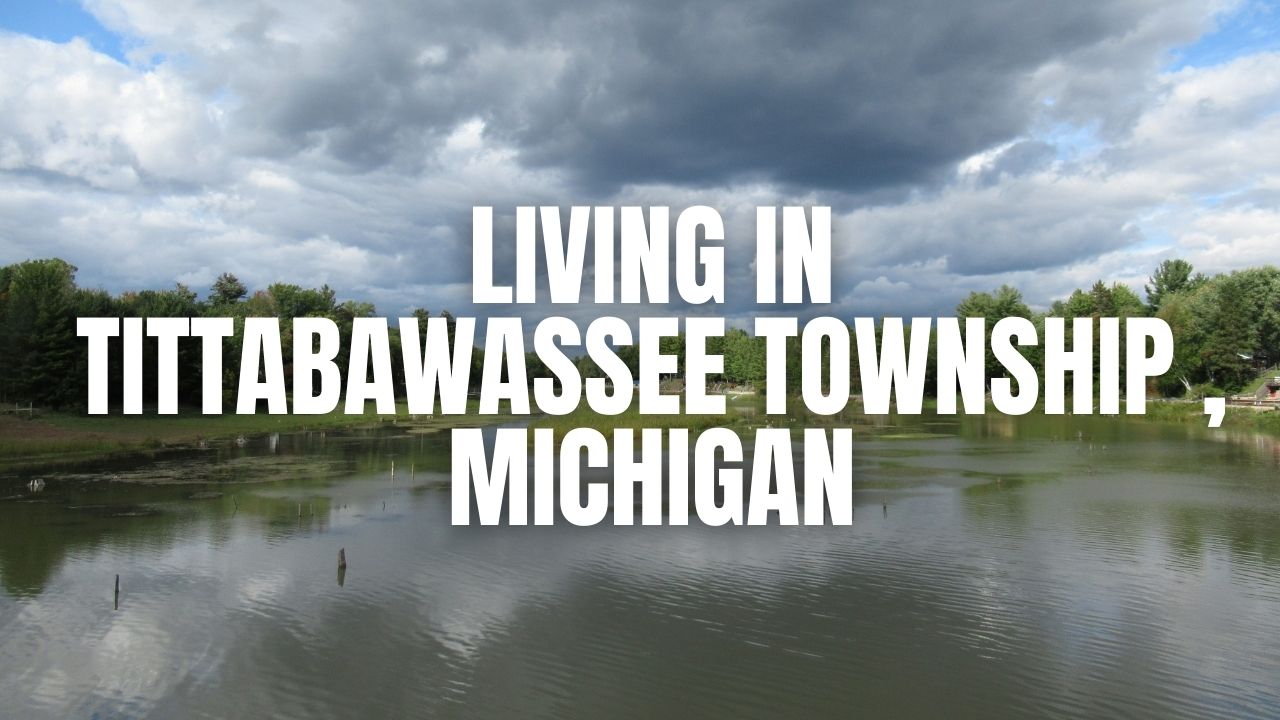
Cost of Living in Tittabawassee Township, Michigan
Cost of living in Tittabawassee Township is generally in line with Mid-Michigan averages.
According to U.S. Census Bureau data, housing costs in Saginaw County are typically below the national average. BestPlaces.net reports that overall cost of living indices in the Saginaw area are lower than the U.S. average.
Housing tends to be more affordable than larger Michigan metro areas such as Ann Arbor or Grand Rapids, based on comparisons available through Niche.com and regional market data.
Utilities and transportation costs align with Midwest averages, according to Bureau of Labor Statistics regional data.
As always, actual expenses depend on housing type, commute distance, and lifestyle choices.
Real Estate & Housing Overview
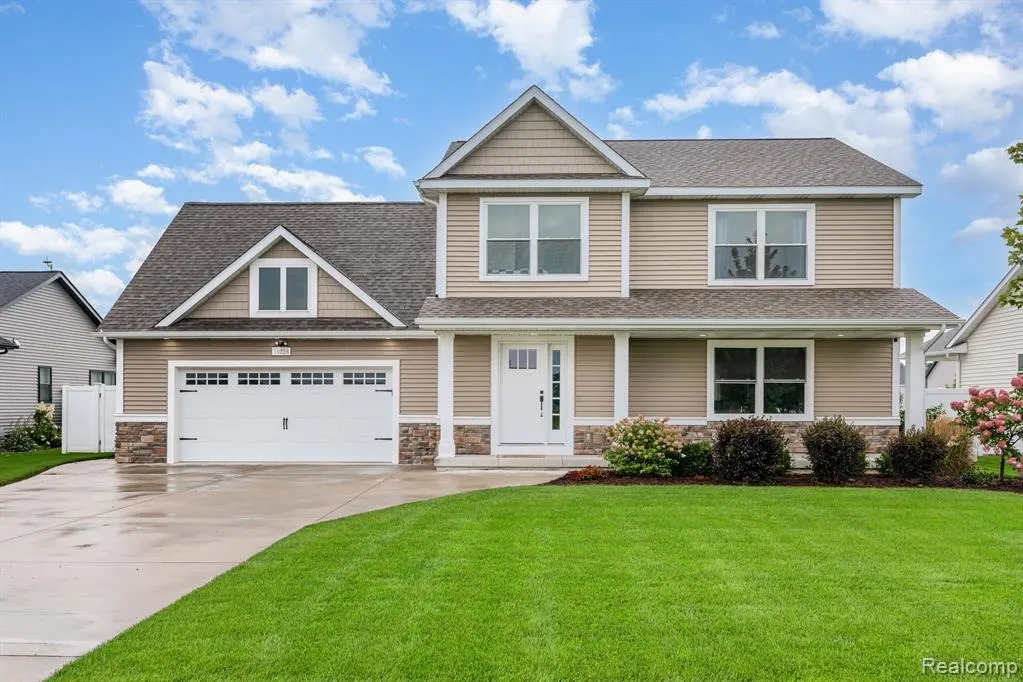
Housing in Tittabawassee Township primarily consists of single-family homes built from the 1960s through early 2000s.
Based on U.S. Census Bureau housing data for the township:
Owner-occupied housing represents the majority of residences
Many homes are ranch-style or traditional two-story designs
Lot sizes are typically suburban in scale, larger than dense urban neighborhoods
You’ll also find condominium developments and some newer builds in select areas.
Local MLS data shows steady real estate activity without the rapid price swings seen in some high-growth markets. Inventory levels fluctuate seasonally, as is typical in Michigan.
Overall, the housing stock leans established rather than brand-new, which often means mature landscaping and settled neighborhoods.




Moving to Portage, Michigan? What to Know About …
Thinking about moving to Portage, Michigan? This…
Living in Parchment, Michigan: Pros, Cons, Cost of …
Thinking about living in Parchment, Michigan? This…

Thinking About Kalamazoo, Michigan? A practical guide
Thinking about moving to Kalamazoo, Michigan? This…