
Introduction
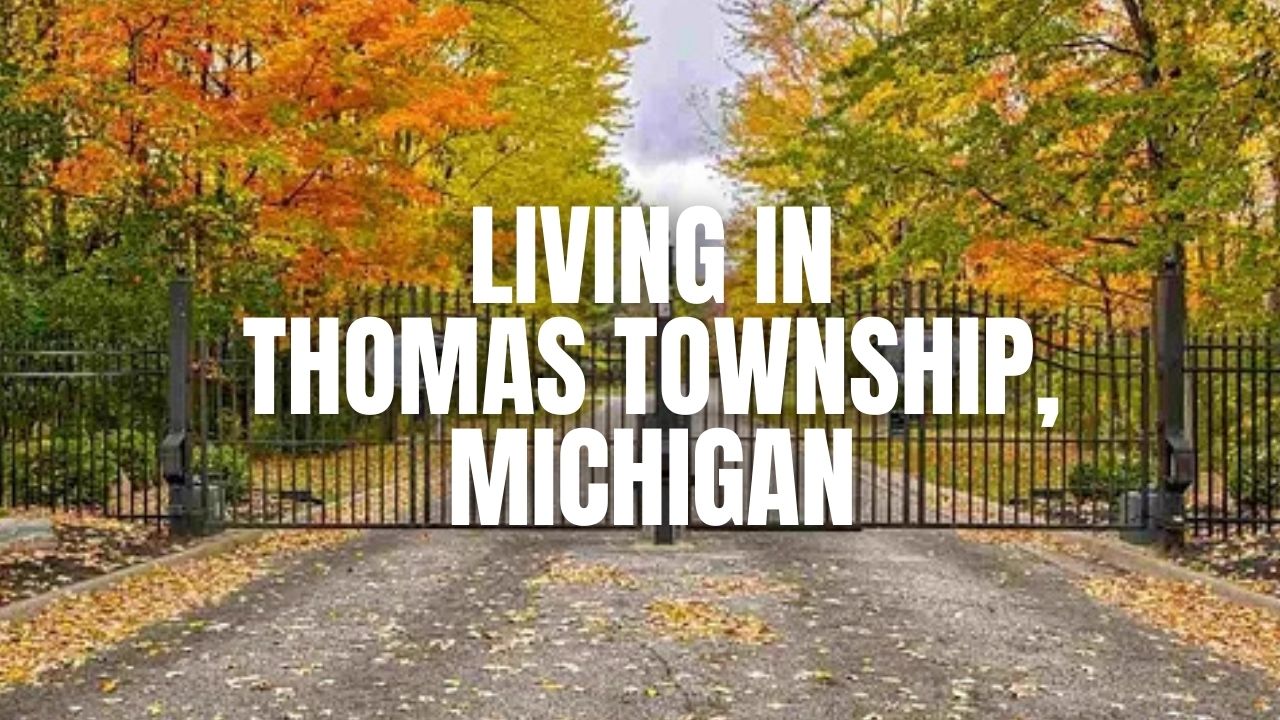
Thomas Township, Michigan offers a suburban-style setting with access to parks, schools, and the broader Saginaw region. For buyers looking for established neighborhoods without the density of a larger city, this township often becomes part of the conversation.
Located in Saginaw County, Thomas Township combines residential development with access to natural areas and regional amenities. It’s not a major metro center — and that’s part of its appeal.
If you’re considering relocating here, this guide breaks down the housing market, cost of living, schools, property taxes, and what daily life looks like in Thomas Township.
Cost of Living in Thomas Township, Michigan
Cost of living in Thomas Township aligns closely with regional averages.
According to the U.S. Census Bureau, median household income in the township is comparable to other suburban areas within Saginaw County. Niche.com reports that housing costs are generally below the national average.
BestPlaces.net indicates that Saginaw County’s overall cost of living index is below the U.S. average, particularly in housing.
Utilities and transportation costs are generally consistent with Midwest averages, based on Bureau of Labor Statistics regional data.
Overall, Thomas Township tends to offer housing affordability compared to larger Michigan metro areas, though exact home prices vary based on neighborhood and property size.
Real Estate & Housing Overview
Thomas Township primarily features single-family homes in established subdivisions.
Based on U.S. Census Bureau housing data:
The majority of homes were built between the 1960s and early 2000s
Owner-occupied housing makes up most residential properties
Lot sizes are typically suburban in scale, larger than urban city lots
Common home styles include:
Ranch-style homes
Two-story traditional homes
Split-level homes
New construction exists but is more limited compared to high-growth Southeast Michigan suburbs. Local MLS data shows steady transaction volume typical of established residential communities.
The market generally reflects stable suburban demand rather than rapid expansion.



Moving to Portage, Michigan? What to Know About …
Thinking about moving to Portage, Michigan? This…
Living in Parchment, Michigan: Pros, Cons, Cost of …
Thinking about living in Parchment, Michigan? This…
Thinking About Kalamazoo, Michigan? A practical guide
Thinking about moving to Kalamazoo, Michigan? This…