
What Homebuyers MUST Know About Drinking Water Before Moving to Michigan
When you’re buying a home in Michigan, most people focus on the obvious things — schools, neighborhoods, property taxes, commute times. But one of the most important parts of your daily life is something many buyers don’t fully think about until after they move in: the water.
Whether a home uses private well water or city (municipal) water dramatically shapes how your home feels day to day. It affects your showers, skin, hair, laundry, appliances, dishes, water taste, and long-term maintenance costs. Yet during showings, water systems are rarely discussed in detail.
This guide breaks down:
- The real differences between well water and city water in Michigan
- What to expect from each
- What to test for
- How filtration actually works
- And how to choose what fits your lifestyle
I’m Andrew McManamon, a Michigan Realtor who helps people move to, from, and throughout the state — whether that’s tomorrow or years from now. One of the biggest surprises for people relocating to Michigan is just how much water quality varies from house to house.
You can have two homes on the same street where one is on a private well and the other is on municipal water — and the living experience can feel completely different.
Understanding water before you buy helps you avoid surprises after you move in.
Michigan Groundwater & Why Our Water Feels Different
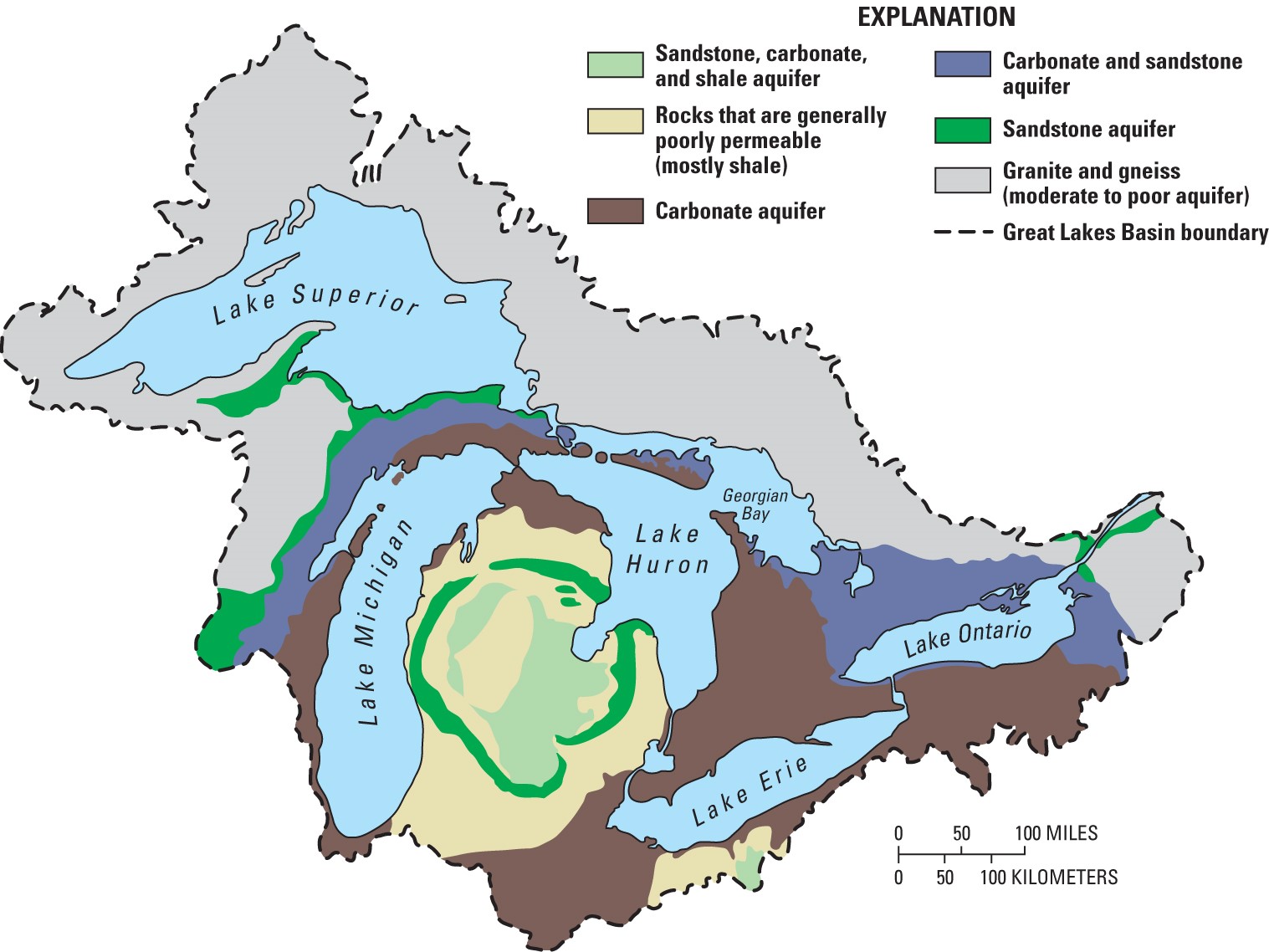
Michigan sits on massive underground aquifers. As groundwater travels through soil and rock, it naturally absorbs minerals like calcium and magnesium — which is why Michigan is known for hard water.
According to the U.S. Geological Survey, much of Michigan’s groundwater measures 180–250 mg/L of hardness, with some areas exceeding 300 mg/L.
Hard water is not dangerous, but it does cause:
- Dry or tight skin after showering
- Dull hair that doesn’t rinse clean
- Stiff towels and faded laundry
- Soap that won’t lather
- Cloudy or foggy glasses from the dishwasher
👉 GET $100 OFF CLOUD RO SYSTEM
https://www.cloudwaterfilters.com/r/andrew-13085
Well Water in Michigan: What to Expect
Well depth varies widely:
- Thumb & Washtenaw County: ~60–100 feet
- Oakland & Livingston County: ~150–250 feet
Depth doesn’t mean better or worse — it reflects local geology.
What Buyers Should Test
At minimum:
- E. coli & coliform bacteria
- Nitrates & nitrites
Recommended full panel:
- Hardness
- Iron & manganese
- pH
- Lead
- Arsenic (naturally occurring in some regions)
- Sodium
Arsenic and iron sound scary, but both are very common and easily treated with proper filtration.

Common Michigan Well Issues (That Aren’t Dangerous)
- Iron bacteria → orange slime or mild odor (not harmful)
- Iron smell → metallic
- Sulfur smell → rotten eggs
Each requires different treatment — and all are manageable.
City Water in Michigan: What to Expect
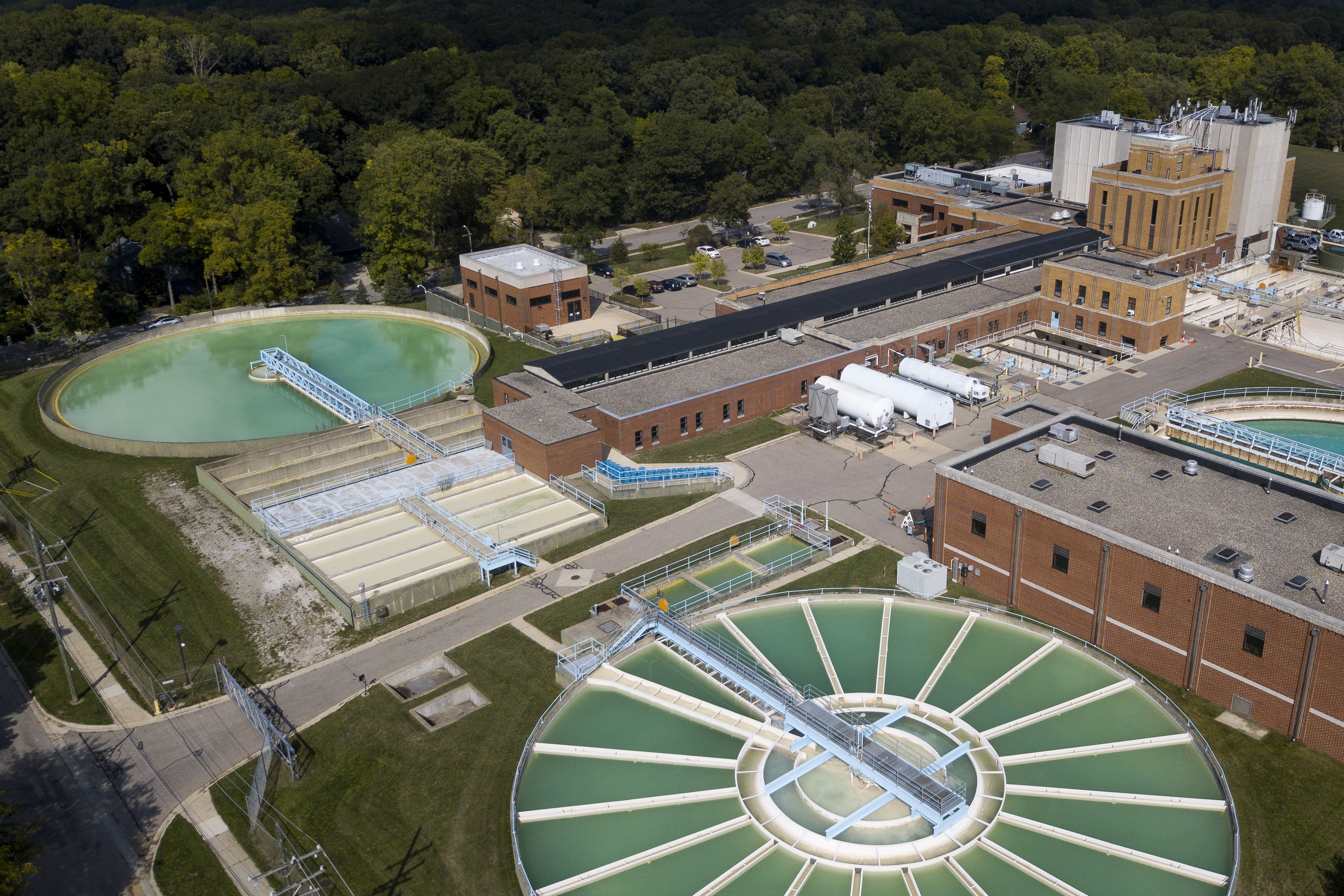
Municipal water is treated, disinfected, and regulated under the Safe Drinking Water Act. It’s typically:
- Chlorinated
- pH balanced
- Monitored frequently
Taste varies by city:
- Detroit vs Ann Arbor vs Novi vs Brighton all taste different
- Distance from treatment plant matters
- Seasonal changes affect smell and taste
Many homeowners install whole-home carbon filters to remove chlorine taste and improve shower feel.
👉 GET $100 OFF CLOUD RO SYSTEM
https://www.cloudwaterfilters.com/r/andrew-13085
Flint, PFAS, and Why Michigan Buyers Ask More Questions
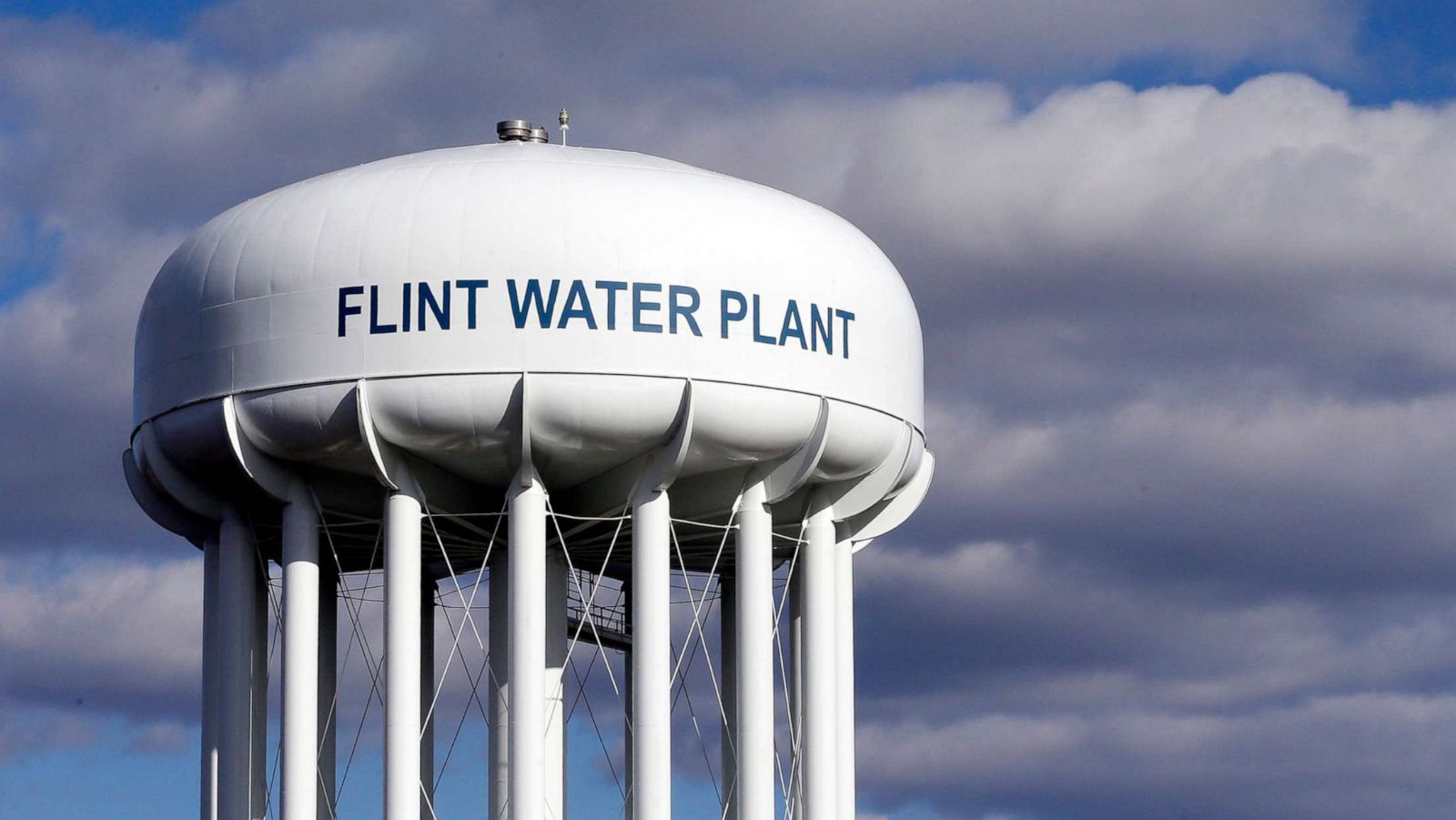
The Flint water crisis permanently changed how people think about water in Michigan — and understandably so. Mentioning it isn’t fear-based; it’s context.
Flint taught buyers:
- Lead usually comes from pipes, not the water source
- Testing matters
- Infrastructure age matters
PFAS (“forever chemicals”) have also been detected in certain regions, especially parts of West Michigan. This does not mean every city has a problem — it means checking your local water report is smart.
Why I Personally Use Reverse Osmosis (Even on City Water)
I grew up on well water, and I’m sensitive to chlorine taste. That’s why I installed a reverse osmosis system in my own home.
RO systems:
- Remove dissolved solids
- Improve taste dramatically
- Provide consistent drinking water
I personally use Cloud Water Filters because:
- No bulky tank
- Easier installation
- No expensive service contracts
👉 GET $100 OFF CLOUD RO SYSTEM
https://www.cloudwaterfilters.com/r/andrew-13085
This was not sponsored — I just genuinely believe in the product and use it myself.
How Water Affects Appliances & Maintenance
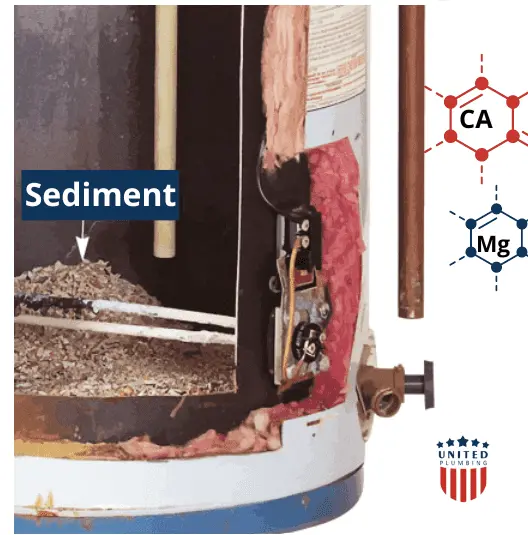
Hard water shortens the lifespan of:
- Dishwashers
- Washing machines
- Water heaters
Sediment settles in water heaters, forcing them to work harder.
Pro tip: Drain your water heater once or twice a year — especially in Michigan — to extend its life.
Choosing Between Well Water & City Water
There is no universally “better” option.
City Water
- Predictable
- Lower hands-on maintenance
- Monthly bill
Well Water
- No water bill
- Fully customizable
- Requires basic awareness & testing
Both can deliver excellent drinking water when properly maintained.
👉 GET $100 OFF CLOUD RO SYSTEM
https://www.cloudwaterfilters.com/r/andrew-13085
Frequently Asked Questions (FAQ)
Is Michigan well water safe?
Yes. A properly drilled and maintained well is one of the safest water sources available.
How often should I test well water?
Annually, and anytime you notice a change in taste, smell, or pressure.
Does hard water damage pipes?
Over time, mineral buildup can reduce efficiency and appliance lifespan.
Is reverse osmosis necessary?
Not required — but it dramatically improves drinking water taste and quality.
Does city water contain lead?
Usually not from the source — lead typically comes from old pipes or fixtures.
Are PFAS found everywhere in Michigan?
No. Only certain areas. Always check your local water report.
Can filtration fix most issues?
Yes. The vast majority of Michigan water concerns are treatable, not dangerous.
Michigan Drinking Water Resources (Official)
- Michigan Department of Environment, Great Lakes, and Energy
https://www.michigan.gov/egle - Michigan Department of Health and Human Services
https://www.michigan.gov/mdhhs - U.S. Environmental Protection Agency
https://www.epa.gov/ground-water-and-drinking-water - Michigan PFAS Action Response Team
https://www.michigan.gov/pfasresponse - Michigan Water Well Construction Program
https://www.michigan.gov/egle/water
FTC Legal Disclaimer: Some links found in this post may be affiliate links, meaning I may earn a commission if you choose to make a purchase through them. This comes at no additional cost to you. This content is not sponsored — I only recommend products I personally use and believe in.
👉 GET $100 OFF CLOUD RO SYSTEM
https://www.cloudwaterfilters.com/r/andrew-13085
Final Thoughts
Water shapes your home more than almost anything else — from your showers to your coffee to how long your appliances last. Understanding your system before you buy turns water from a mystery into a non-issue.
So now I want to hear from you: Do you prefer well water or city water?
And if you’re looking to move to Michigan — whether it’s one day or a million — I help people do exactly that, and I’d be happy to be your resource. My contact info and the Living in Michigan newsletter are linked below.




Is Volinia Township, Michigan a Good Place to …
Volinia Township, Michigan is one of Cass…

Moving to Silver Creek Township, Michigan? What to …
Silver Creek Township, Michigan is where Cass…

Living in Porter Township (Cass County), Michigan: Pros, …
Porter Township, Michigan is a lake-studded rural…