
Introduction
Flint, Michigan is a city people often think they understand—until they spend real time there. Known for its industrial roots and cultural institutions, Flint offers a mix of urban living, established neighborhoods, and ongoing revitalization efforts.
People consider moving to Flint for a variety of reasons, including housing affordability, proximity to major employers, and access to arts and education. Like any city, it comes with trade-offs, and understanding those up front helps set realistic expectations.
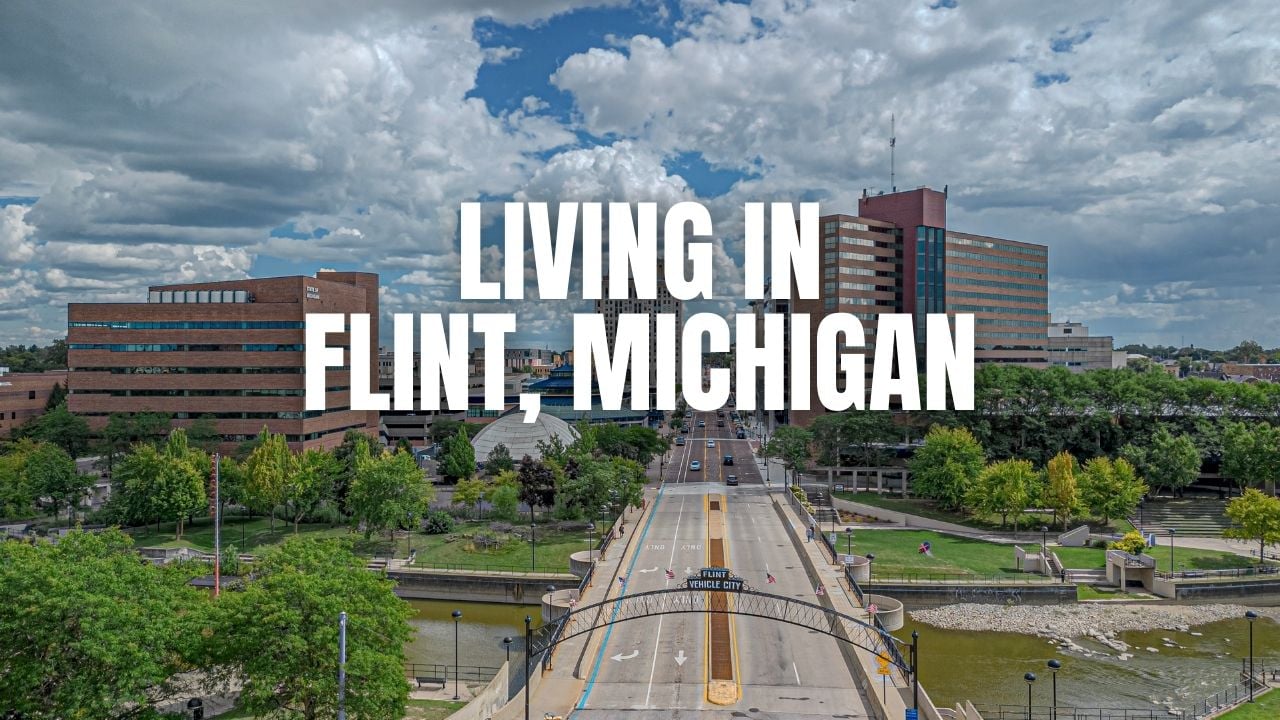
Cost of Living in Flint, Michigan
Flint’s cost of living is generally lower than Michigan averages, driven primarily by housing prices. According to U.S. Census Bureau data, median home values in Flint are significantly below state and national medians.
Based on Bureau of Labor Statistics regional data and BestPlaces.net, utilities and transportation costs align closely with other Mid-Michigan cities. Overall affordability is often a key factor for people relocating to Flint.
Real Estate & Housing Overview
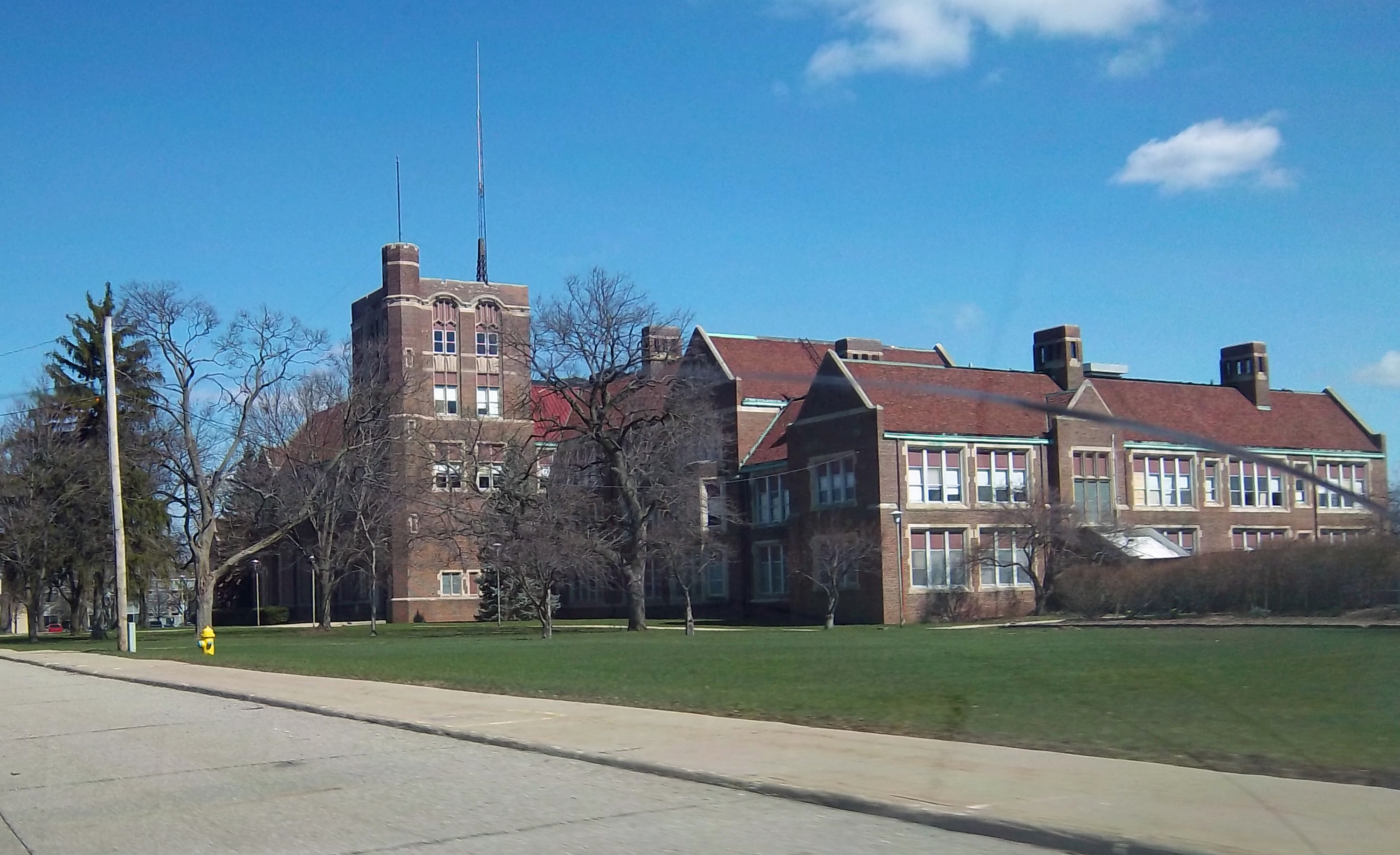
Flint’s housing stock is diverse and largely established. According to the U.S. Census Bureau and Niche.com, many homes were built prior to 1970, with architectural styles ranging from early 20th-century builds to post-war neighborhoods.
Lot sizes vary by area, and new construction is limited but present in select pockets. Real estate activity tends to be neighborhood-specific, emphasizing the importance of local insight rather than broad assumptions.




Living in Madison Heights Michigan: Homes, Taxes, Schools …
Madison Heights might be one of Metro…
Living in Pleasant Ridge Michigan: The Tiny City …
Discover what makes Pleasant Ridge, Michigan unique,…
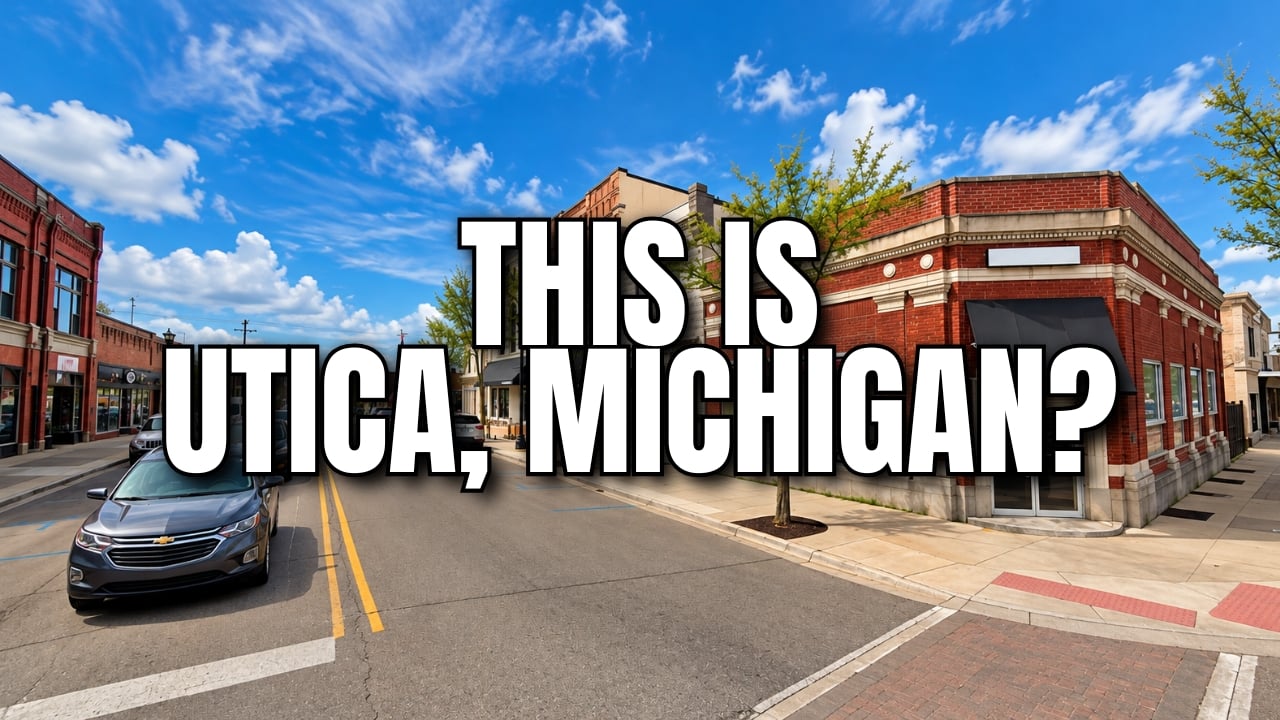
Living in Utica Michigan: What You Need to …
Discover what it's like living in Utica,…