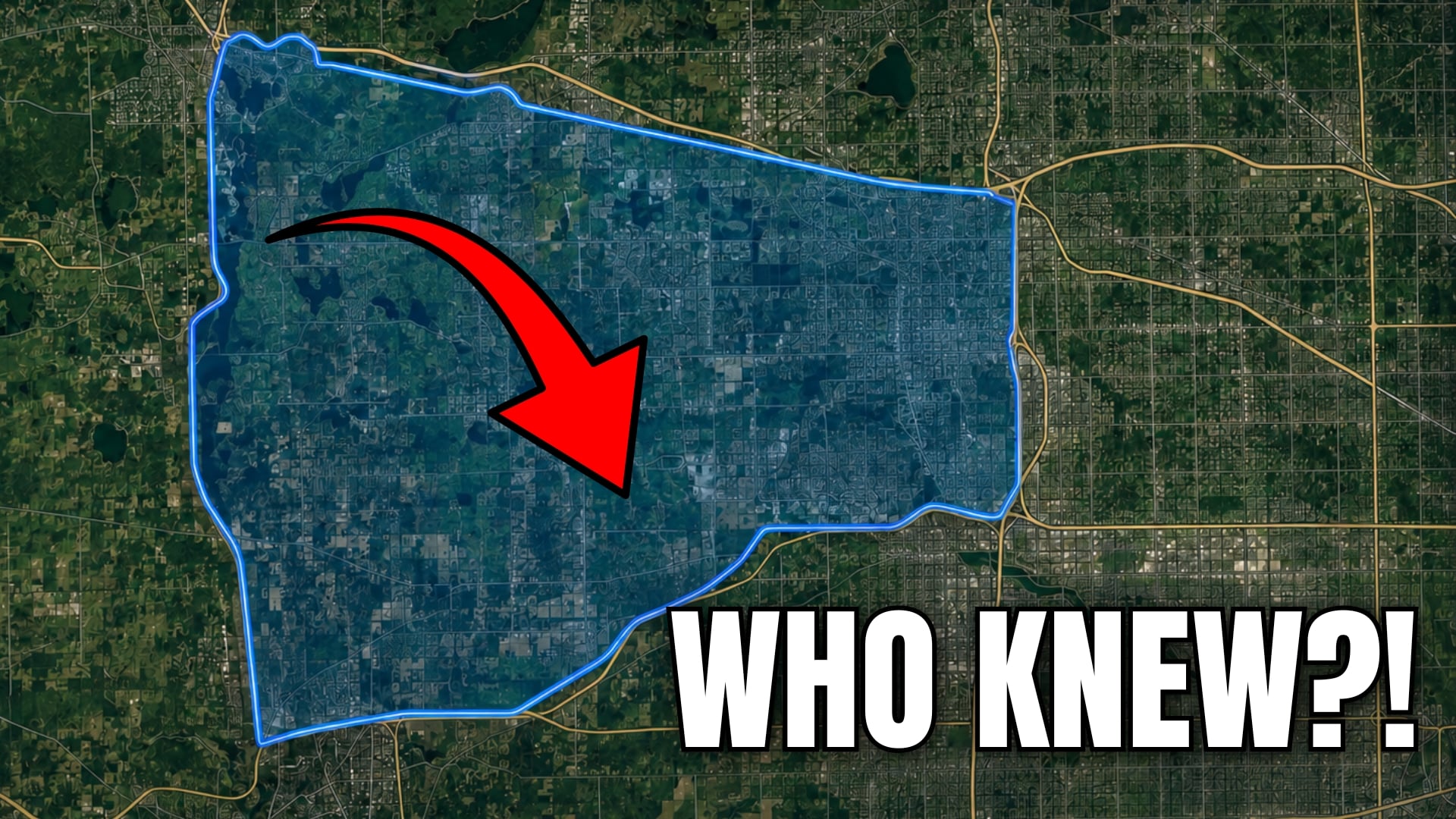
Living in Clinton Township Michigan: The Honest Guide for Relocation Buyers in 2026
Clinton Township is one of the most misunderstood places in all of Metro Detroit. Most people who write it off have never actually spent a day here, and if you are researching a move to Michigan right now, that is a problem. Skipping this area might mean walking past one of the better value plays in Southeast Michigan.
I am Andrew McManamon, a Michigan Realtor who helps people move to, from, and within the state every week. I am going to give you the real breakdown on Clinton Township: what your money actually gets you, what the property taxes look like before and after closing, what daily life feels like, and who this area genuinely works for. No filler.
What Does a Home in Clinton Township Actually Cost?
Here is where the conversation usually shifts. The median home price in Clinton Township sits just below the mid-$260,000s as of recent data, slightly under the broader Michigan MLS median which has been tracking in the mid-$270,000s. That gap matters. It means buyers in this market are still participating in Michigan's upward price trends, but at a slightly more accessible entry point than the region overall.
At the $200,000 to $250,000 range, you can still find a detached single-family home, not a condo, a real house with a yard. Typically a ranch or tri-level from the 1960s through 1980s, structurally solid, probably needing cosmetic updates, but very livable. For first-time buyers, this is one of the few pockets of Metro Detroit where that is still a realistic outcome.
In the $300,000 range, you are looking at updated colonials, more square footage, finished basements, and two-car garages. This is the zone where move-up buyers and relocators start to feel like they have found a balance.
Once you hit the $400,000-plus range, you are typically looking at newer construction or heavily updated homes, concentrated in the northern portions of the township or near Macomb Township. For buyers coming from California, Texas, or Florida, the comparison is often jarring in the best way.
I have had buyers start their search convinced they needed to stretch their budget, walk a few homes out here, and completely rethink their assumptions. That happens regularly. It is not hype, it is just what the numbers produce.

Michigan Property Taxes in Clinton Township: The Number That Changes Everything
This is the section that can save you from a painful surprise, so read it carefully. Michigan's property tax system works differently than most states, and it catches out-of-state buyers off guard constantly.
Taxes here are calculated using a millage rate applied to taxable value, not market value. Under Proposal A, the taxable value of a home is capped while the current owner holds it, which means taxes can only increase by the rate of inflation annually. The moment a property sells, that cap is lifted and taxable value resets to 50% of the new assessed market value.
The taxes you see on any listing are almost certainly lower than what you will actually pay. Always verify the current tax figures using the Michigan property tax estimator at Michigan.gov, cross-reference the current year millage rate documents for that specific district, and run your own numbers against your purchase price.
This is a step most buyers skip and then regret. Here is a real example from this market. I was working with a buyer on a newer construction home in Clinton Township priced just under $400,000. They flagged the listed tax amount and asked if it was a mistake. It was not, but their actual tax bill as a new buyer would land around $10,000 annually. That is a significant monthly number if you are not building it into your budget from day one.
Clinton Township is served by multiple school districts depending on exactly where the home falls, and each carries its own millage rate. Here is a current snapshot for homestead, meaning primary residence, buyers:
- Chippewa Valley Schools: 42.1271 mills
- L'Anse Creuse Schools: 40.4871 mills
- Fraser Schools: 40.4871 mills
- Clintondale Schools: 46.4871 mills
- Mount Clemens Schools: 47.3608 mills
To put that into practical math: take a $260,000 home, multiply 50% of that value, which is $130,000, by the millage rate, and divide by 1,000. At the Mount Clemens rate, you are looking at roughly $6,156 per year. At the lowest rate on this list, L'Anse Creuse or Fraser, you are at roughly $5,263.
If you are an investor not claiming homestead exemption, expect millage rates in the 58 to nearly 65 range. That is a meaningful difference in cash flow that needs to be built into your numbers from the start. Do the math before you make an offer. Or reach out and I can walk through it with you directly.
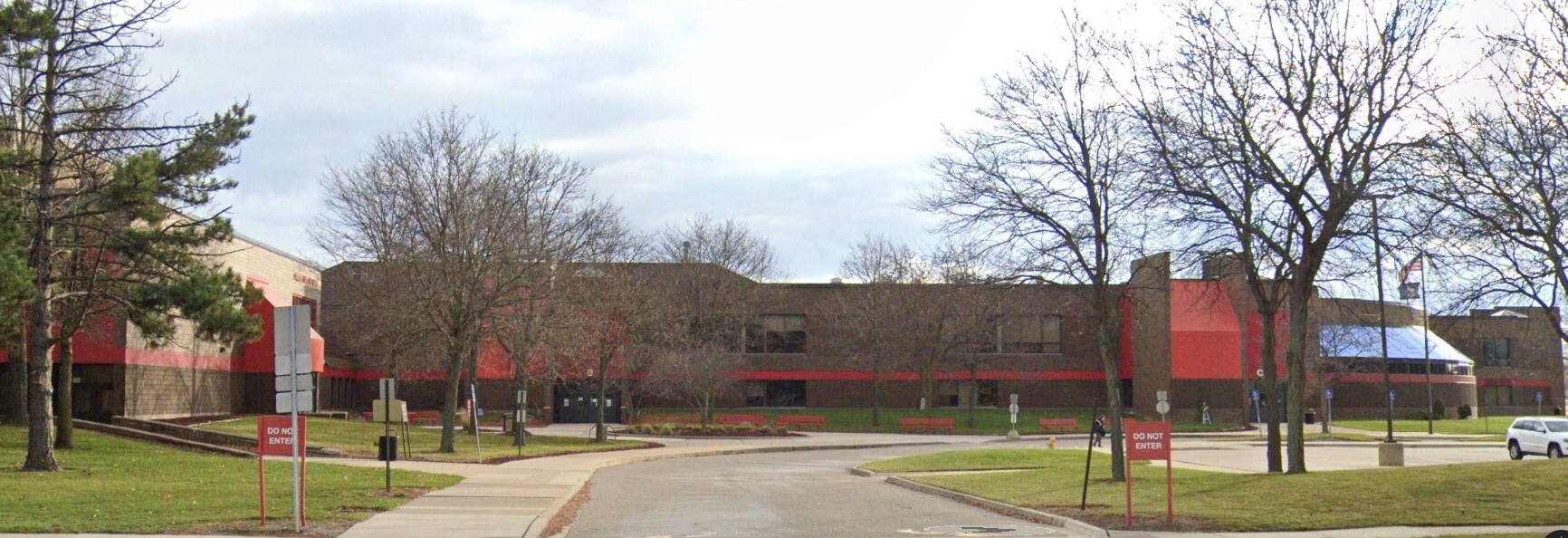
What Daily Life in Clinton Township Actually Looks Like
Hall Road is the operational center of this area. Shopping, restaurants, grocery stores, gyms, and urgent care are all accessible along that corridor. It does get congested during peak hours, and that is a genuine trade-off if you value low-traffic living. But from a pure convenience standpoint, it covers the bases well.
For outdoor access, you have parks, trails along the Clinton River, and a short drive to Lake St. Clair, which is something most people do not fully appreciate until they are standing at the waterfront. That proximity adds a recreational layer to this area that is underrated in most relocation conversations.
One thing buyers consistently get wrong about Clinton Township is assuming it is one homogeneous place. It is not. The southern portions, closer to I-94, have older housing stock and more established neighborhoods. Move north and you will find newer construction, larger lots, and a noticeably different feel.
A small geographic shift within the township can mean a different school district, a different millage rate, and a completely different daily experience. Location within the township matters, and it is worth a detailed conversation before you narrow your search to specific neighborhoods.
Credit: Clinton Township Community Profile
Real Seller Stories: What I Have Actually Seen in This Market
Two transactions from this market come to mind that illustrate the range of what buyers and sellers encounter here.
The first was an older ranch in a tree-lined neighborhood. Great lot, 3 bedrooms, 2 bathrooms, attached garage, and a pool, priced right in line with the area average. What we discovered during the inspection process was roots growing into the sewer line, which is common in areas with mature trees and older infrastructure.
We brought in a company to hydrojet the line, addressed it upfront, disclosed everything clearly, and still got top dollar because there were no surprises for the buyer. The lesson for buyers is straightforward: if you are looking at homes in areas with older infrastructure and mature tree canopy, get a sewer scope. It is not expensive and it can save you from a significant post-closing repair.
The second was a newer construction home in the township that required a completely different strategy. Condition was not the issue, competition was. We focused on timing, presentation, and positioning against comparable inventory. That home was on a busier street, which some buyers would have flagged as a concern, and it still sold within a few weeks. The approach matters as much as the product in this market.
Clinton Township vs. Troy, Shelby Township and Oakland County
If you are comparing Clinton Township to markets in Oakland County, Troy, Rochester Hills, or Birmingham, you are typically trading perceived prestige and location for space and value. Oakland County carries a different zip code reputation and in many cases higher price points for comparable square footage. Whether that trade makes sense depends entirely on your priorities.
Against Shelby Township or Macomb Township, Clinton Township typically wins on price while those areas offer newer overall development and slightly more retail polish. Sterling Heights, which borders Clinton directly, is another close comparison with a similar price band but a different neighborhood feel.
None of these comparisons have a universal right answer. The relevant question is what matters most to you: commute route, school district, price per square foot, proximity to specific amenities, or lot size. Run those variables honestly and see where Clinton Township lands. For a lot of buyers, it lands higher than they expected going in.
Pros and Cons: The Honest Summary
The case for Clinton Township is real. Affordability at the sticker price, more house for your budget than most comparable Metro Detroit markets, a central Macomb County location, access to Lake St. Clair, and housing options across a wide range of price points. If you are relocating from a high-cost state, this market can genuinely surprise you.
The case against it is equally real. Hall Road traffic during peak hours is a consistent friction point. There is no walkable downtown if that is part of the lifestyle you are looking for. Some neighborhoods show their age, and older infrastructure means buyers need to be thoughtful about inspections, sewer scopes in particular. Property taxes, as detailed above, are often meaningfully higher for new buyers than the listing figure suggests.
Neither the pros nor the cons are deal-breakers for most buyers. They are just context you need before making a decision, and now you have it.
Frequently Asked Questions About Living in Clinton Township Michigan
Is Clinton Township a good place to live?
For buyers prioritizing value, space, and a centrally located Metro Detroit address, Clinton Township is a strong option. It offers more square footage per dollar than many Oakland County markets, solid access to daily conveniences along Hall Road, and proximity to Lake St. Clair. The trade-off is that it lacks a walkable downtown and some sections have older housing stock that requires careful inspection.
What is the average home price in Clinton Township Michigan?
As of recent market data, the median home price in Clinton Township sits just below the mid-$260,000s, slightly below the broader Michigan MLS median of roughly mid-$270,000s. Entry-level single-family homes start in the $200,000 to $250,000 range, with updated colonials and larger homes typically running $300,000 to $400,000 and above.
What school districts serve Clinton Township Michigan?
Clinton Township is served by five school districts depending on the home's exact location: Chippewa Valley, L'Anse Creuse, Fraser, Clintondale, and Mount Clemens. Each district carries a different millage rate which directly affects your annual property tax bill. Researching district boundaries before narrowing your home search is strongly recommended.
How do property taxes work in Clinton Township?
Michigan uses a millage rate system applied to taxable value, not market value. Under Proposal A, taxes are capped while the current owner holds the property, but when a home sells, taxable value resets. The taxes listed on a home are almost always lower than what a new buyer will pay. At a $260,000 purchase price in Clinton Township, annual taxes for a primary residence typically range from roughly $5,200 to $6,200 depending on district, before factoring in any additional exemptions.
How far is Clinton Township from Detroit?
Clinton Township is approximately 20 to 30 minutes from downtown Detroit, depending on your specific location within the township and the time of day. I-94 and M-59 are the primary commuter routes.
Is Clinton Township safe?
For specific questions about community conditions, visiting local community resources and doing your own research at the neighborhood level is the best approach. From a real estate standpoint, Clinton Township remains an active, in-demand market with consistent buyer interest across multiple price points.
How does Clinton Township compare to Shelby Township or Troy?
Clinton Township typically offers lower price points than Troy in Oakland County and comparable or slightly lower pricing than Shelby Township, with a more established, built-out feel. Troy and parts of Oakland County carry stronger name recognition and often higher prices for comparable square footage. Shelby Township offers a newer overall development pattern. The right market depends on your priorities: budget, commute, school district, and lifestyle preferences all factor into that decision.
Thinking About Moving to Michigan?
If you have made it this far, you are probably doing real research and not just browsing. I put together a free 74-page Living in Michigan Guide that walks through what life actually looks like across the state, from housing costs to communities to what buyers routinely get wrong before making a move. Grab it at the link here.

Check Out the EXCLUSIVE "Living In Michigan" Apparel HERE
Living in Washington Township Michigan: Homes, Cost, Schools, …
Thinking about moving to Washington Township, Michigan?…
A Backyard Pool Retreat in Green Oak Township …
Explore 9925 Timothy Lane in Green Oak…