
The True Cost of Living in Michigan: What People Don’t Tell You
Scroll Zillow long enough and you’ll see it happen. A Michigan house pops up and you think, “There’s no way homes are still that cheap.” Then someone jumps in with, “Yeah… wait until your car insurance and property taxes hit.”
Here’s the truth: both are right.
Michigan is one of the most misunderstood states when it comes to cost of living. You get more house, more space, and more lifestyle for your dollar than in many parts of the country—but certain expenses can absolutely catch you off guard if you don’t understand how they work.
That’s exactly what this guide is about.
I’m going to break down the real cost of living in Michigan, covering housing, property taxes, insurance, utilities, groceries, transportation, income levels, and—most importantly—what it actually costs to buy and live in a home here month to month.
Before we dive in, I’m Andrew McManamon, a Michigan Realtor who helps people move to, from, and within the state every single week. Everything below is based on real data, real transactions, and what buyers actually experience—not internet hot takes.
Housing Costs in Michigan: Affordable, But Not Uniform
Housing is where Michigan still stands out nationally.
The typical Michigan home value sits around $270,000, which is well below the national median. That affordability is a major reason people relocate here from higher-cost states.
But averages hide reality.
In Ann Arbor, home prices commonly land in the low $500,000s due to university demand and limited inventory. Grand Rapids ranges from the upper $200,000s into the $300,000s depending on location. Detroit remains one of the most affordable major cities in the country, with many homes still near the low $100,000s—though prices are rising quickly as redevelopment spreads.
Inventory remains tight statewide, hovering around a 2.4-month supply, which means good homes still move quickly. Mortgage rates in the mid-to-low 6% range have cooled demand slightly, but serious buyers are still active.
Most economists project 2–3% annual appreciation through 2026, pointing to slow, sustainable growth rather than the dramatic spikes of the pandemic era.

Michigan Property Taxes Explained (Why Zillow Lies)
Property taxes are where Michigan confuses almost everyone.
The average effective property tax rate falls between 1.15% and 1.24%, but what matters most is location. Every township, city, and village sets its own millage rate, funding schools, libraries, roads, and local services.
How Michigan Property Taxes Are Estimated
Michigan assessors generally use two methods:
Lower estimate:
Current taxable value × millage rate ÷ 1,000Higher planning estimate:
Half of the purchase price × millage rate ÷ 1,000
For example, a $270,000 home in an area with a 38-mill tax rate equals roughly $5,130 per year.
Why Taxes Jump After You Buy
Michigan’s Proposal A (1994) limits annual taxable value increases to the rate of inflation or 5%, whichever is lower—as long as ownership doesn’t change. When a home is sold, the taxable value uncaps the following year, resetting closer to market value.
That’s why new homeowners often see a significant tax increase after year one, and why neighbors can pay dramatically different taxes on nearly identical homes.
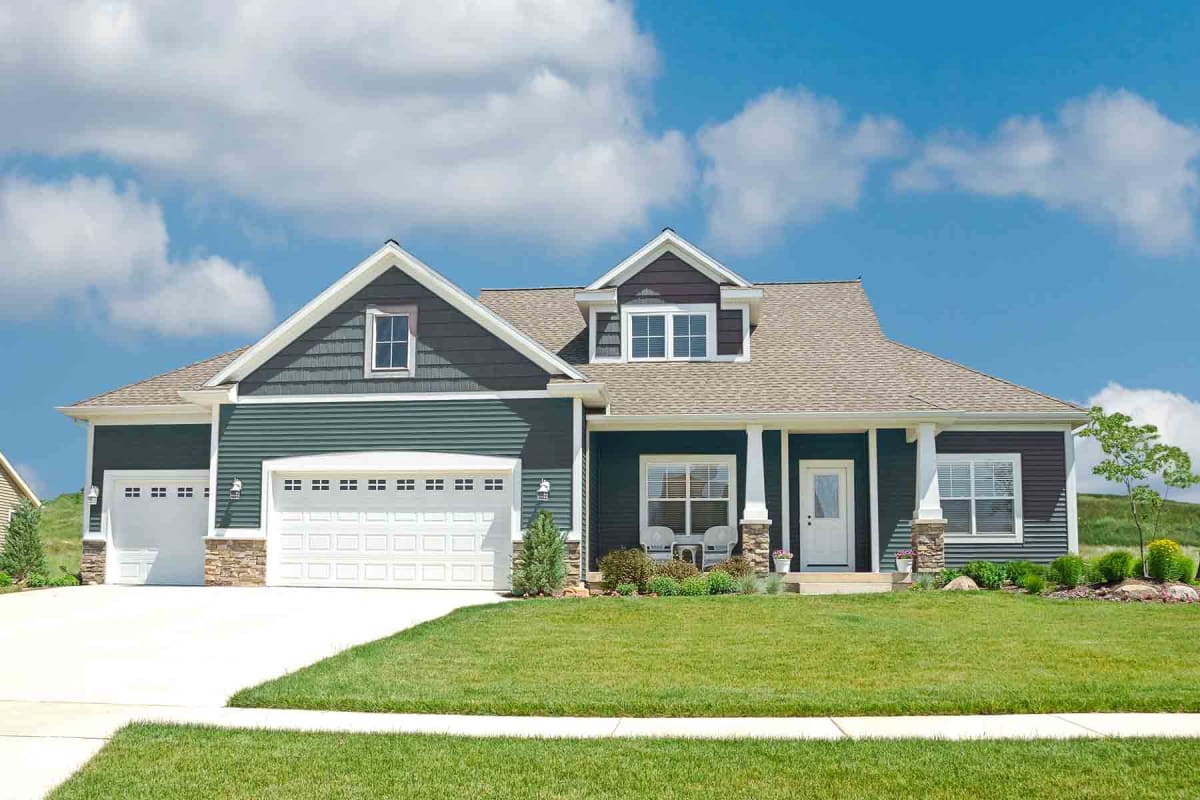
Zillow displays the seller’s tax bill, not yours. Many lenders still base pre-approvals on those outdated numbers, which is why buyers get blindsided later. Using a Michigan-specific tax estimator during your search is critical.
Michigan Insurance Costs: Lower Than Before, Still Location-Dependent
Auto Insurance
Michigan’s no-fault reforms allow drivers to choose Personal Injury Protection levels rather than defaulting to unlimited coverage. This created real savings—but only if you understand what you’re selecting.
Most full-coverage policies now range between $1,800 and $3,000 per year, with some lower depending on driving history and location. Always review coverage line-by-line before cutting costs.
Homeowners Insurance
Homeowners insurance averages about $1,900 per year statewide, though inland suburban areas are typically lower and lakefront properties higher. Bundling home and auto policies often saves 10–15%, and recent upgrades like roofs, plumbing, or electrical systems can reduce premiums.
Utilities in Michigan: Four Seasons, Four Bills
Michigan’s climate directly affects monthly expenses.
Electric rates average around $0.20 per kWh, with natural gas near $1.20 per therm. Most households spend $150–$250 per month on utilities, with winter heating pushing that higher.
Rural homes using propane often pay $3–$4 per gallon, and winter fills can cost several hundred dollars. City water and sewer typically range from $60–$120 per month.
Well and septic homes have lower monthly bills but trade them for maintenance—septic pumping every few years, water softener salt, and routine system upkeep.

Transportation Costs in Michigan
Gas prices typically sit just below the national average, hovering around $3.05–$3.50 per gallon. Michigan has no toll roads, which quietly saves drivers hundreds per year.
Vehicle registration fees are based on original MSRP, meaning newer vehicles cost more initially. Used car prices have cooled, averaging around $25,000, while new vehicles hover near $46,000.
Public transit in Metro Detroit is usable with planning. A DART pass covers DDOT and SMART buses for $70 per month, while the QLINE and People Mover remain free downtown.
Groceries, Dining, and Daily Life
Michigan’s overall cost-of-living index sits around 97, compared to the national average of 100.
Staple prices remain reasonable: milk around $3.30, bread near $3, and eggs around $2.50. Families who cook at home can comfortably spend $850–$1,000 per month, especially when taking advantage of Michigan’s seasonal farmers markets.
Dining out averages $15–$20 per person casually, with upscale restaurants in areas like Ann Arbor or Birmingham reaching $50–$60 per person.
Income Levels in Michigan
Cost of living only matters in context.
Michigan’s median household income is roughly $72,000. Single earners typically land between $42,000 and $45,000, while dual-income households average $85,000–$90,000 depending on region and industry.
Manufacturing, healthcare, education, and tech anchor the job market, while remote work continues to stabilize housing demand by bringing out-of-state salaries into Michigan communities.

What It Really Costs to Buy a $270,000 Home in Michigan
Here’s the part most blogs skip.
Using a $270,000 home in Rochester Hills, a realistic buyer should expect roughly $30,000+ cash to close, including earnest money, inspections, appraisal, down payment, lender fees, title costs, prorated taxes, and insurance.
At a 6.5% interest rate, monthly payments land around $2,036, before utilities, groceries, internet, and transportation. Realistically, total monthly living costs push $2,500+.
This isn’t theoretical—it’s what buyers face today.
Bottom Line: Is Michigan Still Affordable?
Michigan still sits 6–8% below the national cost-of-living average, but affordability is narrowing. You get more space, access to nature, and a higher quality of life without needing a coastal salary—but entry costs are real, and planning matters more than ever.
Frequently Asked Questions About the Cost of Living in Michigan
Is Michigan an affordable state to live in?
Yes, Michigan’s overall cost of living is below the national average, though housing, taxes, and insurance vary widely by location.
Why are Michigan property taxes so confusing?
Because taxable value resets after a sale. Zillow shows the seller’s taxes, not what new buyers will pay.
How much income do you need to live comfortably in Michigan?
Most households feel comfortable earning between $70,000 and $90,000 depending on housing costs and lifestyle.
Is Michigan expensive for retirees?
It can be affordable due to capped taxable value growth, but healthcare and winter heating costs should be considered.
How much does it cost to buy a home in Michigan?
Buyers typically need 8–12% of the purchase price available for down payment and closing costs.
Is Michigan cheaper than Ohio or Indiana?
Housing is similar, but Michigan’s insurance and property tax structures are more complex.
Are utilities expensive in Michigan?
Utilities are moderate overall, but winter heating significantly increases costs.
Is Michigan good for first-time buyers?
Yes, but first-time buyers must understand tax uncapping and insurance costs to avoid surprises.
Thinking About Moving to Michigan?
If you’re considering a move—whether that’s next month or five years from now—I help people navigate Michigan’s housing market every single day. I’ve also linked my Living in Michigan newsletter below, where I share data, guides, and insights I don’t always post publicly.
What surprised you most about Michigan’s cost of living? Drop a comment and let me know.



Michigan's FASTEST Growing Towns Are Losing Value (Here's …
Michigan is growing, but home prices are…
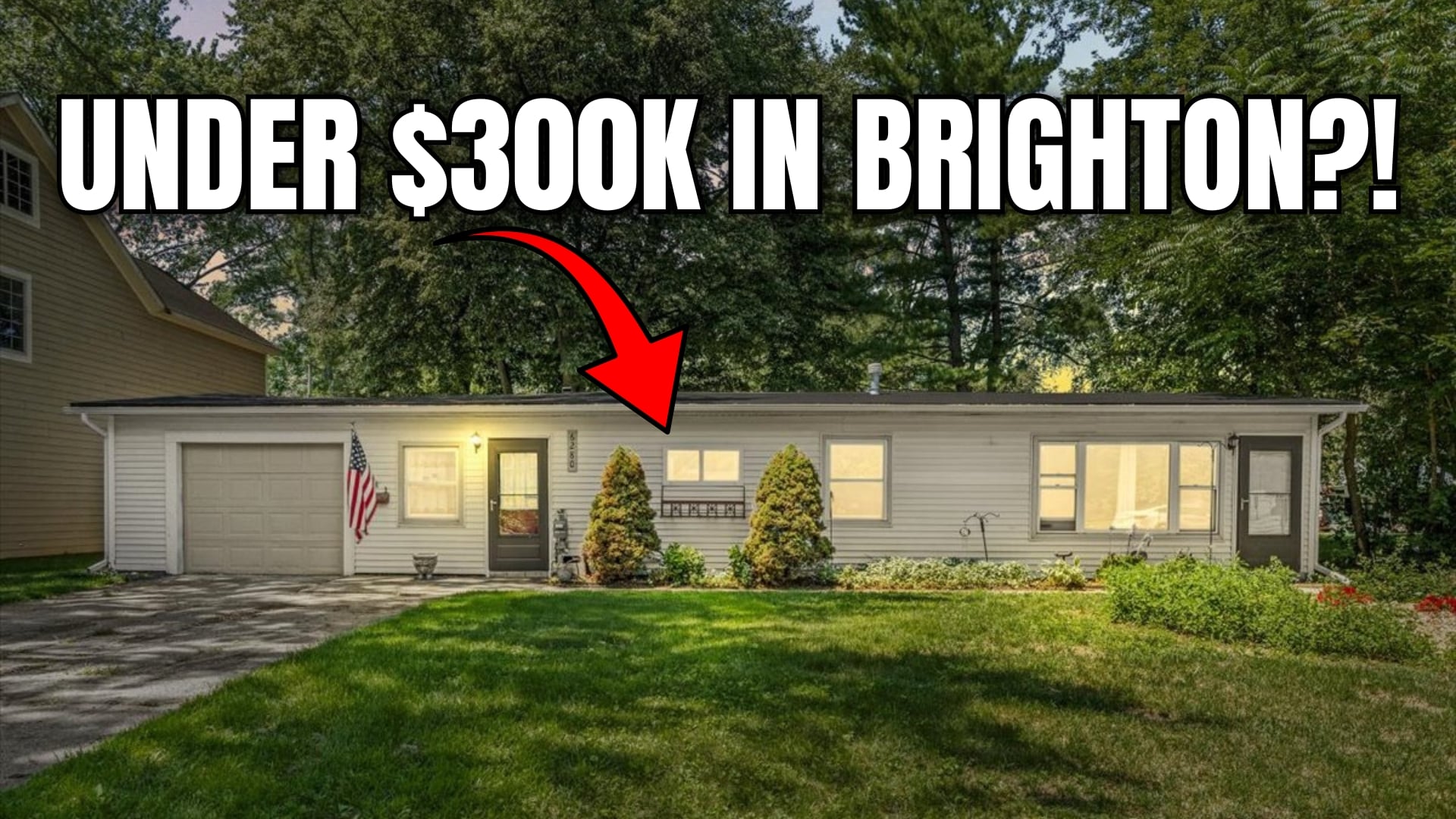
The Most Connected Home in Brighton, Michigan | …
6280 Beth Rd, Brighton, MI: move-in-ready 3-bed,…
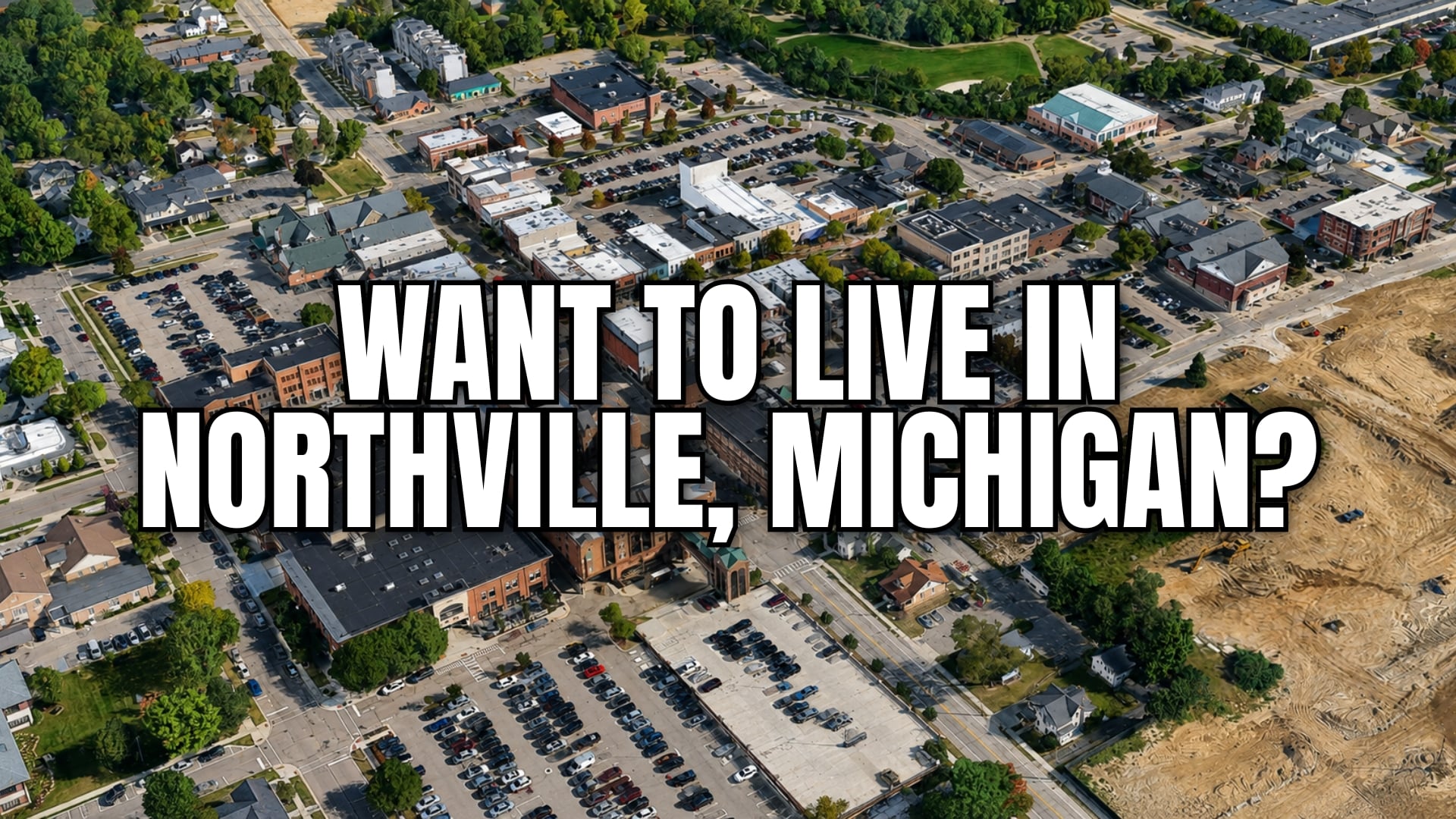
Living In Northville, Michigan (Is It Worth It?)
Thinking about living in Northville, Michigan? Discover…