
Introduction
Port Austin, Michigan is one of those places that people often discover by accident — and then keep coming back to on purpose. Located at the very tip of Michigan’s Thumb, this Lake Huron village is known for waterfront views, boating, and iconic landmarks like Turnip Rock.
With a population of just under 700 residents according to the U.S. Census Bureau, Port Austin is small in size but draws seasonal visitors throughout the summer. If you're considering living here full-time or buying a second home, it’s important to understand both the lifestyle benefits and the practical realities.
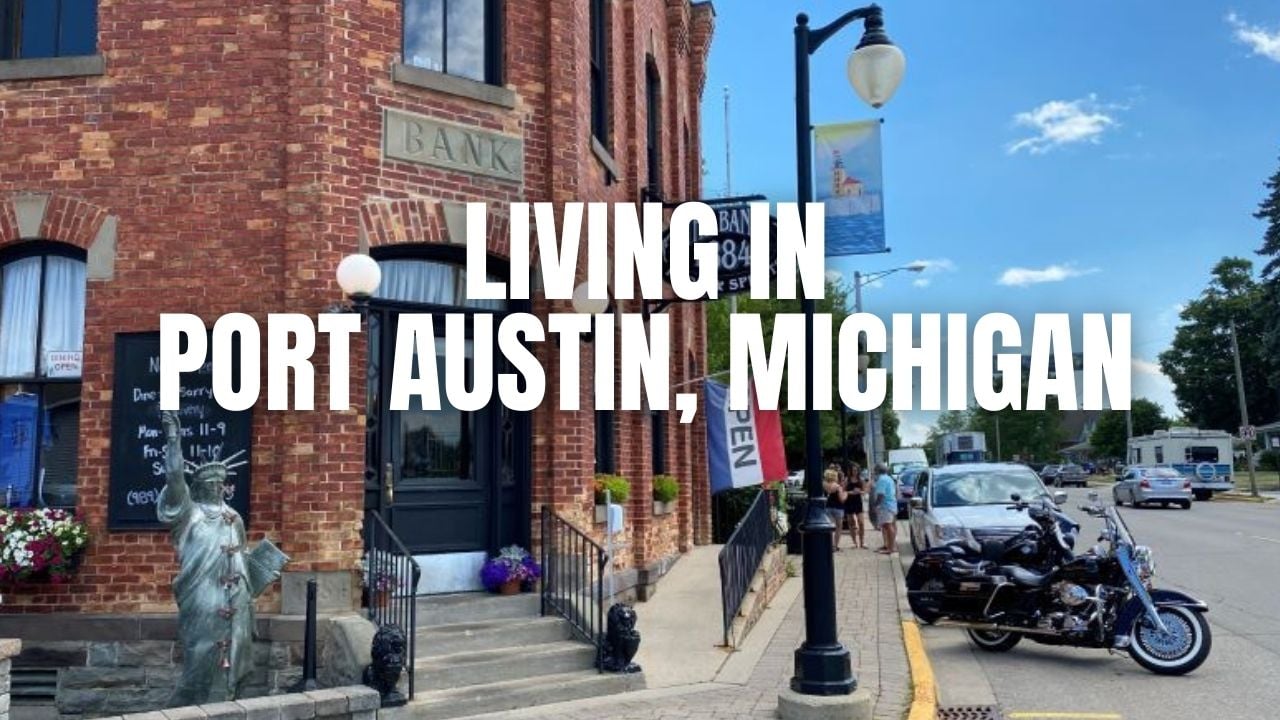
Cost of Living in Port Austin, Michigan
Housing costs in Port Austin vary widely depending on proximity to Lake Huron. Waterfront properties typically command higher prices than inland homes, consistent with general Michigan waterfront market trends.
According to U.S. Census Bureau data, median home values in Huron County are below the Michigan state median, but lakefront homes in Port Austin may exceed county averages due to location.
BestPlaces.net reports that overall cost of living in Port Austin is near or slightly below the national average, though seasonal demand can influence housing prices. The Bureau of Labor Statistics notes that transportation costs in rural areas may be higher due to longer travel distances for work and services.
Utilities and groceries generally align with broader Michigan averages.
Real Estate & Housing Overview
Port Austin’s housing stock includes historic cottages, mid-century lake homes, ranch-style houses, and newer custom-built waterfront properties. According to U.S. Census Bureau housing data, many homes were built between the 1940s and 1980s, with continued additions in more recent decades.
A notable portion of housing units are used seasonally, which is common in Michigan lake communities. This pattern is reflected in Census housing occupancy data.
Lot sizes vary from compact village lots to larger lakefront parcels. New construction exists but is limited by available land, particularly along the shoreline.
As with most waterfront communities, pricing is highly dependent on location and water access rather than just square footage.




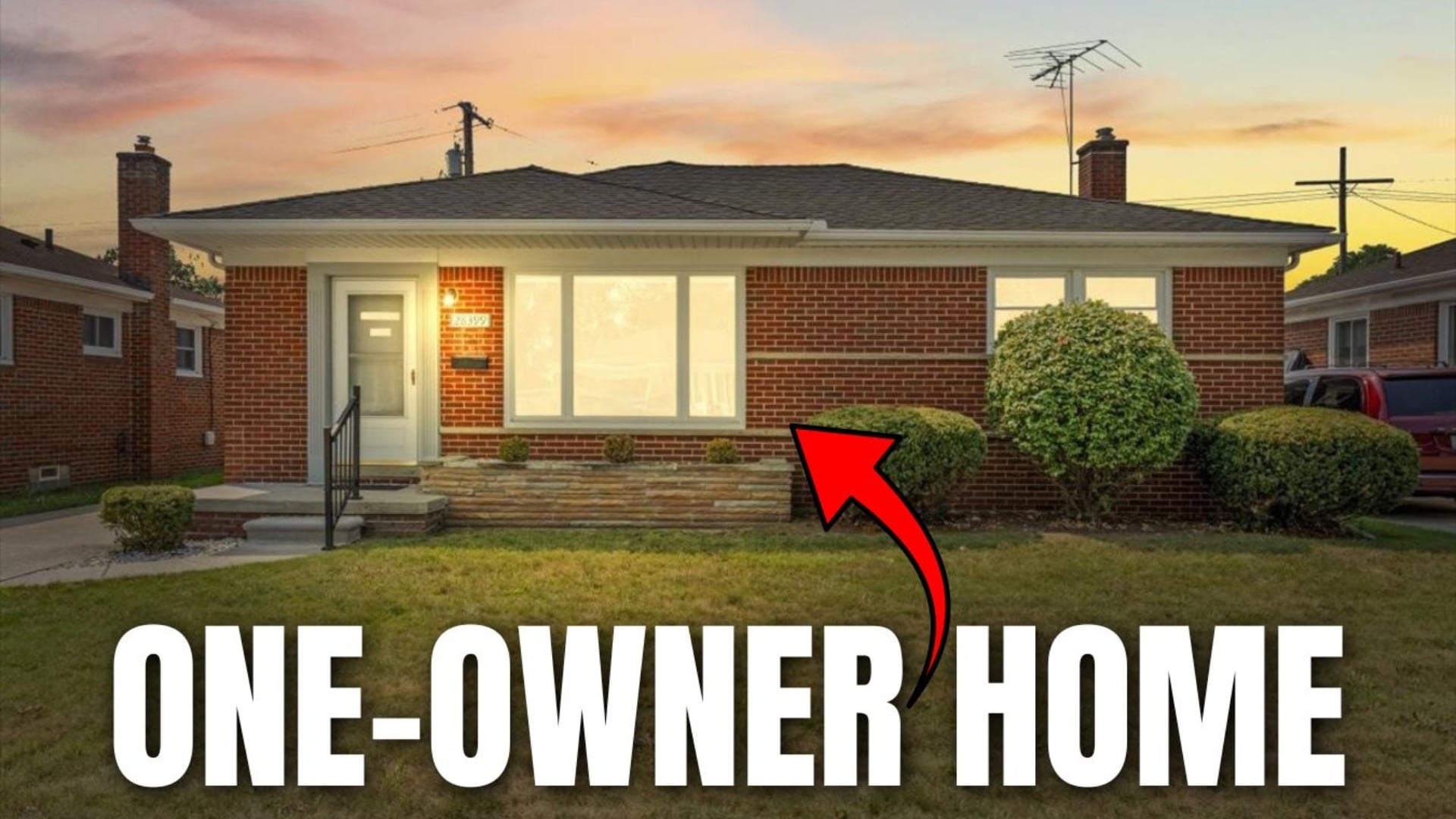
An Expanded Brick Ranch in Madison Heights | …
Explore 28399 Palmer Blvd in Madison Heights,…


Michigan's FASTEST Growing Towns Are Losing Value (Here's …
Michigan is growing, but home prices are…