
Introduction
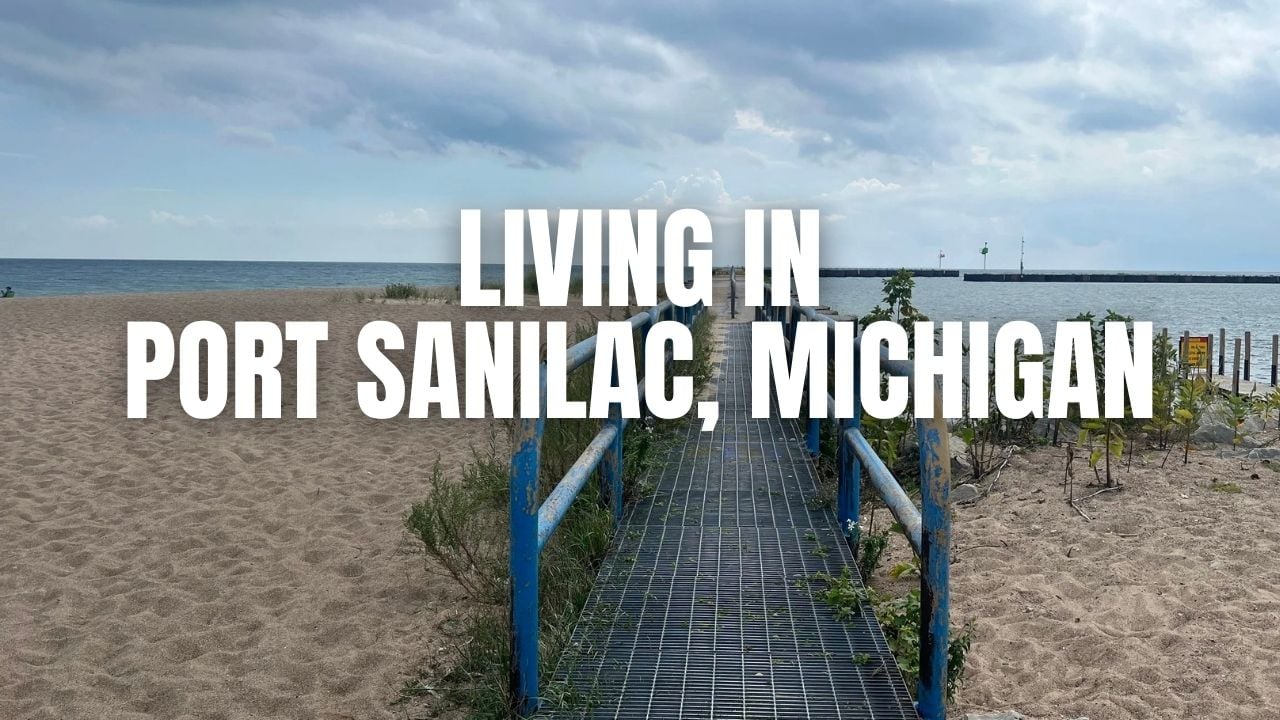
If you’ve ever driven along Michigan’s Lake Huron shoreline and thought, “I could live here,” Port Sanilac might be exactly what you had in mind.
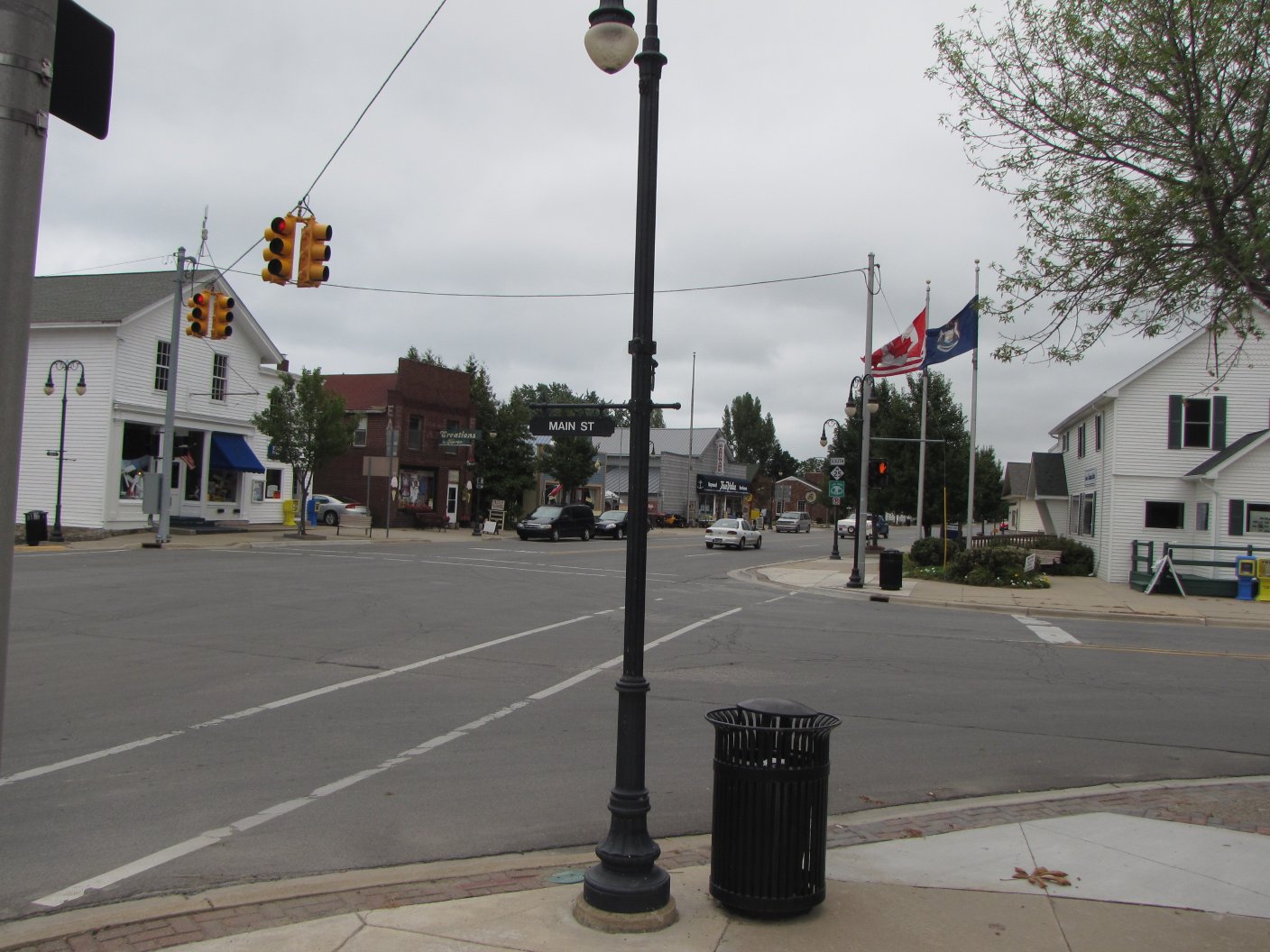
This small waterfront village in Sanilac County offers harbor views, marina access, and a quieter pace compared to larger coastal cities. With a population under 600 residents, according to the U.S. Census Bureau, Port Sanilac is truly a small community.
In this practical guide, we’ll walk through what living here actually looks like — from housing and property taxes to lifestyle, schools, and everyday conveniences — so you can decide whether Port Sanilac, Michigan fits your long-term plans.
Cost of Living in Port Sanilac, Michigan
Because Port Sanilac is a very small village, detailed cost-of-living data specific to the municipality is limited.
According to U.S. Census Bureau data, housing in small Sanilac County communities generally trends below Michigan’s statewide median home value. However, waterfront properties along Lake Huron can command higher prices due to location and access.
BestPlaces.net reports that Sanilac County’s overall cost of living index is below the national average, which provides general context for the area.
Utility and transportation costs typically align with Michigan averages, based on Midwest regional data from the Bureau of Labor Statistics.
As always, lakefront homes and marina-access properties can differ significantly in price compared to inland properties.
Real Estate & Housing Overview
Port Sanilac’s housing market is largely influenced by its waterfront location.
Based on U.S. Census Bureau housing data:
A mix of seasonal and year-round residences exists
Many homes were built between the mid-1900s and early 2000s
Owner-occupied properties make up a significant portion of housing stock
Common home styles include:
Lakefront cottages and ranch-style homes
Traditional two-story houses
Modular or manufactured homes in certain areas
Lot sizes vary widely. Waterfront properties typically offer direct Lake Huron frontage, while inland lots may be more modest.
New construction is limited compared to larger suburban communities. Market activity tends to be seasonal, with more listings appearing in spring and summer months, according to regional MLS trends.



The Michigan Housing Market Is NOT the Same …
Wondering what the Michigan housing market is…

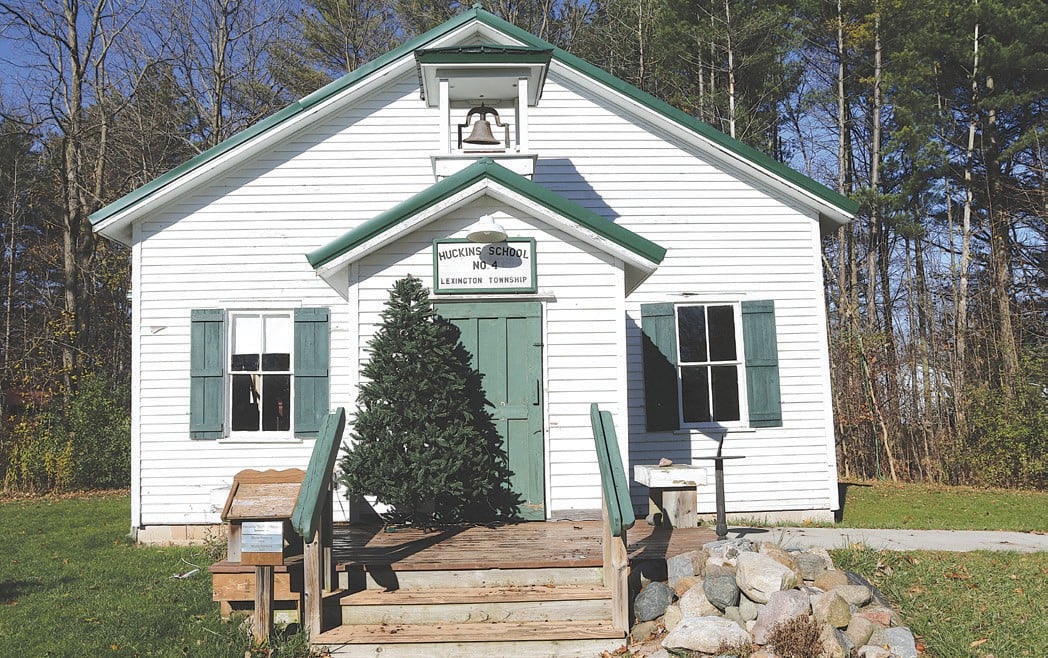
Is Lyon Township Michigan Worth It? Home Prices, …
Thinking about living in Lyon Township, Michigan?…