
Introduction
If you’re searching for quieter places to live in Southeast Michigan, Riley Township, Michigan may be one of those communities worth exploring.
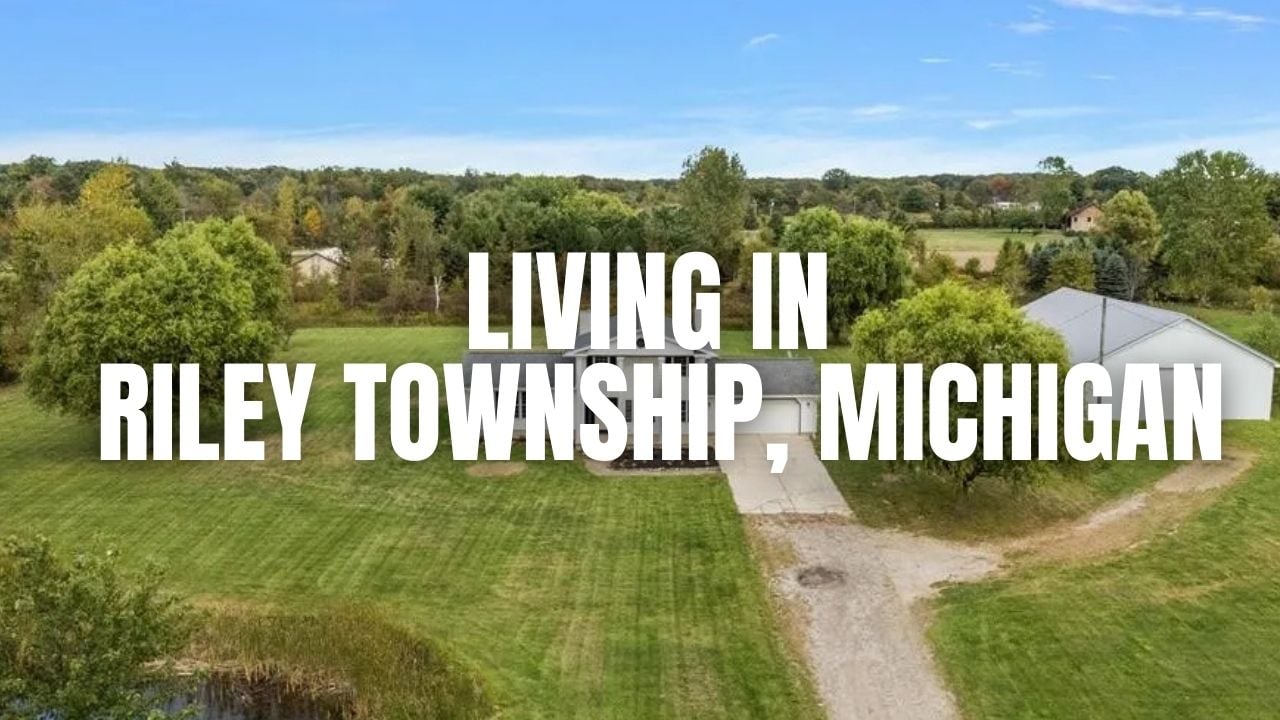
Located in St. Clair County, Riley Township offers a rural setting with open land, agricultural landscapes, and low-density neighborhoods. People often consider living here because of the larger property sizes and the opportunity to enjoy a slower-paced environment while still staying connected to nearby cities.
That said, rural townships come with different expectations compared to suburban communities. In this guide, we’ll walk through what it’s like to live in Riley Township — including cost of living, real estate, schools, property taxes, commuting, and lifestyle.
Cost of Living in Riley Township, Michigan
Cost of living in Riley Township is typically influenced by housing costs and transportation needs.
According to U.S. Census Bureau housing data, many properties in the township consist of owner-occupied homes on larger parcels of land. This often means property prices vary widely depending on acreage and home size.
BestPlaces.net indicates that rural communities in St. Clair County generally maintain a cost of living near or slightly below the national average.
Utilities and transportation costs are similar to regional norms reported by the Bureau of Labor Statistics for the Midwest region.
Because many homes sit on larger lots, maintenance costs such as landscaping, well systems, or septic systems may apply depending on the property type.
Real Estate & Housing Overview
The housing market in Riley Township reflects its rural character.
According to U.S. Census Bureau housing statistics:
Many homes were built between the 1970s and early 2000s
Owner-occupied homes make up the majority of housing
Properties often include larger lot sizes compared to suburban neighborhoods
Common property types include:
Ranch-style homes on acreage
Farmhouses or country homes
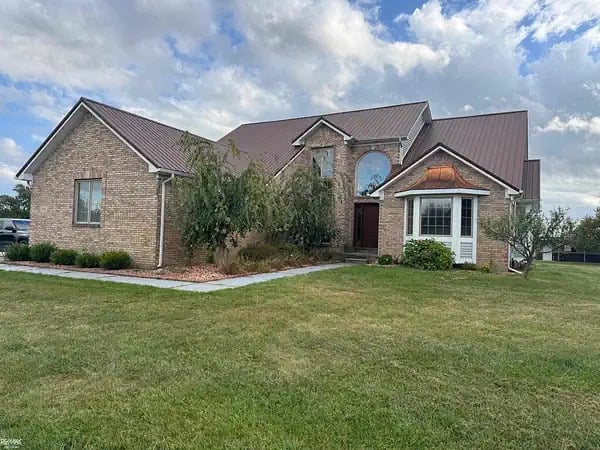
Custom-built homes on rural lots
New construction occurs occasionally, typically as individual custom builds rather than large subdivision developments.
MLS data for St. Clair County shows that rural properties tend to have wider price ranges because land size significantly influences value.




Living in Shelby Township Michigan: The Overlooked Metro …
Shelby Township Michigan in Macomb County sits…
Rochester Hills Michigan Homes Under $400K: What Buyers …
Wondering what $400K buys in Rochester Hills…
Living in Clinton Township Michigan: What You NEED …
Thinking about moving to Clinton Township Michigan?…