
Introduction
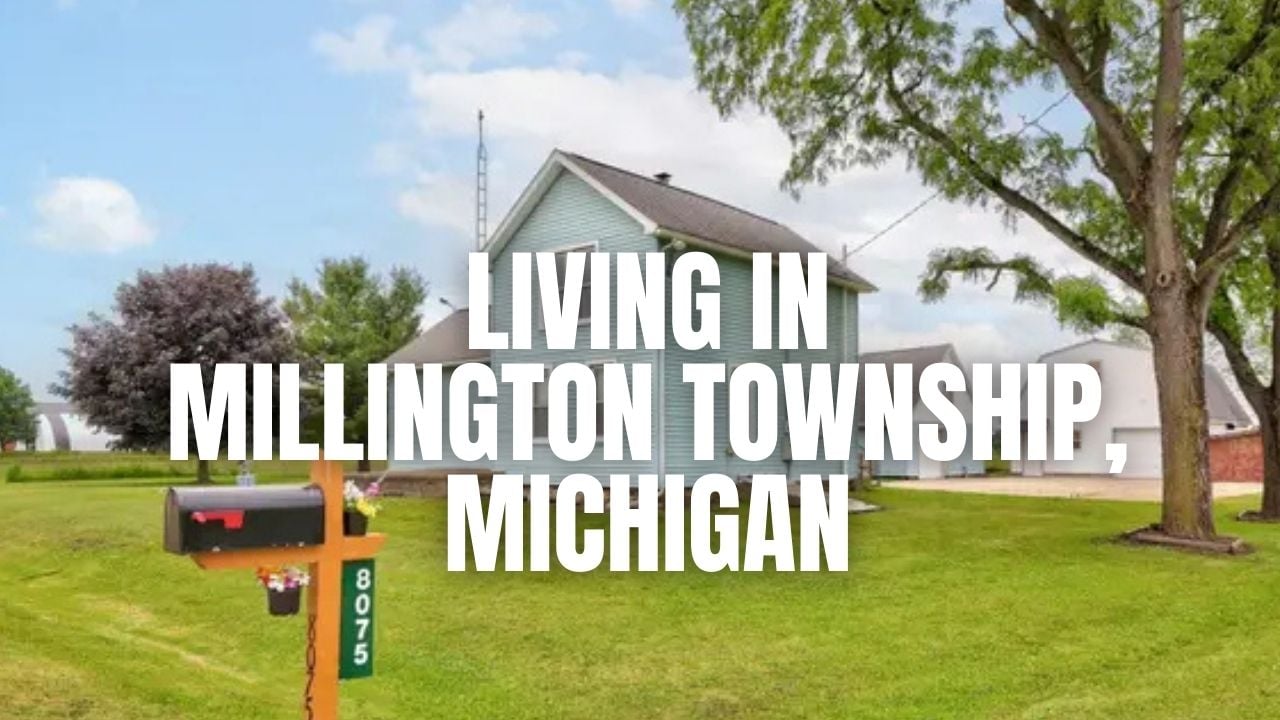
For those looking for open space, rural surroundings, and a quieter pace of life, Millington Township, Michigan often appears on the radar.
Located in Tuscola County in Michigan’s Thumb region, this township offers agricultural landscapes, spacious properties, and a small community atmosphere. Some people are drawn to the area for its lower population density and larger lot sizes compared with urban or suburban settings.
In this guide, we’ll take a realistic look at what living in Millington Township involves — including housing, cost of living, schools, property taxes, and everyday lifestyle considerations.
Cost of Living in Millington Township, Michigan
Cost of living in Millington Township is generally lower than many urban areas in Michigan.
According to U.S. Census Bureau housing data, median home values in Tuscola County tend to fall below Michigan’s statewide median. Niche.com also reports relatively affordable housing costs compared with many suburban communities.
BestPlaces.net indicates that overall living costs in this region of Michigan are below the national average.
Utilities and transportation costs are generally consistent with broader Midwest averages, based on data from the Bureau of Labor Statistics.
Because many homes sit on larger parcels of land, maintenance costs can vary depending on property size and features such as wells, septic systems, or outbuildings.
Real Estate & Housing Overview
Housing in Millington Township is dominated by rural and semi-rural residential properties.
According to U.S. Census Bureau housing statistics:
Many homes were built between the 1960s and early 2000s
Owner-occupied housing makes up the majority of properties
Lot sizes are typically larger than suburban neighborhoods
Common property types include:
Ranch-style homes
Farmhouses and rural homesteads
Manufactured homes on private land
Custom-built homes on acreage
New construction does occur but generally at a slower pace compared with high-growth suburban areas in Southeast Michigan.
Local MLS data typically shows smaller inventory levels due to the township’s lower population density and larger property parcels.




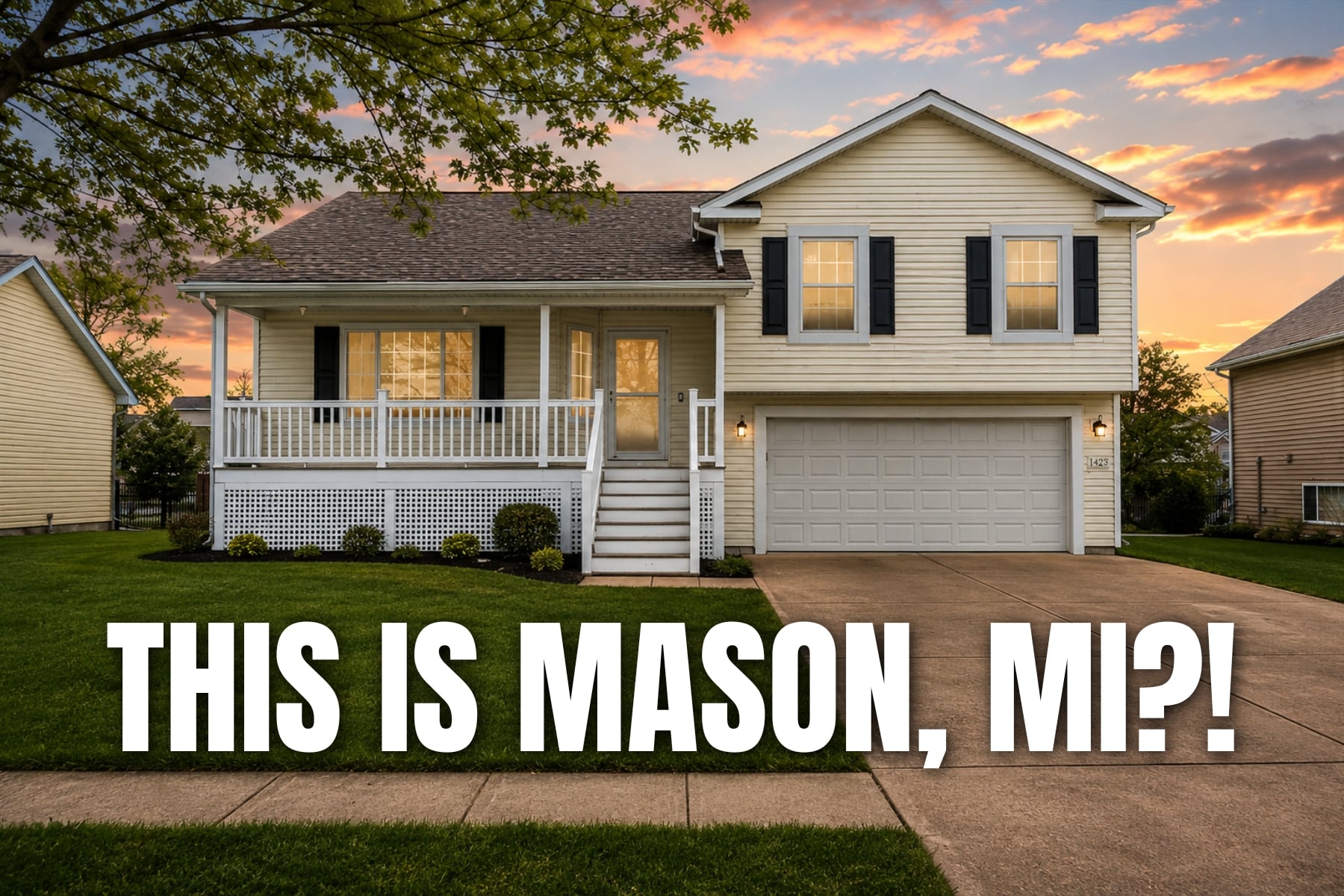
A Neighborhood Lifestyle Just Minutes From Downtown Mason …
Discover 422 Coventry Lane in Mason, Michigan,…
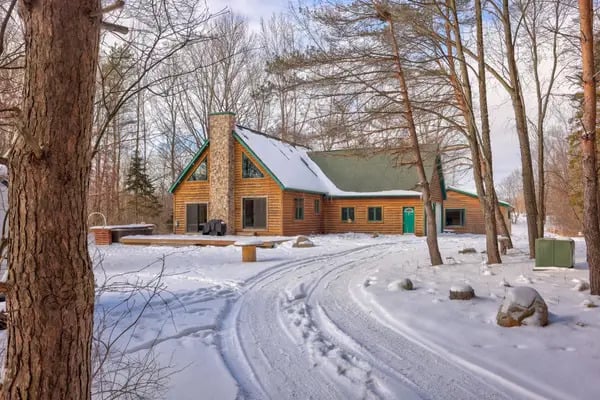
Inside One of Clarkston Michigan’s Most Relaxing Homes …
Tour 6692 Balmoral Terrace, a fully remodeled…