Introduction
If you’re searching for wide-open space and a slower pace of life in Michigan, Wisner Township might appear on your radar.
Located in Tuscola County in Michigan’s Thumb region, Wisner Township is a rural community surrounded by farmland and agricultural landscapes. People exploring this area often value privacy, larger properties, and distance from high-density urban development.
At the same time, living in a rural township comes with different lifestyle considerations compared to suburban communities. Let’s take an honest look at housing, cost of living, schools, property taxes, and daily life in Wisner Township, Michigan.
Cost of Living in Wisner Township, Michigan
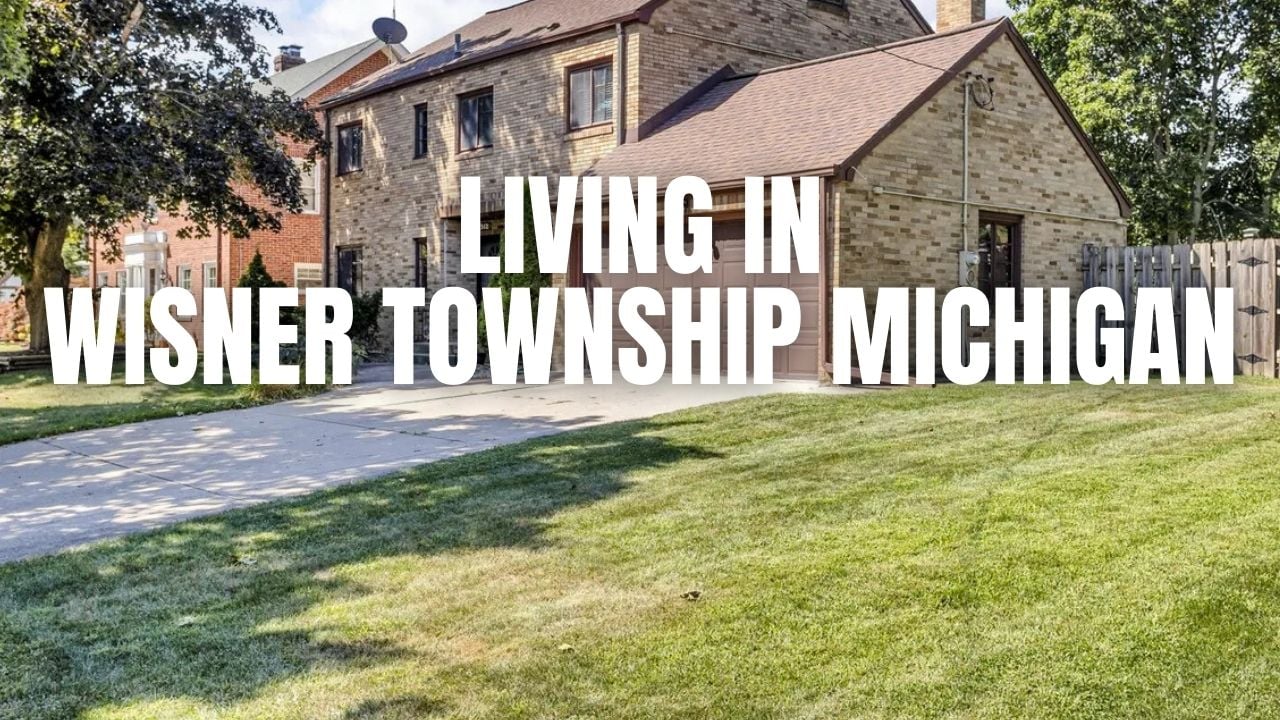
The cost of living in Wisner Township generally reflects the rural nature of the community.
Housing prices tend to be lower than statewide averages. According to U.S. Census Bureau housing data, rural townships in Tuscola County typically have lower median home values compared with many Michigan urban or suburban markets.
BestPlaces.net also reports that many communities in the Thumb region have a cost of living below the national average, largely due to lower housing costs.
Utilities and transportation expenses generally follow typical Midwest trends. According to the Bureau of Labor Statistics, utility and fuel costs in rural areas can vary depending on property size and heating systems.
Because services and retail are spread out geographically, residents should expect regular driving for groceries, shopping, and other daily needs.
Real Estate & Housing Overview
Housing in Wisner Township reflects the agricultural character of the region.
According to U.S. Census Bureau housing age data, many homes in Tuscola County were built between the 1940s and 1980s, though older farmhouses also exist throughout the area.
Common property types include:
Farmhouses on multi-acre parcels
Ranch-style homes on country lots
Rural residential homes with barns or outbuildings
Agricultural land with residential structures
Lot sizes are typically larger than suburban properties, often ranging from several acres to working farmland.
Large-scale new housing developments are limited because the township is primarily agricultural land. When new homes are built, they are usually individual custom builds rather than subdivision developments.
Local MLS listings typically show lower inventory levels compared with suburban markets due to the smaller population base.




Michigan's FASTEST Growing Towns Are Losing Value (Here's …
Michigan is growing, but home prices are…
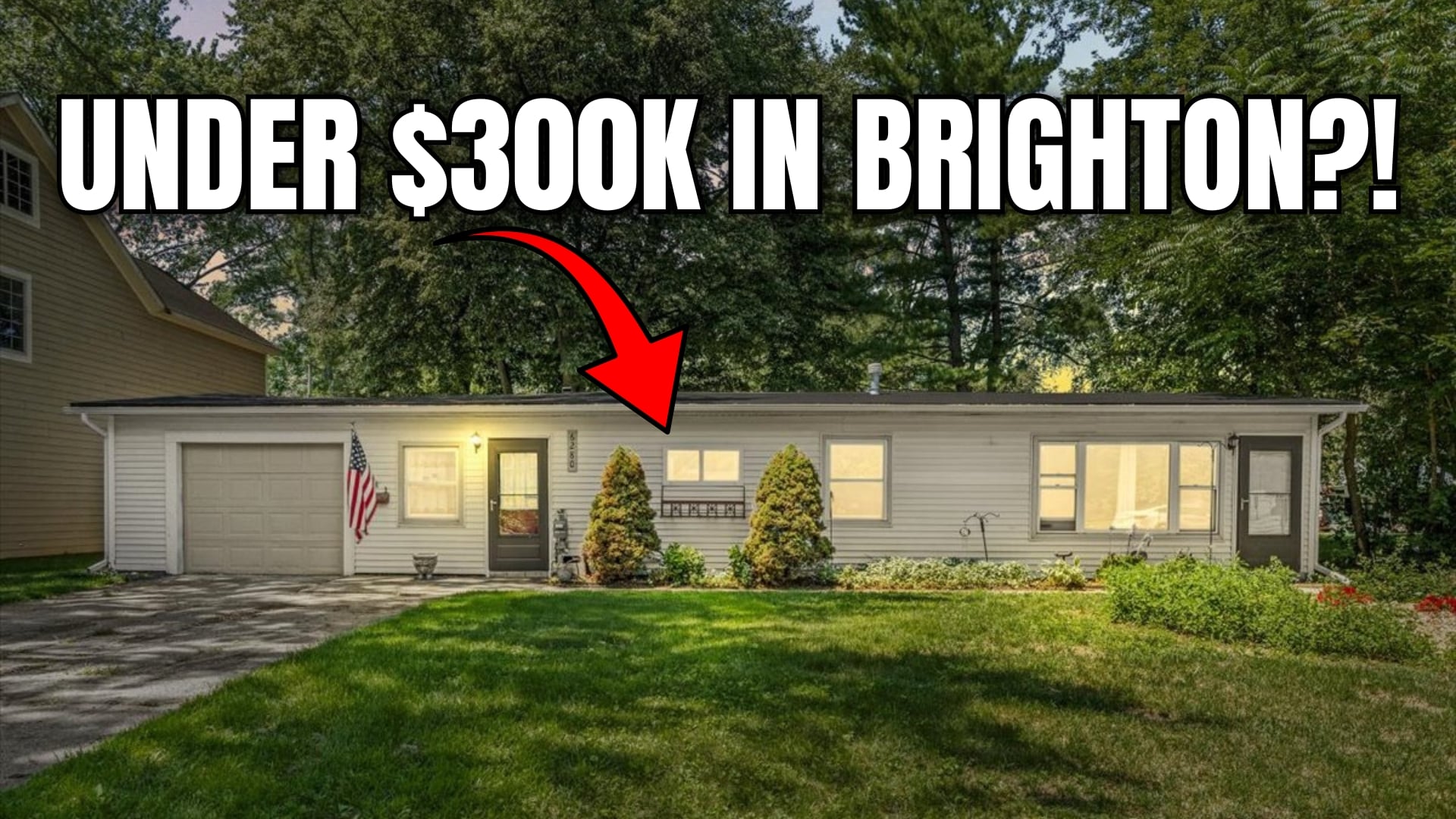
The Most Connected Home in Brighton, Michigan | …
6280 Beth Rd, Brighton, MI: move-in-ready 3-bed,…