
Introduction
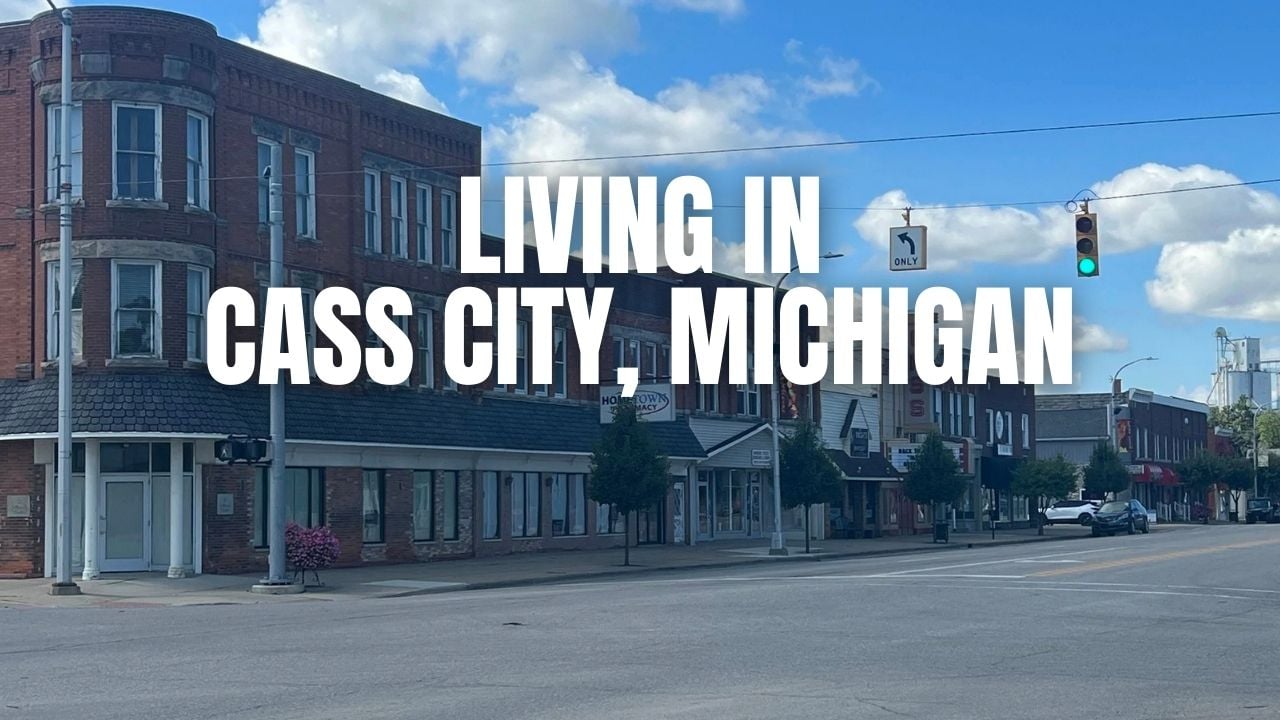
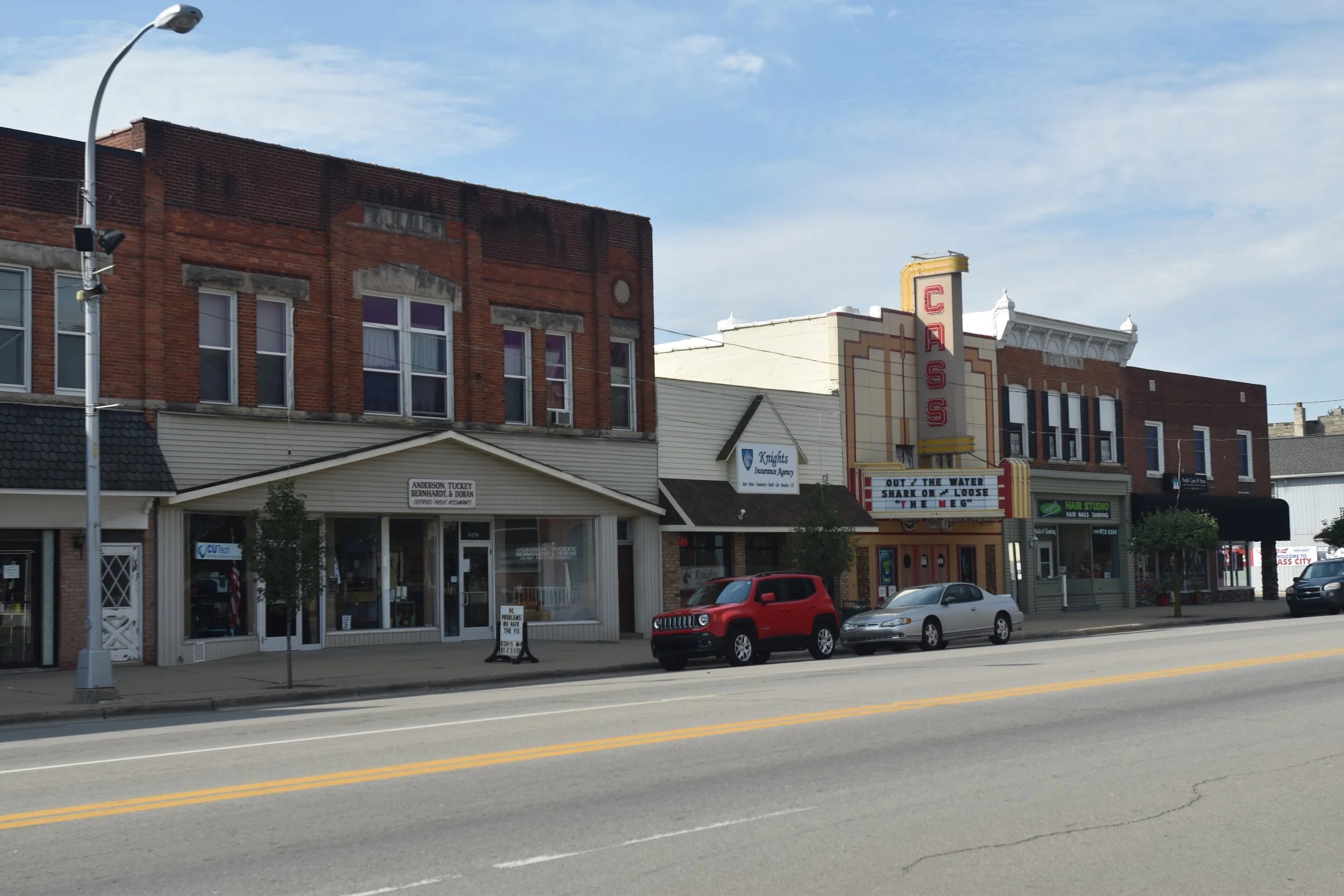
If you’re exploring smaller Michigan communities where life moves at a slightly slower pace, Cass City, Michigan might come up during your search.
Located in Tuscola County in the Thumb region of the state, Cass City is a village known for its agricultural surroundings, established neighborhoods, and tight-knit local atmosphere. People often consider living here because it offers a quieter setting compared to larger cities, while still providing access to daily amenities.
In this relocation guide, we’ll take a realistic look at what living in Cass City involves — including housing, cost of living, property taxes, schools, and everyday lifestyle considerations.
Cost of Living in Cass City, Michigan
One reason people consider Cass City is its relatively modest cost of living compared to larger Michigan metro areas.
According to U.S. Census Bureau data, median home values in Cass City are significantly lower than many cities in Southeast Michigan. Niche.com also reports that housing affordability is one of the village’s more notable advantages.
BestPlaces.net indicates that Cass City’s cost-of-living index is below the national average.
Utility and transportation costs are generally consistent with Midwest averages, according to data from the Bureau of Labor Statistics.
However, availability of housing inventory can vary due to the smaller size of the local market.
Real Estate & Housing Overview
Cass City’s housing market primarily consists of established homes built during the mid-20th century.
According to U.S. Census Bureau housing data:
Many homes were constructed between the 1940s and 1980s
Owner-occupied housing represents a large portion of the local housing stock
Lot sizes are typically larger than those found in denser suburban communities
Common home styles include:
Traditional two-story homes
Ranch-style houses
Older farmhouses on larger parcels outside the village center
New construction activity exists but is relatively limited compared with fast-growing suburban markets. Local MLS data typically shows a smaller number of listings available at any given time.
As with many rural housing markets, home availability may fluctuate based on inventory and seasonal listing patterns.





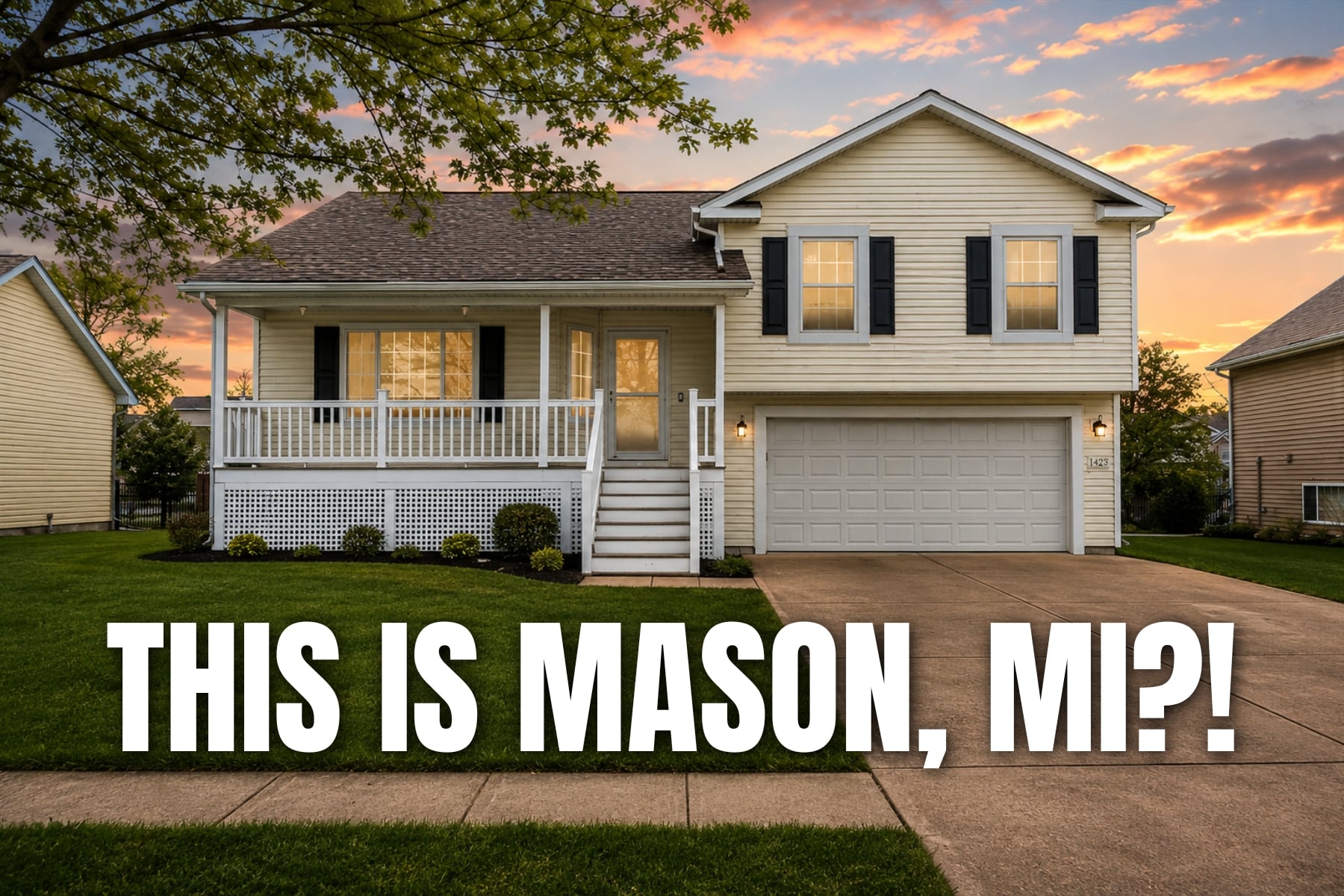
A Neighborhood Lifestyle Just Minutes From Downtown Mason …
Discover 422 Coventry Lane in Mason, Michigan,…
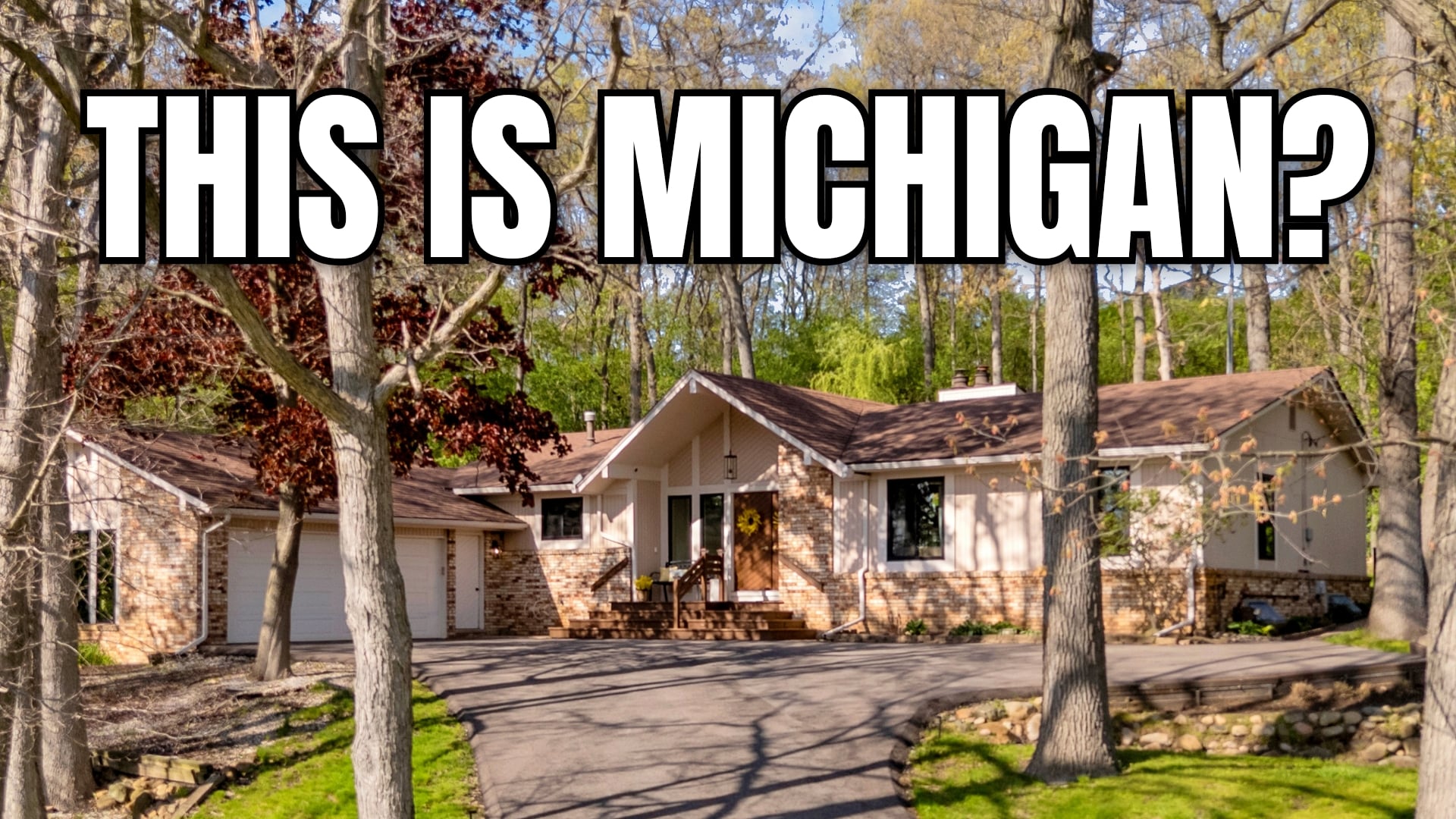
Inside One of Clarkston Michigan’s Most Relaxing Homes …
Tour 6692 Balmoral Terrace, a fully remodeled…