Introduction
If you’re considering a move to Southwest Michigan, Coloma, Michigan is one of those smaller communities that people often discover when exploring areas near Lake Michigan.
Located in Berrien County, Coloma combines small-town living with proximity to lakes, orchards, and outdoor recreation. Some people are drawn to the area for the quieter pace and access to nearby beaches, while others appreciate its location between larger regional hubs like Benton Harbor and South Haven.
Before deciding whether Coloma fits your lifestyle goals, it helps to understand the cost of living, housing options, schools, and everyday amenities available in the community.
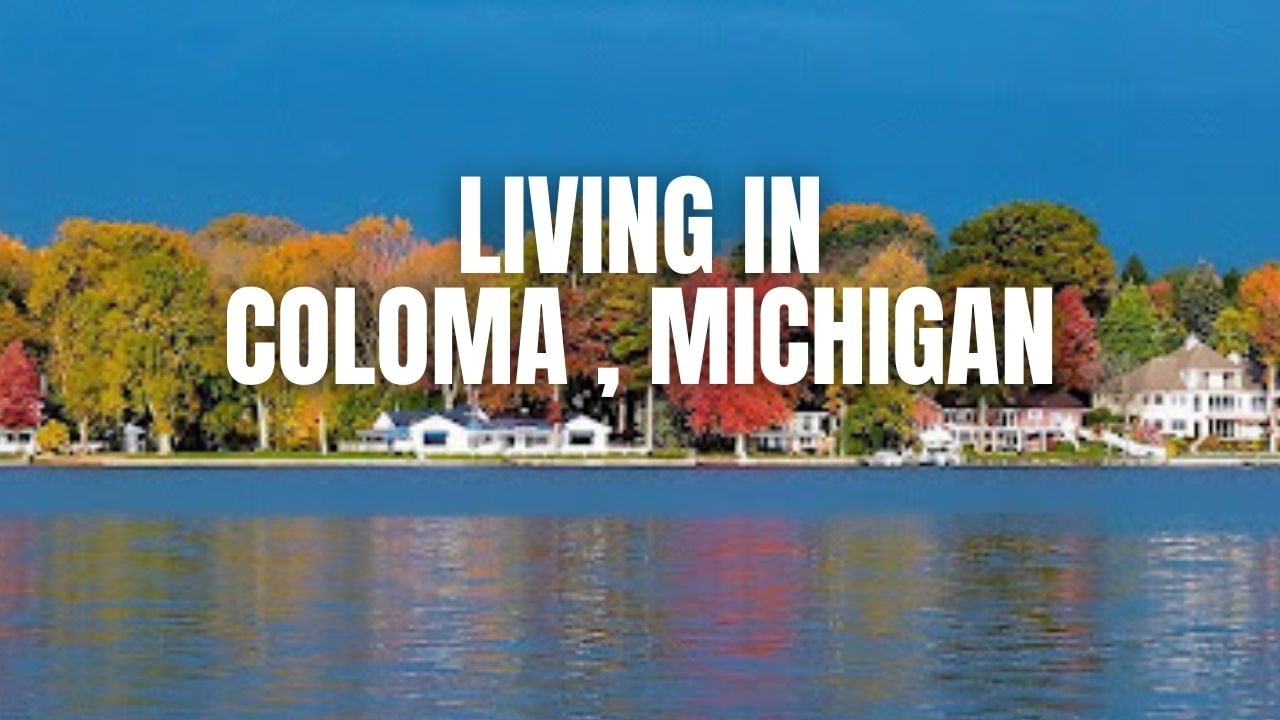
Cost of Living in Coloma, Michigan
Cost of living in Coloma is generally moderate compared with many parts of Michigan.
According to the U.S. Census Bureau, median home values in Coloma are typically below statewide averages. Niche.com also reports that housing affordability is one of the more accessible aspects of the local cost structure.
BestPlaces.net indicates that the overall cost of living in the Coloma area tends to fall slightly below the national average.
Utilities and transportation costs are generally similar to statewide averages based on regional data from the Bureau of Labor Statistics.
As with any location, actual living expenses will vary depending on housing choice, commuting distance, and individual spending habits.
Real Estate & Housing Overview
Coloma’s housing market consists mostly of established homes with a mix of rural and suburban characteristics.
According to U.S. Census Bureau housing data:
Many homes were built between the 1950s and 1990s
Owner-occupied housing makes up a large portion of the market
Properties outside the downtown area may include larger lots or semi-rural settings
Common housing styles in the area include:
Ranch-style homes
Traditional two-story homes
Lakefront or lake-access properties near Paw Paw Lake
Paw Paw Lake is one of the most notable housing features in the region, with waterfront homes occasionally appearing in the market.
New construction exists in limited pockets but is not as widespread as in rapidly expanding suburban areas.
Local MLS data generally shows steady housing activity influenced by lake access, seasonal demand, and regional inventory levels.



Living in Washington Township Michigan: Homes, Cost, Schools, …
Thinking about moving to Washington Township, Michigan?…
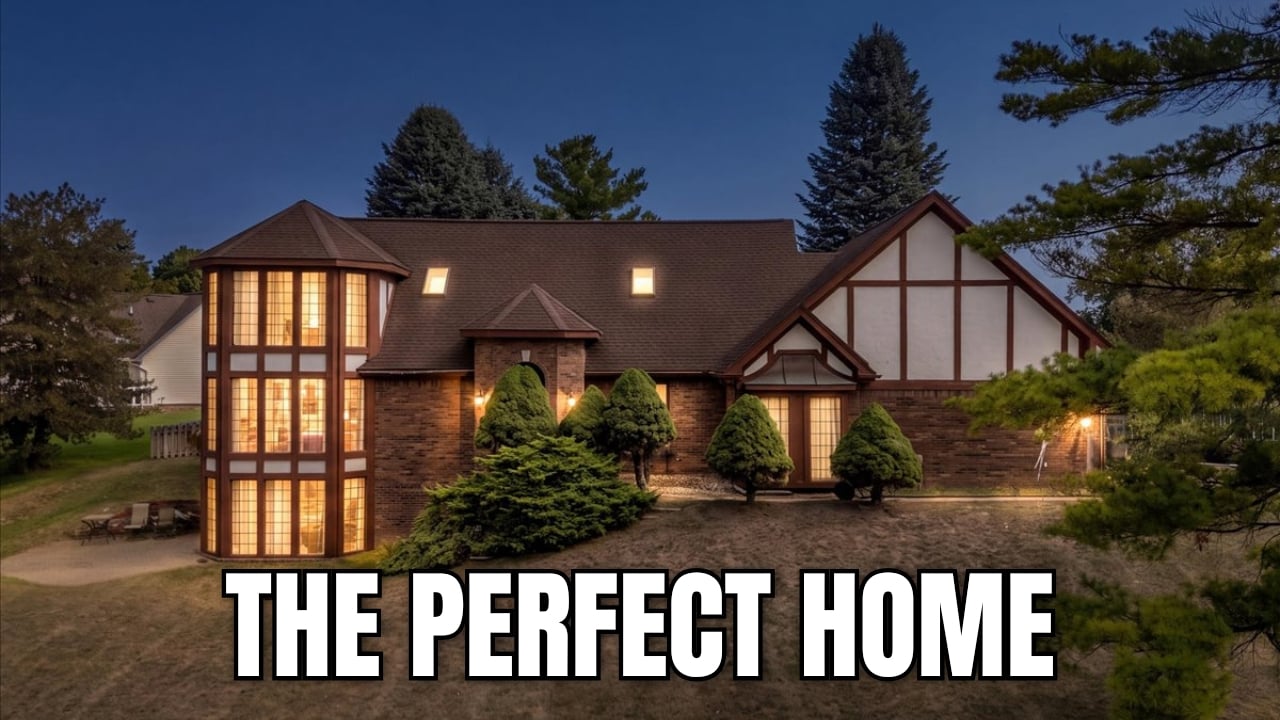
A Backyard Pool Retreat in Green Oak Township …
Explore 9925 Timothy Lane in Green Oak…