
Introduction
If you’re exploring places in Southwest Michigan where homes come with more space and a quieter pace, Bertrand Township, Michigan may come up during your search.
Located in Berrien County near the Indiana state line, Bertrand Township offers a rural environment with easy access to nearby cities like Niles and South Bend. Many people are drawn to the area for its open landscapes, lower housing density, and proximity to regional employment hubs.
That said, township living is different from living in a larger city. In this guide, we’ll walk through what to realistically expect when it comes to housing, cost of living, schools, property taxes, and lifestyle in Bertrand Township.
Cost of Living in Bertrand Township, Michigan
Cost of living in Bertrand Township generally aligns with other rural communities in Berrien County.
According to U.S. Census Bureau housing data, home values in the township are typically lower than many urban areas in Michigan. Niche.com also reports that housing affordability is one of the more attractive aspects of living in the region.
BestPlaces.net indicates that overall living costs in Berrien County tend to be below the national average, particularly when it comes to housing expenses.
Utilities and transportation costs tend to follow Midwest regional averages, according to data from the Bureau of Labor Statistics.
Because the township is largely residential and rural, commuting costs can vary depending on where residents work.
Real Estate & Housing Overview
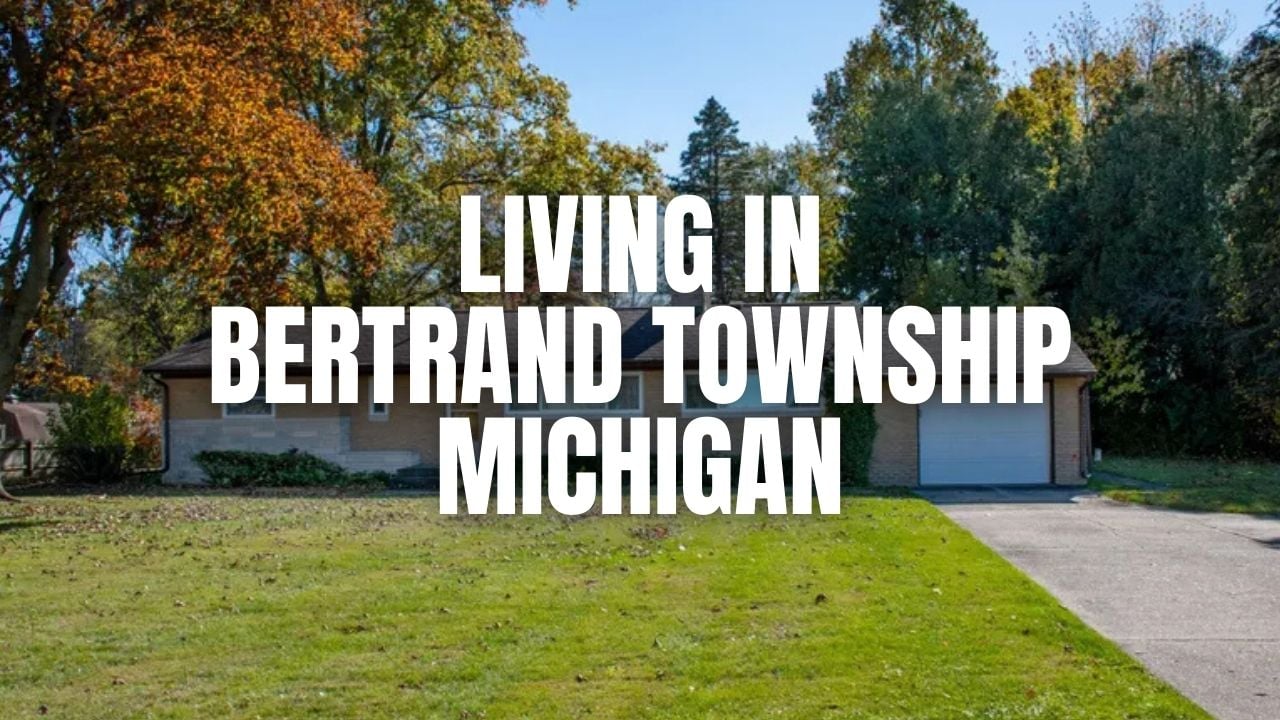
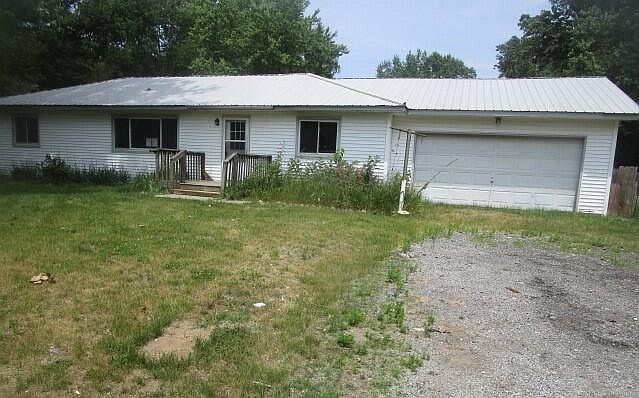
Housing in Bertrand Township reflects the area’s rural character.
According to U.S. Census Bureau housing data:
Many homes were built between the 1970s and early 2000s
Owner-occupied housing makes up the majority of properties
Residential parcels often include larger lots than typical suburban neighborhoods
Common housing types include:
Ranch-style homes
Farmhouses and country homes
Newer single-family homes on multi-acre parcels
Occasional agricultural properties
New construction activity occurs periodically but at a relatively modest pace compared to suburban development areas.
Local MLS listings typically show a mix of existing homes and properties with larger land parcels, reflecting the township’s lower density development pattern.




Michigan's FASTEST Growing Towns Are Losing Value (Here's …
Michigan is growing, but home prices are…
The Most Connected Home in Brighton, Michigan | …
6280 Beth Rd, Brighton, MI: move-in-ready 3-bed,…