
Introduction
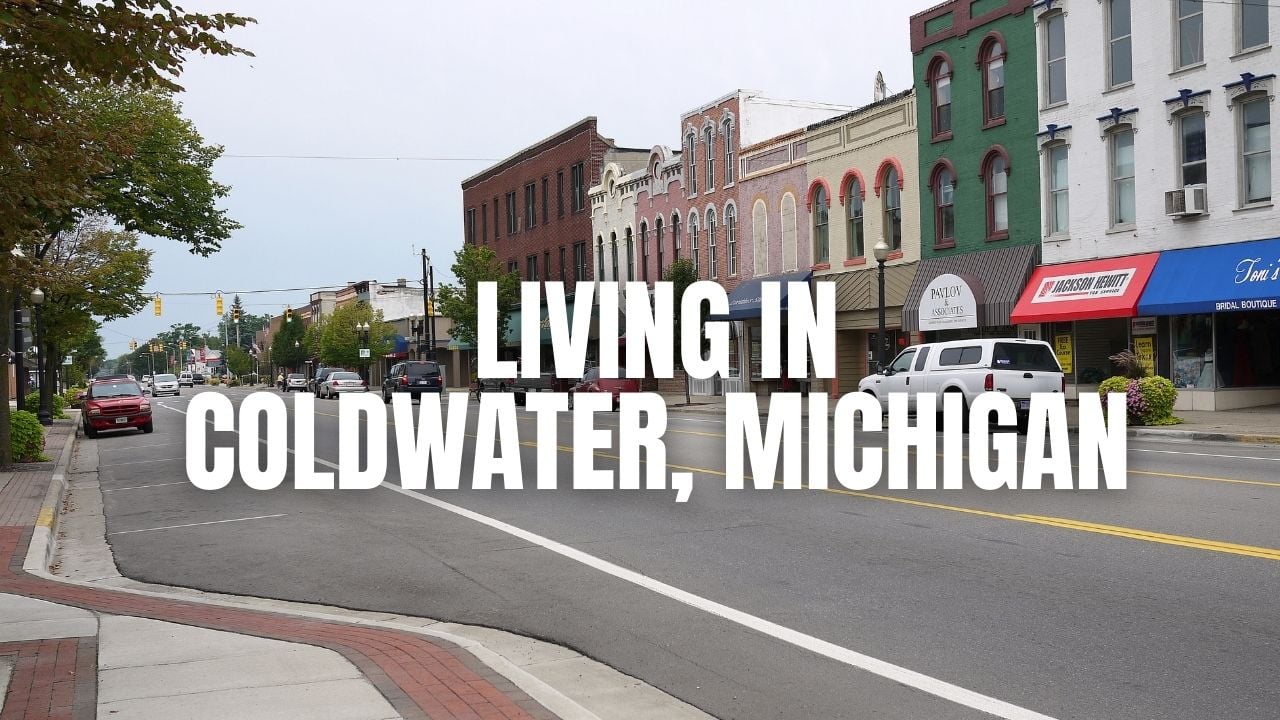
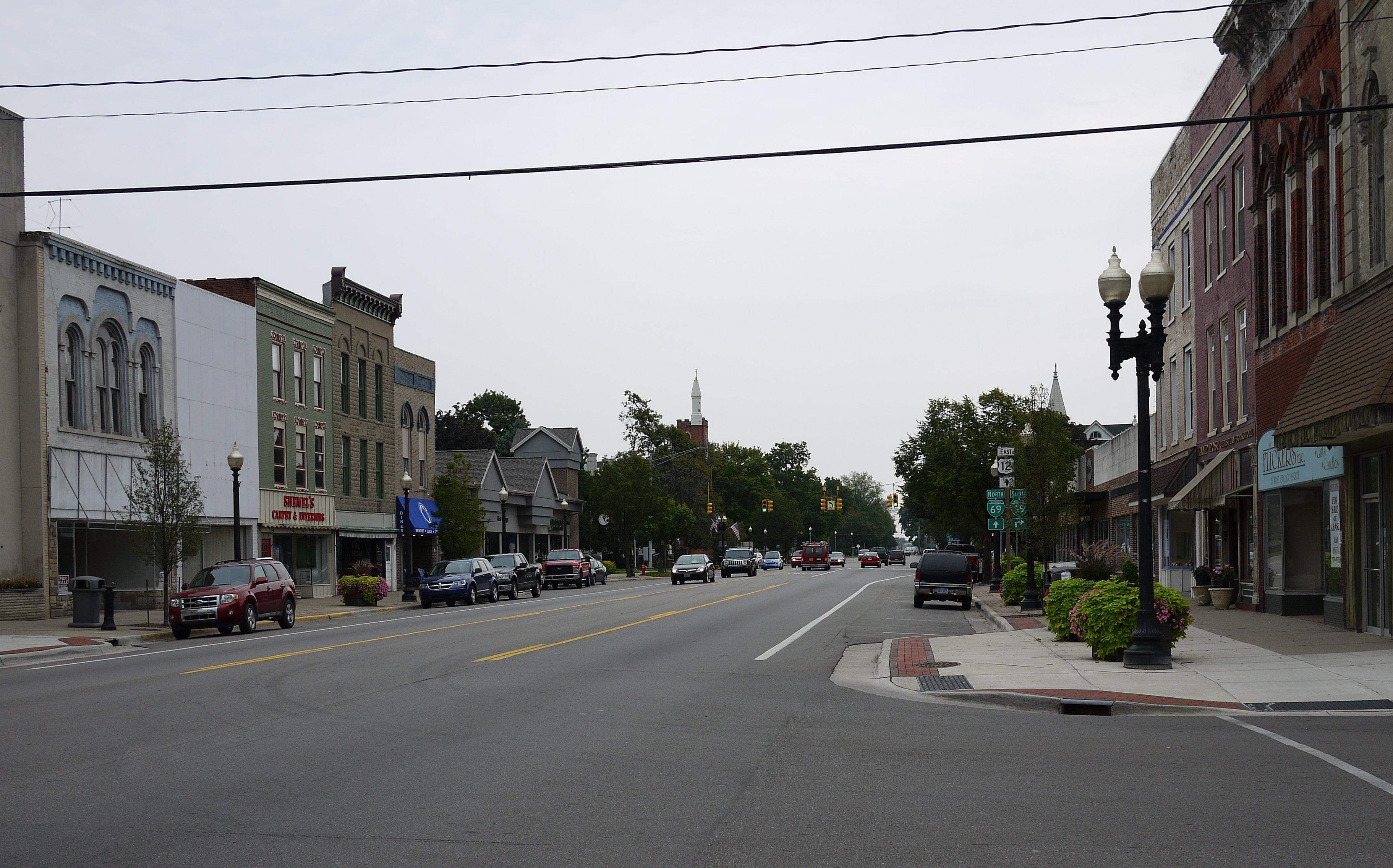
If you enjoy historic downtowns, easy access to lakes, and a smaller-city pace of life, Coldwater, Michigan might be on your radar.
Located in Branch County in the southern part of the state, Coldwater blends historic charm with everyday convenience. Many people discover the area while searching for affordable housing options, lake access, or communities that offer a quieter setting than larger cities.
Of course, every community has its trade-offs. In this guide, we’ll walk through what living in Coldwater actually looks like — including cost of living, housing, property taxes, schools, and lifestyle factors — so you can decide if it fits what you’re looking for.
Cost of Living in Coldwater, Michigan
One reason people consider Coldwater is affordability.
According to U.S. Census Bureau data, median home values in Coldwater are generally below the statewide median for Michigan. Niche.com also notes that housing costs are one of the more affordable aspects of living in the city.
BestPlaces.net reports that the overall cost of living in Coldwater tends to be lower than the national average.
Utilities and transportation expenses generally align with broader Midwest averages based on data from the Bureau of Labor Statistics.
As with any location, exact expenses will depend on housing choices, commuting patterns, and personal lifestyle.
Real Estate & Housing Overview
Coldwater offers a diverse mix of housing styles reflecting different periods of development.
According to U.S. Census Bureau housing data:
A large portion of homes were built before 1970
Owner-occupied homes make up the majority of housing units
Lot sizes tend to be larger than in dense urban areas
Common home styles in Coldwater include:
Historic Victorian and early 20th-century homes near downtown
Ranch-style homes built during mid-century suburban expansion
Two-story traditional homes in established neighborhoods
The region also includes numerous lakefront properties around nearby lakes such as Coldwater Lake and Marble Lake, according to the Michigan Department of Natural Resources.
New construction exists but occurs at a moderate pace compared with rapidly growing metropolitan suburbs.
Local MLS activity typically reflects steady market movement with prices influenced by location, lake access, and inventory levels.



Is Lyon Township Michigan Worth It? Home Prices, …
Thinking about living in Lyon Township, Michigan?…

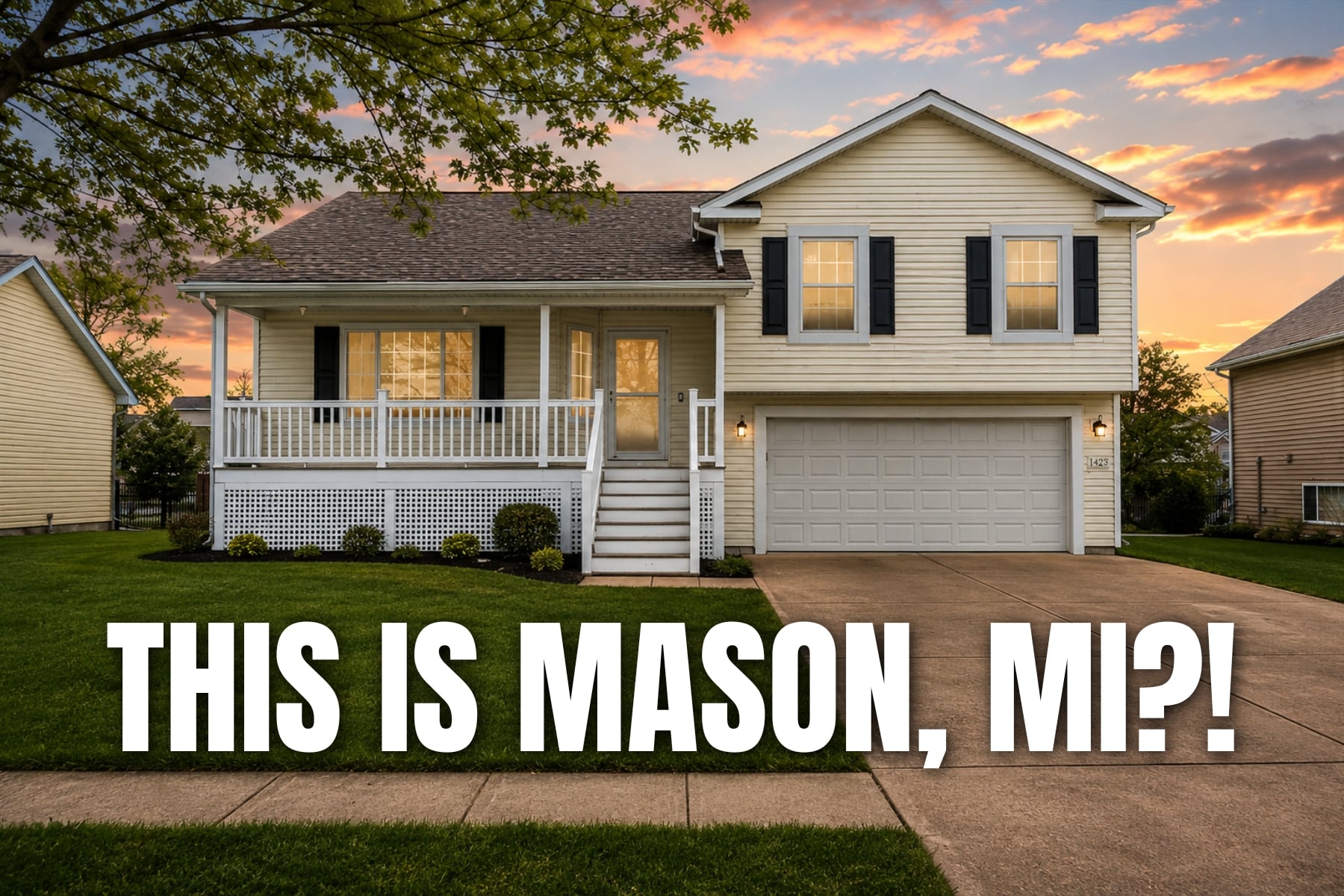
A Neighborhood Lifestyle Just Minutes From Downtown Mason …
Discover 422 Coventry Lane in Mason, Michigan,…