
Introduction
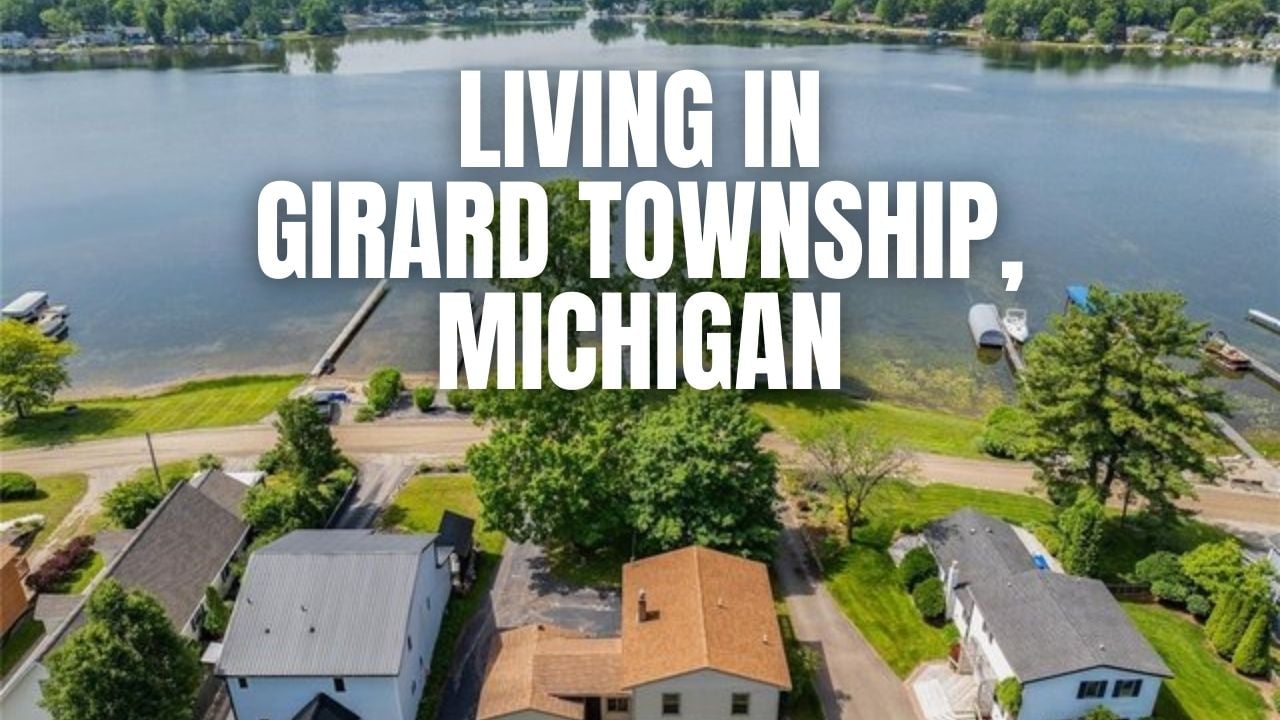
If you’re exploring quieter parts of southern Michigan where open space and rural surroundings are part of everyday life, Girard Township, Michigan might catch your attention.
Located in Branch County near the city of Coldwater, Girard Township offers a slower pace compared to larger urban areas. Many people consider living here because of the rural setting, proximity to lakes, and convenient access to nearby services in Coldwater.
This practical guide walks through what it’s like to live in Girard Township — including cost of living, housing, schools, property taxes, and local lifestyle — so you can decide if the area aligns with your relocation goals.
Cost of Living in Girard Township, Michigan
Cost of living in Girard Township is generally aligned with other rural communities in southern Michigan.
According to the U.S. Census Bureau, housing costs in Branch County tend to be below the statewide median, which can make homeownership more accessible compared with some larger Michigan metro areas.
BestPlaces.net reports that overall living costs in Branch County are below the national average. Housing is typically the largest contributor to that difference.
Utilities and transportation costs are generally similar to other Midwestern communities, based on regional consumer expenditure data from the Bureau of Labor Statistics.
Because the township is rural, commuting costs may vary depending on how often residents travel to nearby cities such as Coldwater or Battle Creek for work or services.
Real Estate & Housing Overview
Housing in Girard Township reflects its rural character.
According to U.S. Census Bureau housing data, much of the housing stock in Branch County consists of single-family homes on larger parcels of land compared to denser suburban areas.
Common housing characteristics include:
Ranch-style homes
Farmhouses and rural properties
Manufactured homes on acreage
Detached single-family homes with larger lot sizes
Many properties include several acres of land, which is typical for rural townships in southern Michigan.
New construction exists but occurs at a smaller scale compared with fast-growing suburban areas. According to regional MLS trends, housing supply in rural townships tends to be limited simply because development occurs more slowly.
Buyers looking in the area often prioritize land size, privacy, and proximity to nearby lakes.
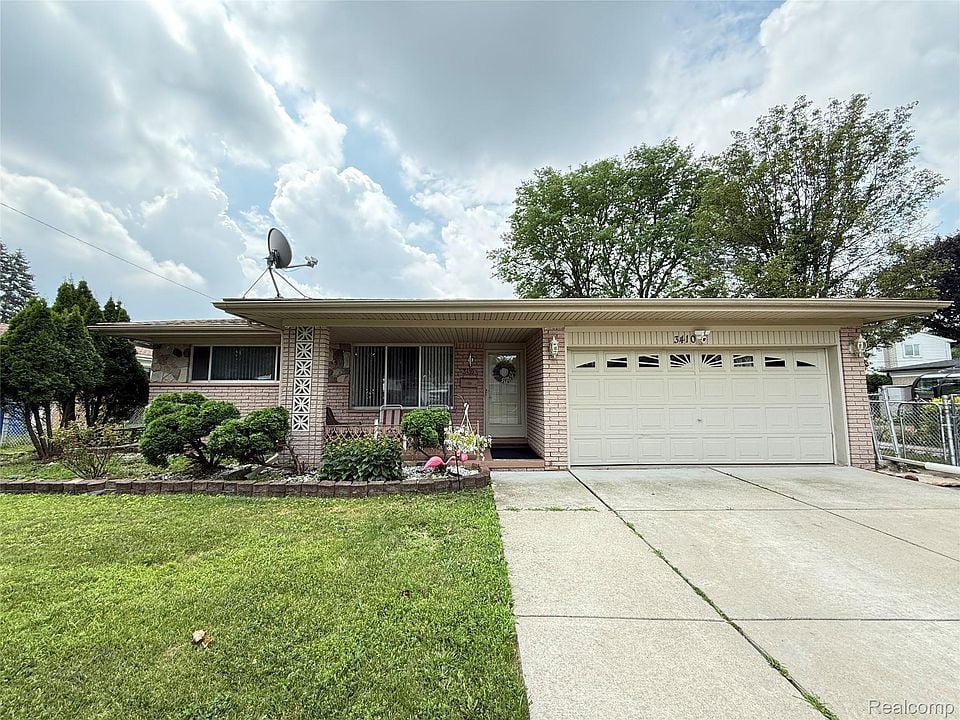





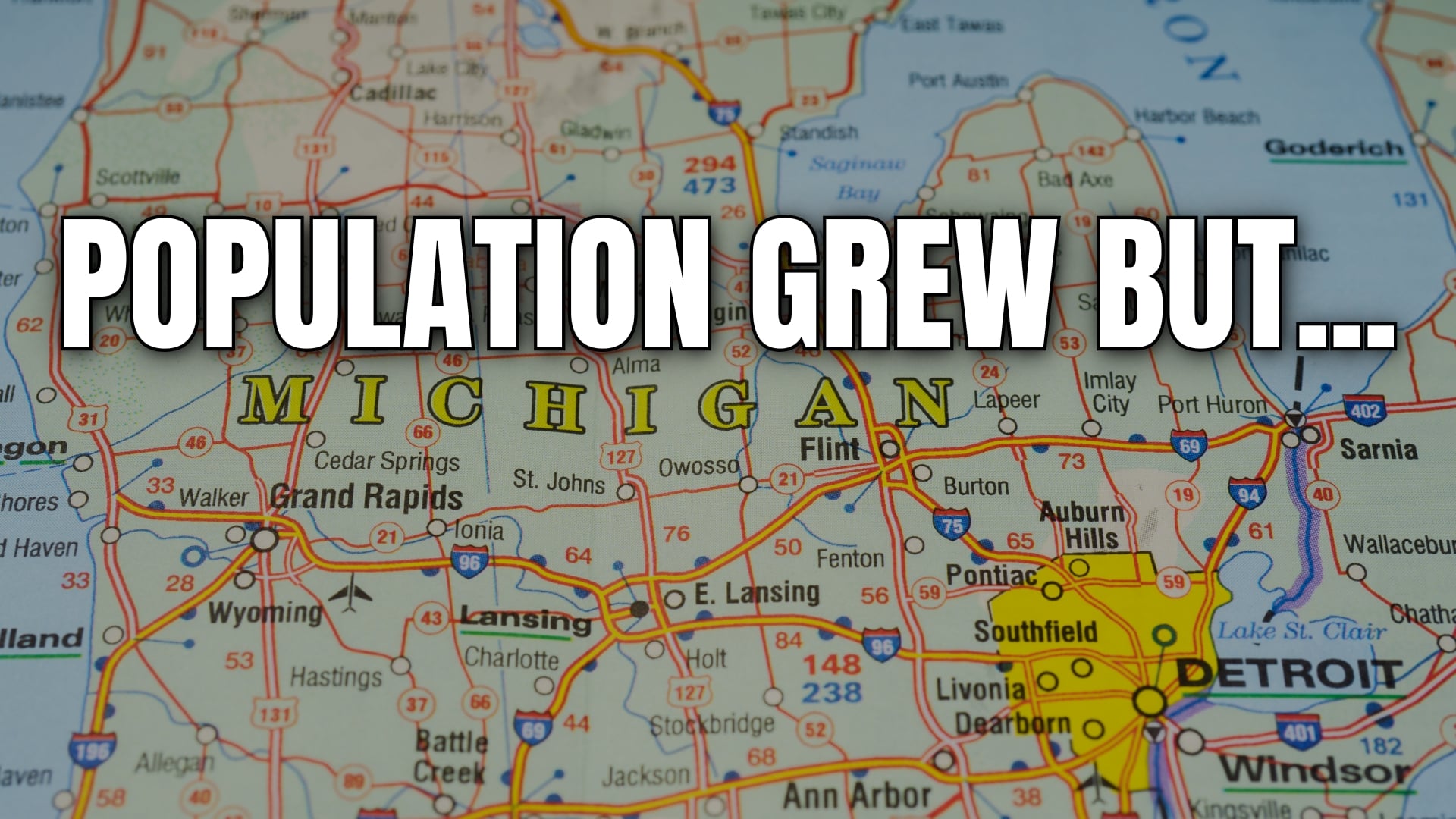
Michigan's FASTEST Growing Towns Are Losing Value (Here's …
Michigan is growing, but home prices are…
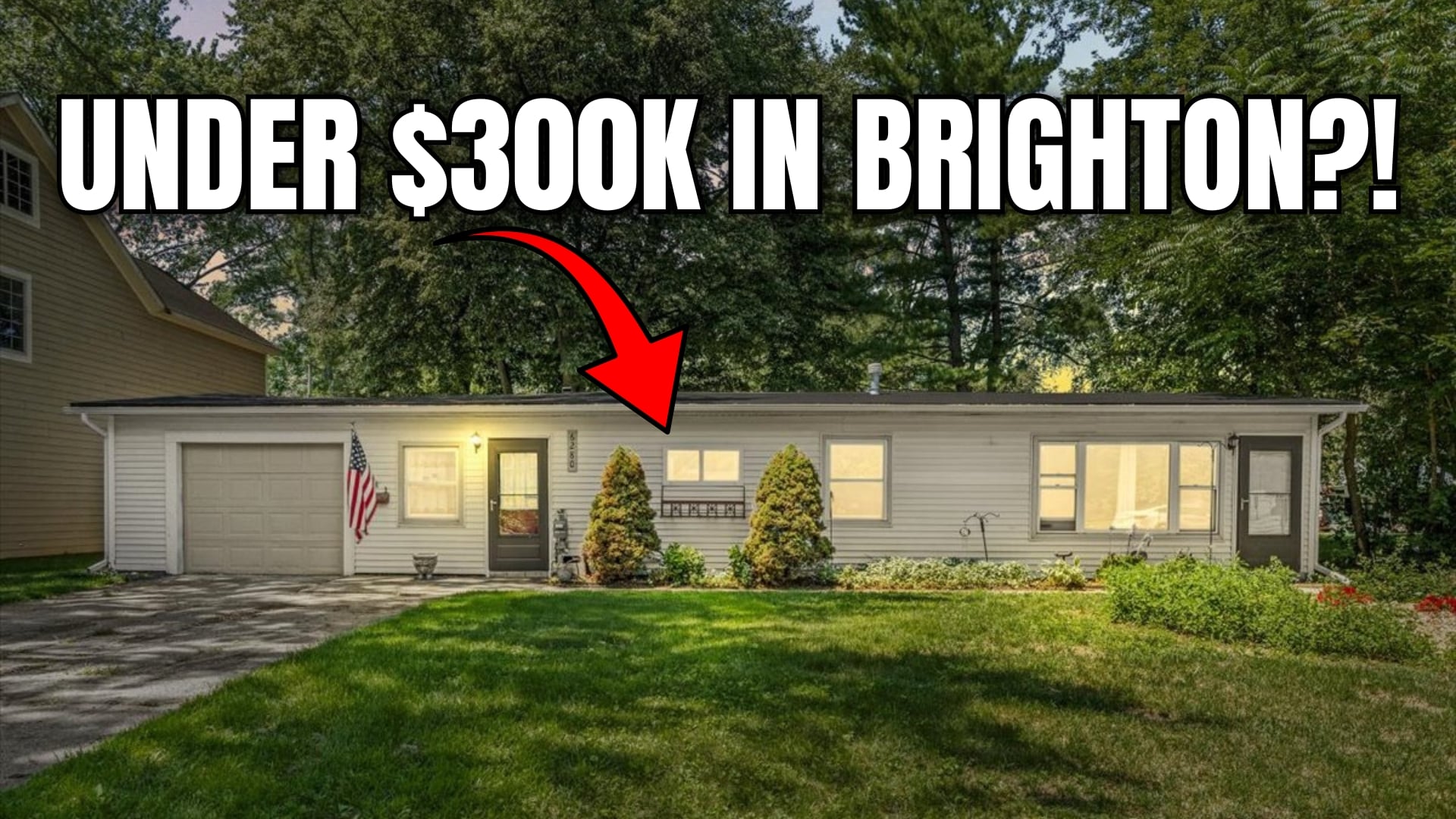
The Most Connected Home in Brighton, Michigan | …
6280 Beth Rd, Brighton, MI: move-in-ready 3-bed,…