Introduction
If you're exploring quieter parts of Michigan where open space and rural living take center stage, Matteson Township might catch your attention.
Located in Branch County in the south-central portion of the state, Matteson Township offers a slower-paced lifestyle compared to Michigan’s larger cities. Residents often appreciate the agricultural landscape, lower population density, and proximity to nearby communities like Coldwater for shopping, dining, and services.
Like many rural townships across Michigan, Matteson Township appeals to people looking for space, privacy, and a connection to the outdoors. In this guide, we’ll walk through what to expect when it comes to housing, cost of living, schools, lifestyle, and property taxes in Matteson Township, Michigan.
Cost of Living in Matteson Township, Michigan
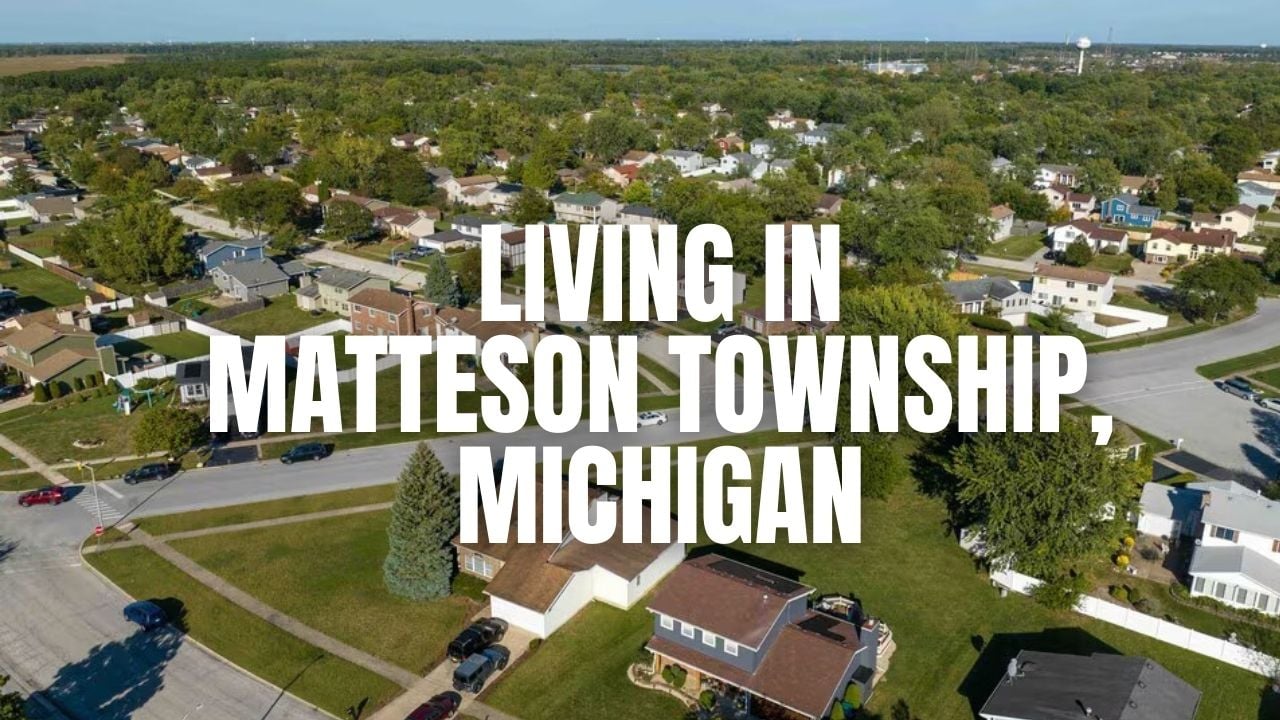
The cost of living in Matteson Township is generally influenced by its rural setting and housing availability.
According to data from the U.S. Census Bureau and BestPlaces.net, housing costs in Branch County tend to be lower than the statewide average. This reflects the area’s lower population density and more limited urban development.
Typical household expenses include:
Housing costs that are often below Michigan’s statewide averages
Utilities consistent with rural Midwest pricing patterns, according to the Bureau of Labor Statistics regional data
Transportation costs that may be higher depending on commute distances
Niche.com also notes that rural areas in Michigan frequently have lower median home values compared to larger metro regions.
However, individual costs will vary depending on the type of property purchased, acreage size, and commuting patterns.
Real Estate & Housing Overview
Housing in Matteson Township primarily consists of rural residential properties and agricultural land.
According to U.S. Census Bureau housing data for rural townships in Branch County:
Many homes were built between the 1940s and 1990s
Single-family homes make up the majority of housing units
Properties often sit on larger parcels compared to suburban communities
Common housing types include:
Ranch-style homes
Farmhouses
Modular or manufactured homes on acreage
Rural homesteads with barns or agricultural buildings
New construction does occur but typically on an individual lot basis rather than large subdivision developments.
Because the local housing market is smaller, inventory levels can vary from year to year. Local MLS listings typically show a mix of rural homes, farmland, and occasional vacant land available for development.





A Neighborhood Lifestyle Just Minutes From Downtown Mason …
Discover 422 Coventry Lane in Mason, Michigan,…
Inside One of Clarkston Michigan’s Most Relaxing Homes …
Tour 6692 Balmoral Terrace, a fully remodeled…