
Introduction
Albion, Michigan is one of those communities where history, education, and small-town living intersect.
Located in Calhoun County, Albion is known for its historic downtown, connection to Albion College, and proximity to larger cities like Jackson and Battle Creek. Some people explore moving here because of its housing affordability and central location within southern Michigan.
Like any city, Albion offers advantages along with practical considerations. In this guide, we’ll break down what living in Albion looks like — including cost of living, real estate trends, schools, property taxes, and local lifestyle.

Cost of Living in Albion, Michigan
One factor that often attracts attention to Albion is its housing affordability.
According to U.S. Census Bureau data, the median home value in Albion is significantly below the statewide median. Niche.com also lists housing costs as one of the most affordable aspects of living in the city.
BestPlaces.net reports that Albion’s overall cost of living index falls below the national average.
Utility costs and transportation expenses are generally comparable to the broader Midwest averages, based on regional data from the Bureau of Labor Statistics.
As with any location, total living costs vary depending on housing choices, commuting patterns, and individual lifestyle.
Real Estate & Housing Overview
Albion has a housing stock that reflects its long history.
According to U.S. Census Bureau housing data, many homes in the city were built between the early 1900s and the 1970s. This means buyers often find:
Historic homes near downtown
Mid-century ranch houses
Smaller single-family homes on traditional city lots
Albion also includes neighborhoods surrounding Albion College, which contributes to a mix of owner-occupied homes and rental properties.
New construction exists but is relatively limited compared to high-growth suburbs in Michigan. Instead, much of the housing inventory consists of established homes.
Local MLS data generally shows a market where affordability remains one of the defining characteristics compared with many Michigan communities.





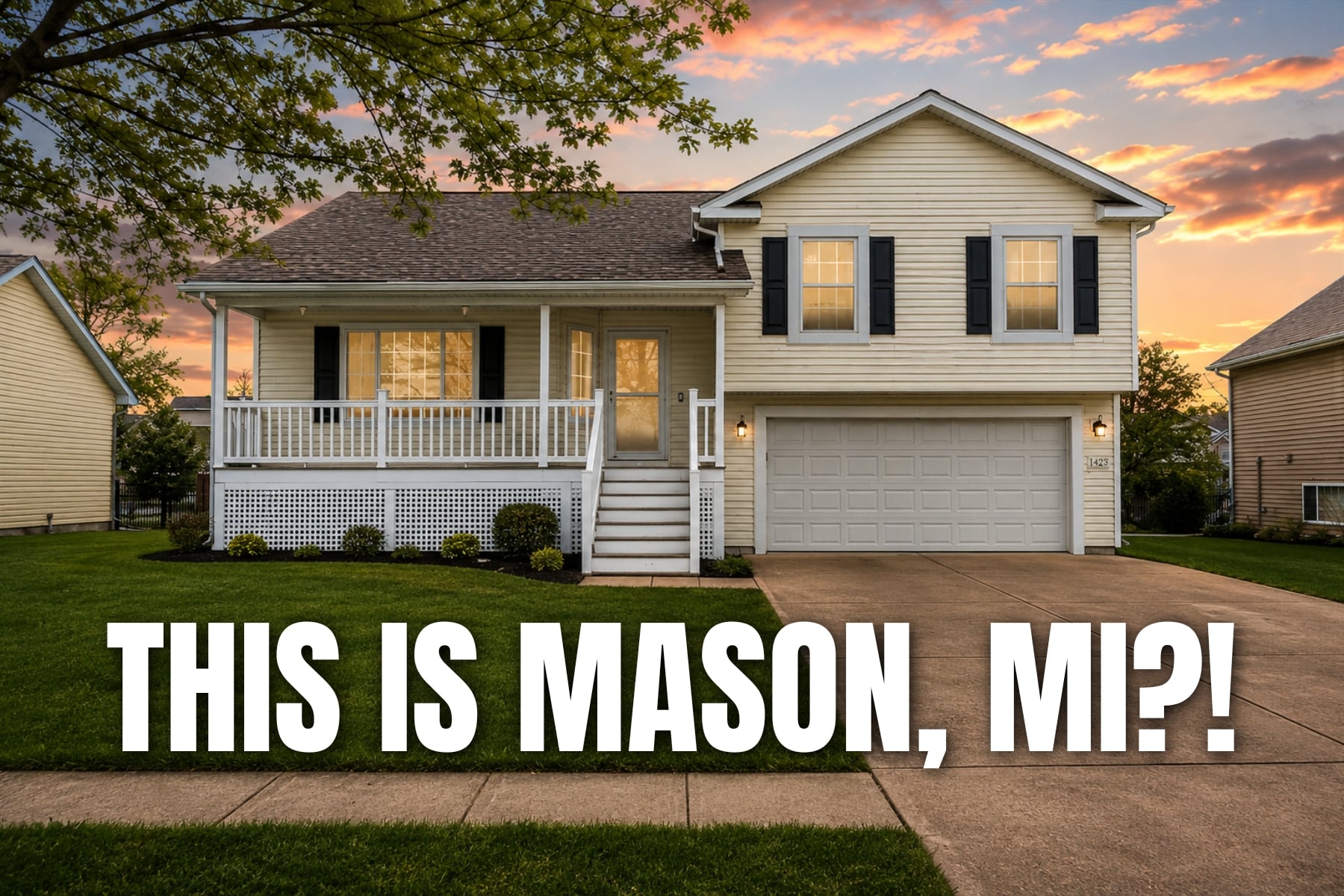
A Neighborhood Lifestyle Just Minutes From Downtown Mason …
Discover 422 Coventry Lane in Mason, Michigan,…
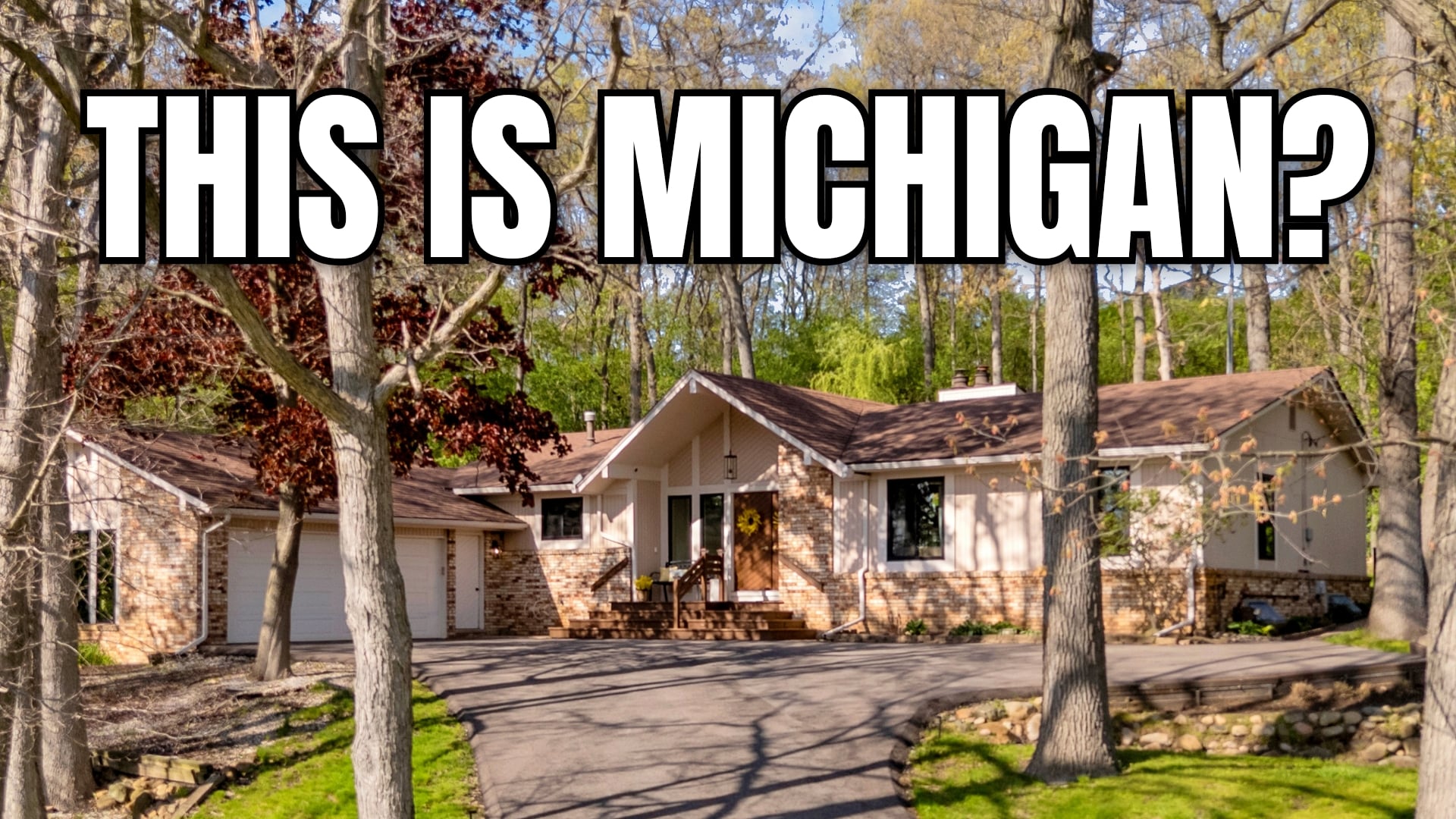
Inside One of Clarkston Michigan’s Most Relaxing Homes …
Tour 6692 Balmoral Terrace, a fully remodeled…